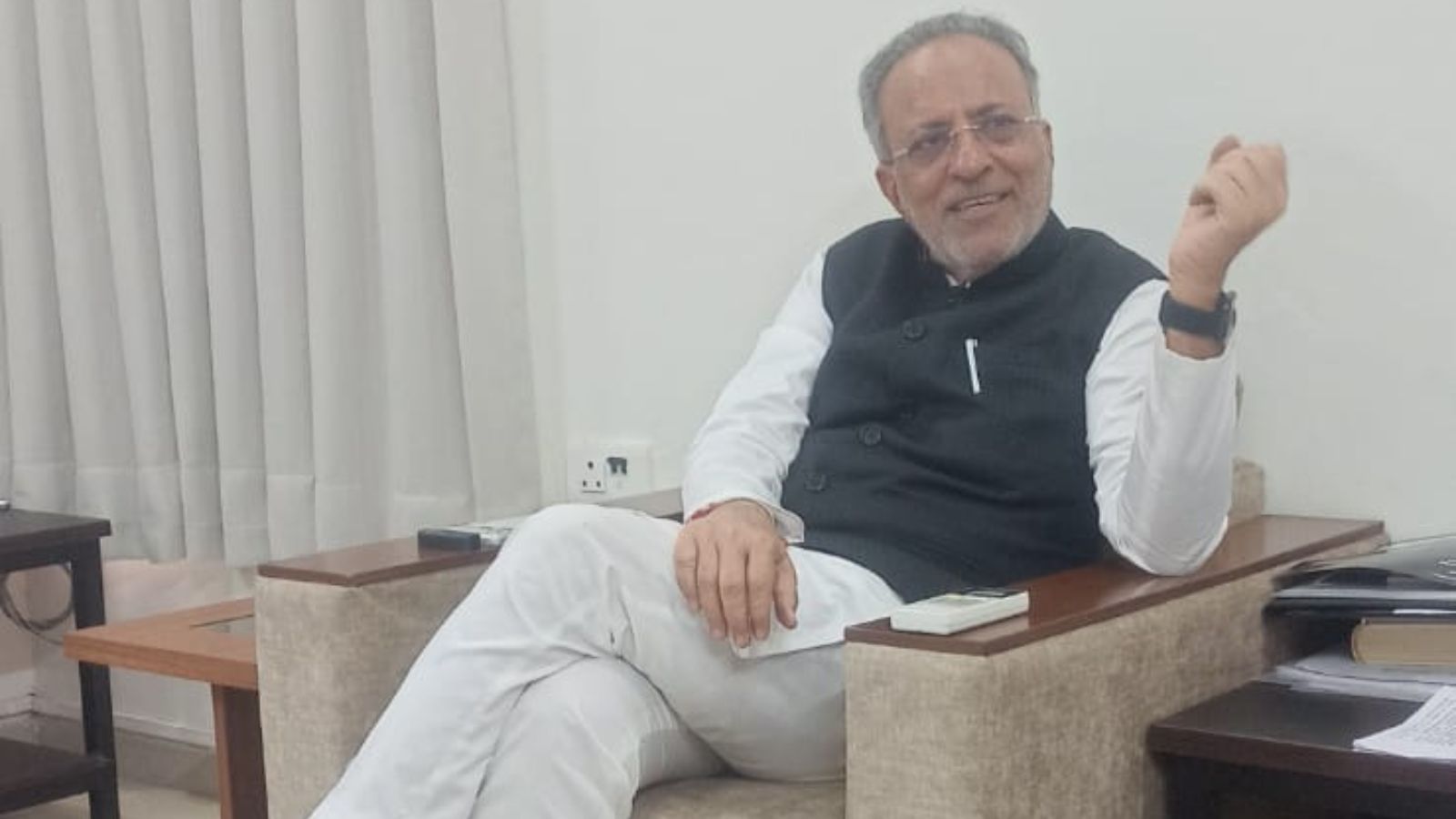
Renowned geo-scientist C.P. Rajendran breaks down the catalysts behind the devastating Nepal floods and the escalating instability of the Himalayan region. He emphasizes the lethal combination of climate change and unplanned infrastructure development.
- Accelerated glacier melt due to climate change is creating unstable glacial lakes.
- Unplanned infrastructure projects are destabilizing the fragile mountain slopes.
- Regional cooperation is essential for early-warning systems and water security.
The Himalayan range, often revered as the 'Third Pole,' is currently facing a systemic crisis. In a detailed analysis, geo-scientist C.P. Rajendran explains that the recurring disasters, including the catastrophic floods in Nepal, are not isolated incidents but symptoms of a deeper ecological collapse.
According to Rajendran, the primary driver is the rapid acceleration of glacier melt. As global temperatures rise, the ice caps are receding at an alarming rate, leading to the formation of unstable glacial lakes. When these lakes breach, they trigger Glacial Lake Outburst Floods (GLOFs), which devastate downstream communities with little to no warning.
Why This Matters
BozokMedia analysis shows that the intersection of fragile geology and aggressive infrastructure expansion is a recipe for disaster. When massive dams and highways are constructed in seismically active zones without proper environmental impact assessments, the risk of landslides and flash floods increases exponentially. This is not just a local issue but a regional security threat affecting water supply for billions.
"Tampering with the delicate geological fabric of the Himalayas is a gamble with nature where the house always wins."
Beyond climate change, the human footprint is exacerbating the crisis. Rajendran points out that the construction of mega-projects—such as wide highways and large hydroelectric dams—often ignores the inherent instability of the terrain. The use of heavy explosives for blasting and the removal of natural vegetation have left the slopes prone to massive landslides.
The geo-scientist further emphasizes that the lack of a robust, integrated Early Warning System (EWS) is costing lives. While some progress has been made, the current systems are fragmented and often fail to reach the last mile in time to prevent casualties during flash floods.
| Driver | Immediate Impact | Required Intervention |
|---|---|---|
| Climate Change | Glacial Retreat/GLOFs | Global Carbon Reduction |
| Infrastructure Build-up | Slope Instability | Eco-centric Engineering |
| Poor Coordination | Delayed Warnings | Cross-border Data Sharing |
Frequently Asked Questions
Q1: What are GLOFs and why are they increasing?
A: Glacial Lake Outburst Floods (GLOFs) occur when the natural dams of glacial lakes fail. They are increasing because warmer temperatures create more lakes and weaken their boundaries.
Q2: How can regional cooperation help in disaster mitigation?
A: Since rivers flow across borders, sharing real-time hydrological data between India, Nepal, Bhutan, and China can provide crucial minutes or hours of warning for downstream populations.