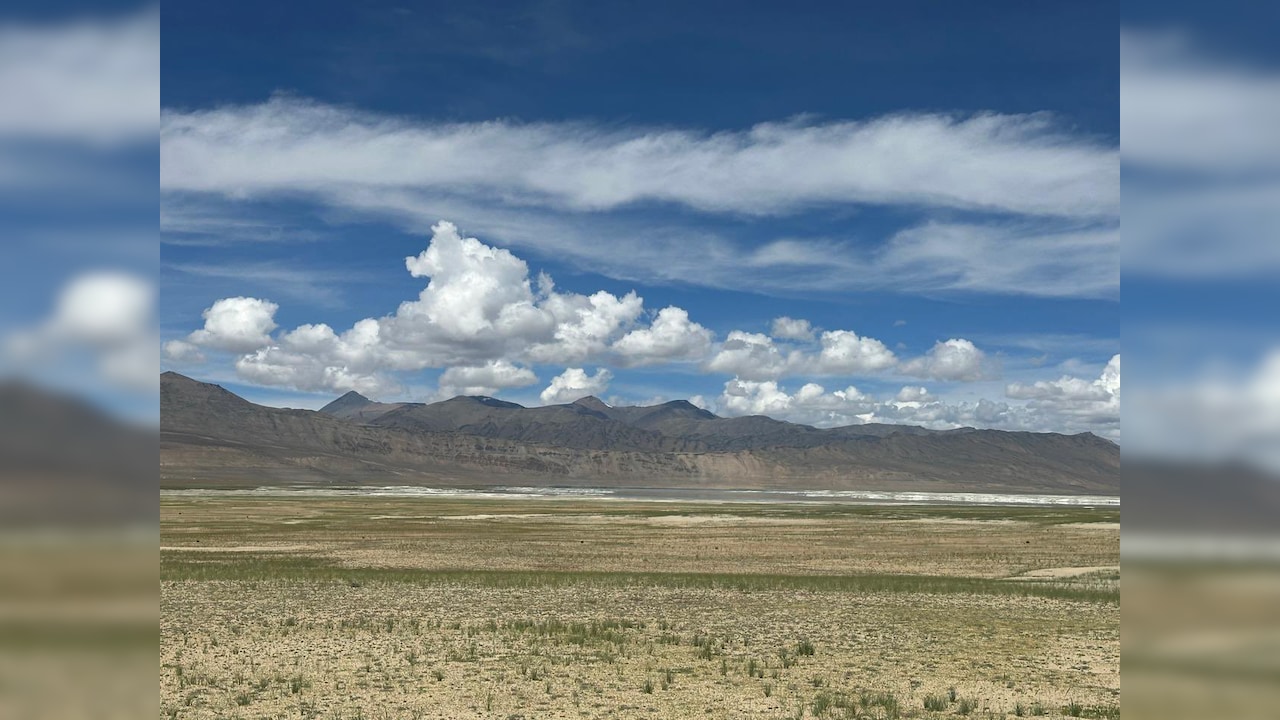
Following a devastating 70% decline in the size of Tso Kar lake over the last decade, the Ladakh administration is planning to divert water from the Rupsho Kharnak glacier using gravity-based methods.
- Tso Kar lake has shrunk by an alarming 70% in just ten years.
- The administration aims to tap the Rupsho Kharnak glacier stream.
- Water diversion will utilize gravity and natural depressions at 18,045 feet.
In a critical move to combat environmental degradation, the Ladakh administration has unveiled a strategic plan to restore Tso Kar, a vital lake that has faced a catastrophic 70% reduction in its water volume over the past decade. This depletion poses a severe threat to the delicate high-altitude ecosystem and the livelihoods dependent on it.
To counter this crisis, authorities are looking toward an untapped high-altitude resource: the Rupsho Kharnak glacier stream. Situated at an extreme altitude of approximately 18,045 feet, this glacier offers a potential lifeline to the shrinking lake bed.
The Engineering Strategy
The proposed intervention is unique in its reliance on natural forces. Instead of energy-intensive pumping systems, the plan involves diverting the glacier stream toward Tso Kar by leveraging gravity. By utilizing a series of natural depressions and topographical slopes, the water will be guided across the rugged terrain to replenish the lake's volume.
Why This Matters
BozokMedia analysis shows that the shrinking of high-altitude lakes in the Himalayan region is a precursor to larger ecological shifts. The loss of Tso Kar is not merely a local issue; it signals a broader pattern of glacial retreat that could destabilize water security across the entire Ladakh region, impacting both nomadic herders and the burgeoning tourism sector.
The rapid disappearance of Himalayan water bodies is a stark indicator of the accelerating climate crisis in high-altitude zones.
Historical Background: Historically, the lakes of Ladakh have served as crucial carbon sinks and habitats for migratory birds. However, the accelerating rate of global warming has led to unprecedented glacial recession, making traditional water recharge cycles insufficient to maintain these vital bodies of water.
Frequently Asked Questions
1. What is the primary cause of the lake's shrinkage?
The primary drivers are climate change and the rapid melting/retreat of surrounding glaciers.
2. How will the water reach the lake?
The water will be diverted using natural gravity and the terrain's natural depressions.

