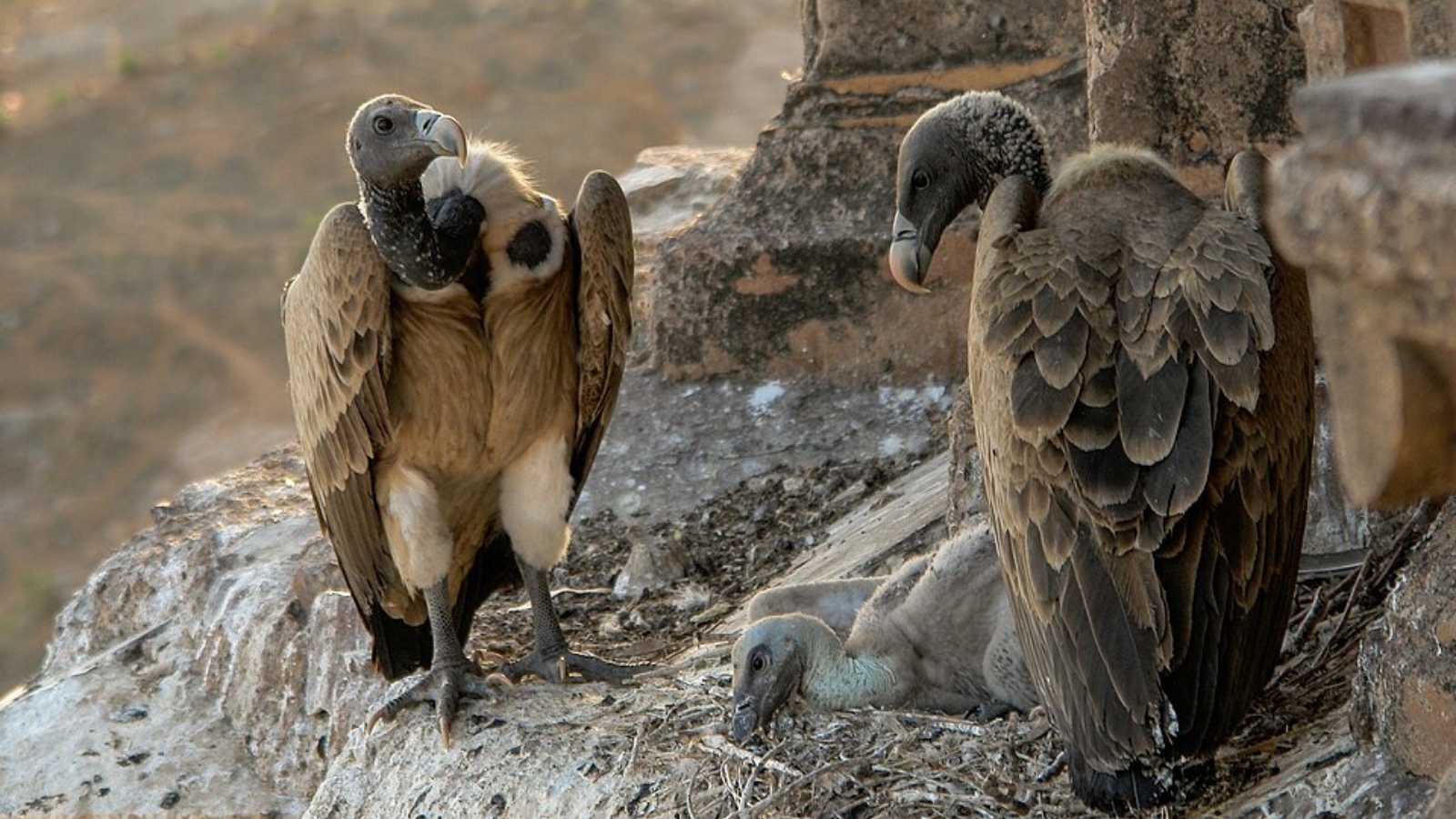
After a catastrophic near-extinction, vultures are making a stunning comeback in Madhya Pradesh's Panna landscape, driven by conservation efforts and habitat protection.
- Vulture populations in India faced a devastating 99% decline due to veterinary drugs.
- Panna Tiger Reserve has emerged as a vital stronghold for seven vulture species.
- The ban on Diclofenac and dedicated breeding centers have been pivotal in this recovery.
In the rugged sandstone landscapes of the Panna Tiger Reserve, a silent recovery is unfolding in the skies. Once on the brink of total disappearance, vultures are once again becoming a familiar sight over the Ken River valley. This resurgence marks a significant victory for conservationists following a catastrophic 99% population crash that decimated the species across India between the 1990s and mid-2000s.
The Ecological Clean-up Crew Returns
Vultures are far more than just scavengers; they are essential ecological services providers. Wildlife conservationist Sushil Chikane emphasizes that their return is a major public health milestone. Unlike other scavengers, vultures possess highly acidic digestive systems capable of neutralizing deadly pathogens such as anthrax, botulism, and cholera. By rapidly consuming carcasses, they prevent these diseases from contaminating soil and water tables.
Why This Matters
BozokMedia analysis shows that the health of a forest is intrinsically linked to its scavengers. In Panna, a complex food web exists where apex predators like tigers leave behind remains that sustain the vulture population, creating a balanced and self-cleaning ecosystem.
The resurgence in vulture populations represents a critical milestone in wildlife conservation and public health, reversing one of the fastest avian collapses in history.
The geography of Panna plays a decisive role in this comeback. The Madhya Pradesh Tourism Board notes that the deep sandstone gorges and vertical cliffs carved by the Ken River provide ideal nesting and roosting sites, particularly for cliff-nesting species. This area, often referred to as 'Vulture Point,' has become a sanctuary for seven of India’s nine recorded vulture species.
Historical Context: The Diclofenac Crisis
The near-extinction of Indian vultures was primarily driven by the veterinary drug Diclofenac, an anti-inflammatory used in livestock. When vultures fed on carcasses of animals treated with this drug, they suffered from acute kidney failure. The subsequent ban on the drug in 2006, combined with the establishment of a dedicated breeding center at Kerwa near Bhopal in 2014, laid the groundwork for this recovery.
| Metric | Crisis Period (1990-2005) | Current Status (2025) |
|---|---|---|
| Population Trend | 99% Decline | Steady Increase (12,981 birds) |
| Primary Driver | Veterinary Diclofenac Use | Drug Bans & Active Conservation |
| Ecological Role | Broken Food Chain | Restored Natural Sanitation |
Frequently Asked Questions (FAQs)
1. What caused the massive decline in vulture numbers?
The primary cause was the use of the drug Diclofenac in livestock, which was toxic to vultures when they scavenged treated carcasses.
2. How does Panna help in vulture conservation?
Panna provides unique geological features like deep gorges and cliffs that serve as perfect, safe nesting habitats for multiple species.


