India aims to reach 100 GW of nuclear capacity by 2047 to meet soaring electricity demand from AI, semiconductor and data‑centre industries. The plan hinges on deploying both large reactors and fast‑track Small Modular Reactors (SMRs).
Key Takeaways
- India targets 100 GW of nuclear power by 2047.
- AI, chips and data‑centres will drive a massive rise in electricity demand.
- The government is pursuing large reactors alongside rapid SMR deployment.
Prime Minister Narendra Modi told the nation on Independence Day that emerging technologies—artificial intelligence, semiconductors and data‑centres—will dramatically increase power consumption. He reaffirmed the goal of commissioning five new reactors this decade and scaling nuclear capacity to 100 GW by 2047.
Current Nuclear Landscape
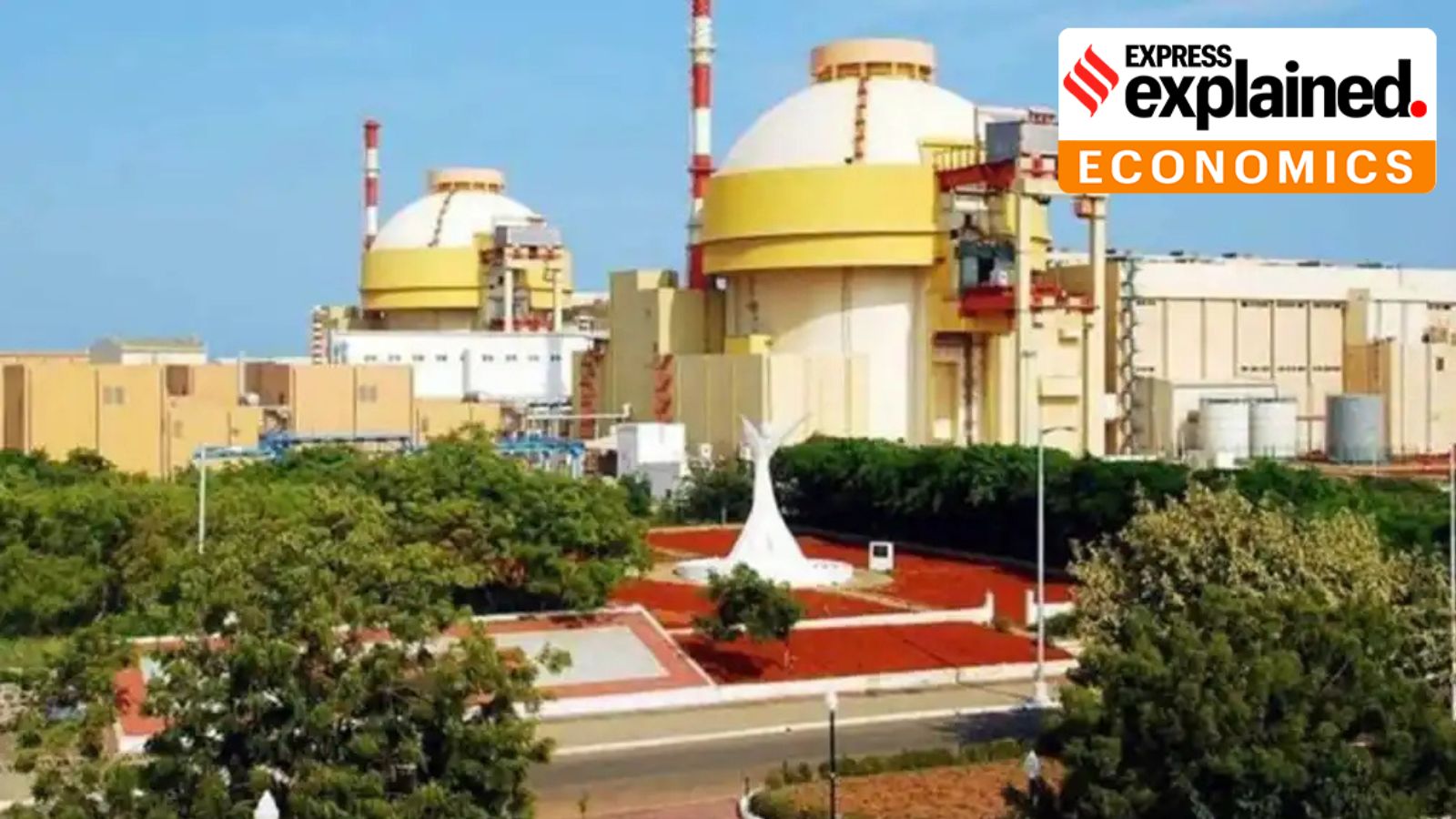
India presently operates 25 nuclear reactors (8.7 GWe) and has 10 reactors under construction (~8 GWe). An additional 10 units, worth roughly 6.6 GWe, are in the pre‑project stage. While the bulk of expansion relies on traditional large‑capacity reactors, the government is simultaneously accelerating Small Modular Reactor (SMR) projects.
SMR Push – A Faster Path
The Bhabha Atomic Research Centre (BARC) is developing three SMR designs: the 200 MWe Bharat SMR‑200, a 55 MWe SMR, and a 5 MWt high‑temperature gas‑cooled reactor for hydrogen production. A dedicated Nuclear Energy Mission earmarks ₹20,000 crore for SMR research, design and deployment, and foreign partners are being courted primarily for SMR collaboration due to the high cost of large Light‑Water Reactors (LWRs).
| Parameter | Large Reactors (LWR) | Small Modular Reactors (SMR) |
|---|---|---|
| Efficiency | High, but capital‑intensive | Moderate, faster rollout |
| Construction Time | 10‑12 years | 3‑5 years |
| Investment Cost (per GW) | ₹12,000 crore | ₹6,000 crore |
| Primary Use | Baseload power | Baseload + grid flexibility |
Why This Matters
BozokMedia analysis shows that achieving the 100 GW target will not only secure India’s energy independence but also position the country as a global hub for AI‑driven manufacturing and data‑intensive services.
"Rapid nuclear expansion is essential for India to power its AI and semiconductor ambitions," says energy analyst Dr. Priya Mehta.
Frequently Asked Questions
Q1: Are SMRs truly more cost‑effective than large reactors?
A: Generally yes—shorter construction periods and lower upfront capital make SMRs a more economical option for incremental capacity.
Q2: What role will the private sector play in reaching the 100 GW goal?
A: The SHANTI Act opens licensing, safety oversight and liability frameworks to private investors, accelerating capital inflow and technology transfer.