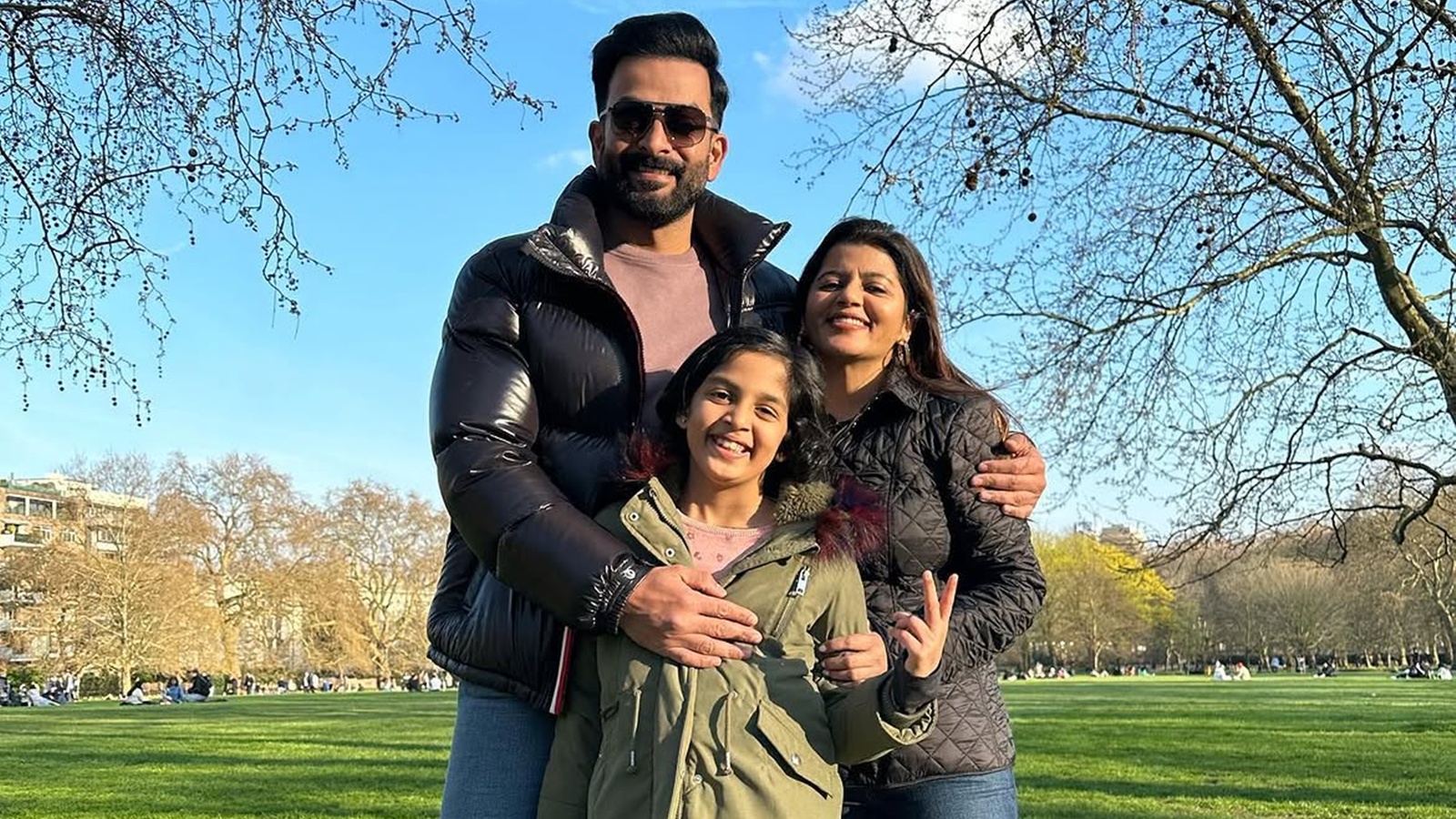
Malayalam actor Prithviraj Sukumaran shares how becoming a father has doubled his responsibilities, especially when it comes to teaching his daughter about safety. He stresses that these conversations must include both girls and boys and that parents should respond with empathy, not blame.
- Safety conversations are essential for both girls and boys.
- Topics should evolve with a child’s age and maturity.
- Parents must respond supportively to disclosures to encourage openness.
Prithviraj Sukumaran spoke about his newfound responsibilities while promoting his film Daayra, which centers on a young girl’s disappearance. He admitted that discussing what is safe and unsafe with his 11‑year‑old daughter has become an uncomfortable yet vital part of fatherhood.
Why This Matters
BozokMedia analysis shows that in India, 70% of parents still treat safety education as a set of rules rather than an ongoing dialogue. Shifting to a relational approach not only raises awareness of risk but also promotes gender equity in safety conversations.
"Consistent safety dialogue helps children understand and protect their own boundaries," says counseling psychologist Athul Raj.
Practical Guide to Safety Education
Raj recommends beginning with bodily autonomy and personal boundaries for younger children, then expanding to consent, peer pressure, relationships, coercion, and online safety as they grow. He warns that a punitive response can hinder future disclosure and that listening, reassuring, and creating a safe space are essential.
Gender‑Inclusive Approach
Raj notes that safety advice often focuses on where girls go and what they wear, which can shift responsibility onto the child. He stresses that the real responsibility lies with the person who violates boundaries and that boys also need lessons on consent, empathy, and respecting refusal.
Frequently Asked Questions
Q1: What key safety topics should parents cover?
A1: Body autonomy, boundaries, saying no, consent, online safety, and trusted adult contacts.
Q2: How should parents respond if a child feels uncomfortable?
A2: Stay calm, listen without questioning, reassure them of safety, and take appropriate action if needed.
Editor Comment: Prithviraj Sukumaran’s candid remarks remind us that real safety education is about conversation, not just rules. By teaching children to recognize and respect boundaries, we lay the foundation for a safer, more empowered society.