UPI has made digital payments seamless across India, but the government is now questioning who should bear the cost of this essential infrastructure. Finance Minister Nirmala Sitharaman assures consumers won’t be charged, yet large merchants may soon face an MDR levy.
Key Takeaways
- UPI’s fee‑free history for consumers
- Government has not finalized an MDR framework
- Potential fees could target large merchants
Historical Background
Unified Payments Interface (UPI) was launched by NPCI in April 2016 with just 21 banks on board and a modest 373 transactions in its inaugural month.
By May 2026, UPI processed 23.20 billion transactions worth roughly ₹29.90 lakh crore, with 720 banks connected. It now accounts for about 85 % of India’s digital‑payment volume.
The Backbone of Your UPI Payment
PhonePe, Google Pay, and Paytm are not UPI; they are merely apps that give users access to the UPI network. This network enables real‑time money movement across banks and payment apps.
Impact on Small Merchants
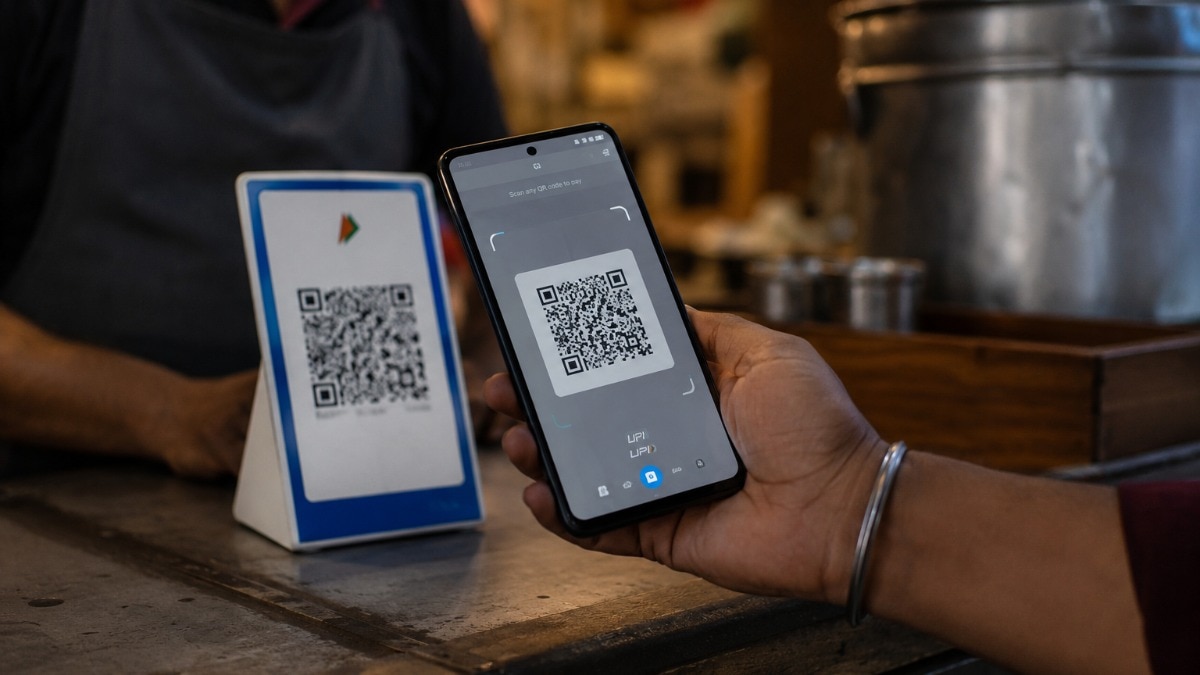
QR codes eliminated the need for costly card terminals for micro‑transactions, allowing a roadside tea seller to accept a ₹20 payment instantly. A 2026 Department of Financial Services survey found 94 % of small merchants accept UPI, with 57 % reporting higher sales due to digital payments.
Why This Matters
BozokMedia analysis shows that imposing an MDR on large merchants could eventually shift the cost burden back to consumers, threatening the inclusivity that UPI has championed.
"Any MDR policy must be calibrated carefully; otherwise it could undermine India’s financial inclusion goals." – Financial analyst Dr. Anita Sharma
Frequently Asked Questions
Q1: Will I be charged for my personal UPI transactions?
A: No consumer fees are currently planned, and the policy is unlikely to change immediately.
Q2: What MDR could be applied to large merchants?
A: Specific rates have not been announced yet; they will depend on forthcoming regulatory decisions.