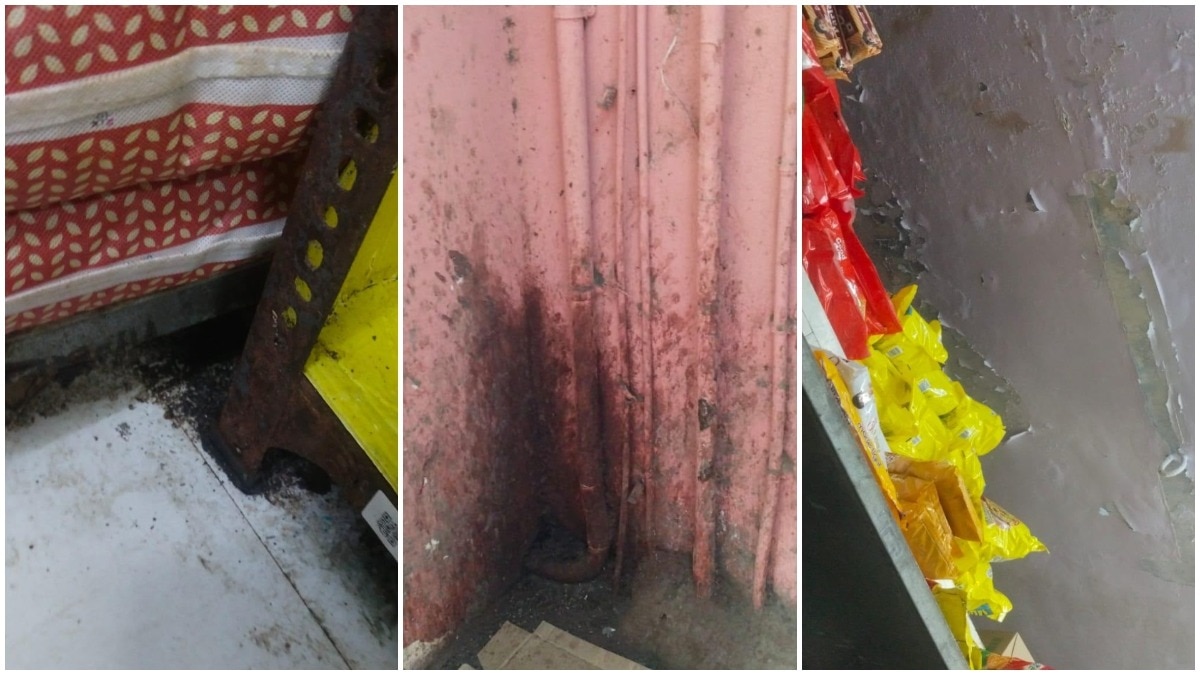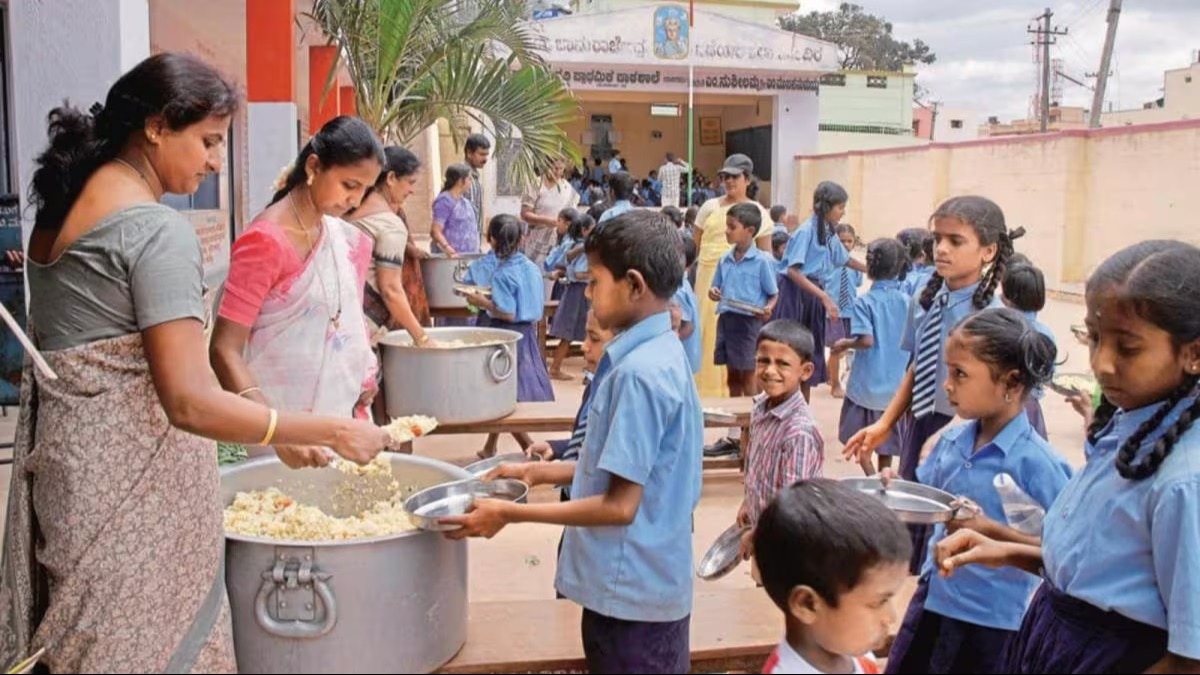
India's Food Safety Authority (FSSAI) has drafted regulations to curb the sale of high-fat, sugar, and salt foods in school canteens, aiming to improve child nutrition and curb obesity.
Key Takeaways
- FSSAI proposes limits on high‑fat, sugar and salt snacks in schools.
- The draft bans sale of these items in school canteens and restricts related advertising.
- Goal: reduce childhood obesity and improve overall nutrition.
Key Provisions of the Draft
The Food Safety and Standards Authority of India (FSSAI) has released a draft policy that would prohibit the sale of foods high in fat, sugar, and salt within school premises. The move targets items such as French fries, pastries, sugary drinks, and salty snacks, aiming to protect children’s health and curb rising obesity rates.
Scope and Implementation
The proposal outlines that both government and private schools must comply, with state governments responsible for enforcement. Additionally, any advertising for the restricted products within school boundaries will be barred.
Why This Matters
BozokMedia analysis shows that restricting unhealthy snacks in schools can lead to a measurable decline in childhood obesity rates and improve academic performance by ensuring better nutrition.
"Balanced diets are essential for both physical and cognitive development in children," says Dr. Anita Patel, nutrition expert.
Frequently Asked Questions
Q1: Will the proposal apply to all schools across India?
A: The draft aims for nationwide implementation, but final adoption will depend on individual state approvals.
Q2: How will this affect existing school food vendors?
A: Vendors are encouraged to shift towards healthier alternatives, which could sustain their business while aligning with public health goals.