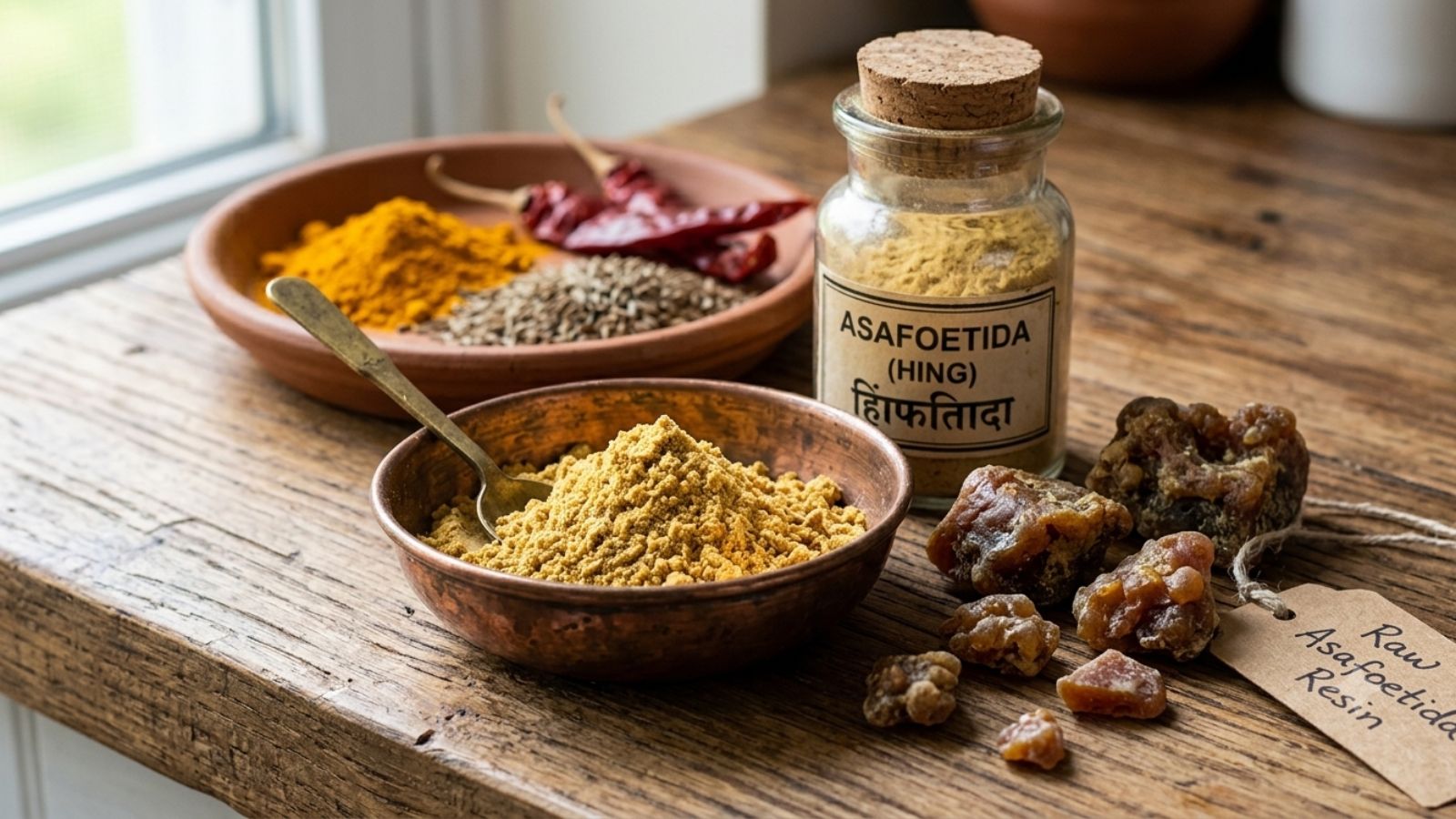
TasteAtlas’s recent inclusion of hing (asafoetida) in its “World’s Stinkiest Foods” list ignited a heated debate online, especially among Indian netizens who defend the spice’s culinary value. Experts explain the chemistry behind hing’s pungent aroma and how cooking transforms it into a savory umami boost, while cultural familiarity shapes perception.
Key Takeaways
- TasteAtlas lists hing among the world’s stinkiest foods.
- Indian users argue the spice is misunderstood, not foul.
- Scientific insight shows cooking mellows hing’s sulfur compounds, enhancing flavor.
Food guide TasteAtlas recently posted on Instagram that hing, also known as asafoetida, ranks among “The World’s Stinkiest Foods.” The caption linked the strong smells of many traditional foods to historic survival techniques, prompting a flood of comments from Indian social‑media users defending the spice.
What Gives Hing Its Powerful Aroma?
Fitness dietician and nutritionist Ashlesha Joshi explains that hing’s raw form contains sulfur‑rich volatile compounds similar to those in garlic and onions. When these compounds are heated in oil or ghee, they undergo chemical changes that soften the odor and release a deep, umami‑rich flavor that enhances dals, curries, and vegetable dishes.
"Hing’s intense smell originates from sulfur‑containing volatiles, but frying it transforms those compounds into a mellow, savory profile," the expert notes.
Biology Meets Culture
Joshi adds that genetics dictate individual sensitivity to specific aroma molecules, which is why some people find hing pleasant while others deem it overpowering. Repeated exposure during childhood creates a comforting association, turning what might be perceived as “stinky” into a beloved flavor cornerstone in Indian cuisine.
Why This Matters
BozokMedia analysis shows that global rankings like TasteAtlas’s can sway culinary tourism and influence how traditional spices are marketed abroad, potentially impacting export demand for Indian producers.
Health Benefits and Precautions
While hing is used in minute quantities and contributes little nutritional value, its bioactive compounds have shown antioxidant, anti‑inflammatory, and antimicrobial properties in laboratory studies. Most evidence supports its traditional role in easing gas, bloating, and digestive discomfort. However, individuals on blood‑thinners, with bleeding disorders, or who are pregnant should consult a healthcare professional before using large amounts.
Frequently Asked Questions
Why does hing smell so strong? The raw spice’s sulfur‑based volatiles emit a sharp odor, but heat converts them into milder flavor compounds.
Is it safe to use hing in large quantities? Culinary use in small pinches is safe; excessive consumption may interact with anticoagulant medication or be unsuitable during pregnancy.

