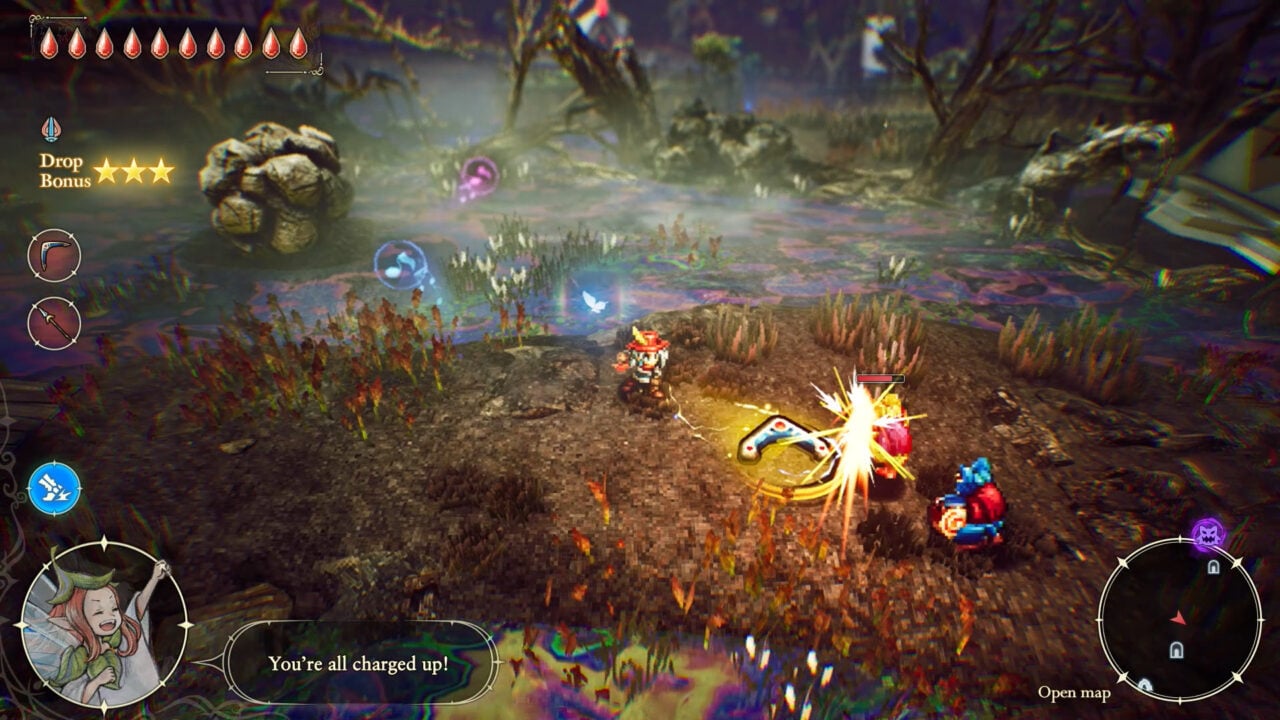
After months of player backlash, Square Enix has introduced a toggle to completely turn off the "Annoying Fairy" in Adventures of Elliot. The move is hailed as a major step toward personalized gameplay experiences.
मुख्य बिंदु (Key Takeaways)
- Square Enix adds a toggle to disable the Annoying Fairy.
- The update directly addresses long‑standing community complaints.
- Sets a precedent for player‑centric customization in future titles.
Square Enix has rolled out a long‑awaited feature for its mobile title Adventures of Elliot, allowing players to permanently turn off the infamous “Annoying Fairy.” With a simple switch in the settings menu, gamers can now prevent the character’s intrusive pop‑ups and sounds, streamlining the overall experience.
Background and Rationale
Since its launch in 2021, Adventures of Elliot has been praised for its vibrant art style and engaging puzzles. However, the “Annoying Fairy” quickly became a lightning rod for criticism. Players across Reddit, Twitter, and dedicated forums complained about the character’s relentless appearances, high‑volume audio cues, and the impact on battery life for mobile devices. The backlash grew into a coordinated demand for an opt‑out mechanism.
Community Reaction
Square Enix responded publicly, emphasizing its commitment to “player‑first design” and the desire to “empower users with full control over their gameplay.” The announcement sparked a wave of relief and applause on social media, with many hoping the change would become a template for other titles in the publisher’s portfolio.
Technical Implementation
The new toggle resides under Settings → Gameplay → Annoying Fairy. Activating the option disables the character across all game modes without affecting saved progress or achievements. Developers noted that the change required minimal code alterations, ensuring a smooth rollout across both iOS and Android platforms.
Industry Implications
By granting players the ability to eliminate a single, widely‑criticized game element, Square Enix may be signaling a broader shift toward granular customization in mobile gaming. If successful, competitors could follow suit, leading to a more flexible, user‑driven ecosystem that enhances retention and satisfaction.