Former Rockstar producer John Ricchio reveals why developing for console constraints first is a strategic move for massive titles like GTA 6. Learn the technical logic behind the PC delay.
Key Takeaways
- GTA 6 is expected to launch on consoles first, leaving PC players waiting.
- Former producer John Ricchio explains that designing for hardware constraints is more efficient.
- Scaling up from console to PC is easier than 'shrinking' a high-end PC build for consoles.
- Porting decisions are driven by both technical feasibility and business logic.
The anticipation for Grand Theft Auto VI (GTA 6) has reached a fever pitch, but for PC enthusiasts, the outlook remains cautious. While the gaming community awaits a definitive release window, a significant question persists: Why does Rockstar Games consistently opt for a console-first launch strategy? Former Rockstar producer John Ricchio has provided a deep dive into the technical philosophy that drives this decision.
The Logic of Constraints
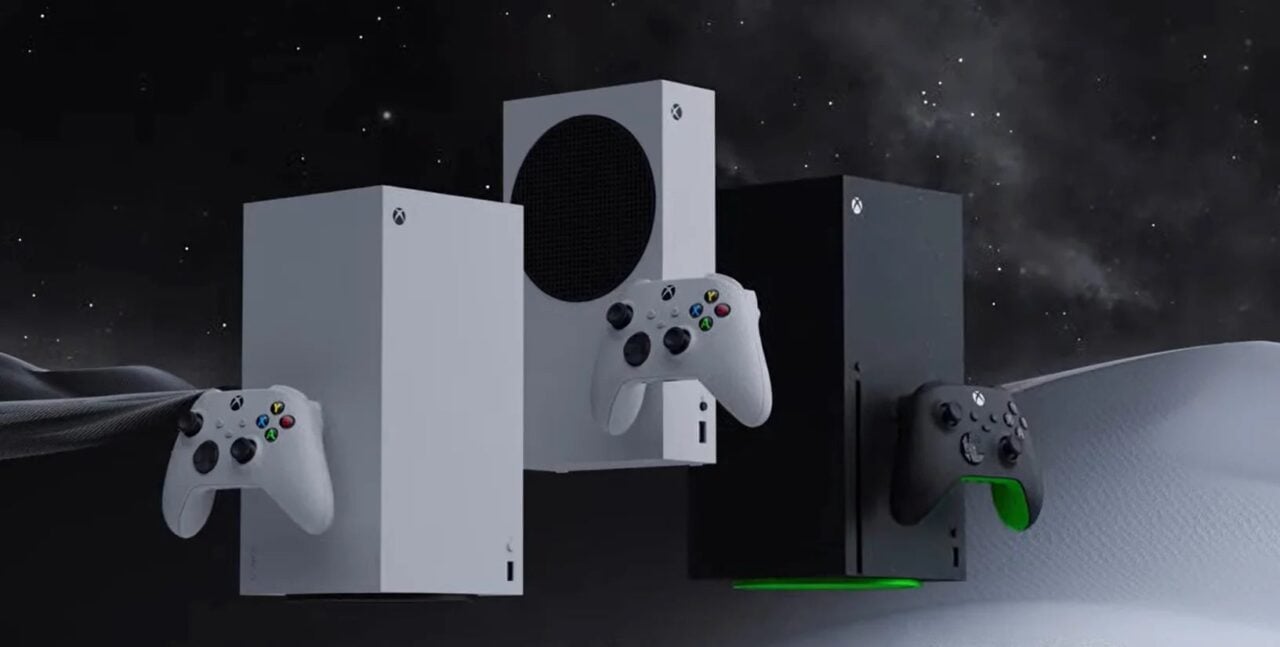
In a recent discussion with YouTuber Kiwi Talkz, Ricchio explained that the core of the issue lies in hardware limitations. Developing a massive, cutting-edge open-world game requires navigating strict technical boundaries. According to Ricchio, it is far more efficient to build a game around the stricter constraints of consoles (like the PlayStation 5 and Xbox Series X) and then expand it for PC, rather than doing the reverse.
"It's always better to start with the constraints and then extend because shrinking is a lot harder than extending," Ricchio noted. In technical terms, if a game is built for the high-end capabilities of a PC, developers later face the immense headache of stripping away features, lowering textures, or optimizing complex physics to make it run on console hardware. By mastering the console environment first, Rockstar ensures a stable foundation that can be 'scaled up' to leverage the immense power of modern PCs.
Business Strategy and Historical Context
Ricchio, who spent a decade at Rockstar before moving on to projects like Amazon's Lumberyard and Riot Games' 2XKO, also touched upon the business side of porting. He mentioned that even with titles like Red Dead Redemption, the decision to port to PC wasn't just about technical capability, but about whether the effort was "worth spending time" compared to other massive projects like GTA 5.
While the technological gap between consoles and PCs has narrowed significantly in recent years, the labor involved in a high-quality port remains substantial. For a studio of Rockstar's scale, the priority is to deliver a polished, bug-free masterpiece on the primary launch platforms. For PC players, this means the wait may be long, but the end result—a highly optimized, feature-rich version—is the ultimate goal of this development methodology.