Riot Games' reveal of League of Legends Classic has sparked outrage as players protest the decision to charge for original champion skins. A clash between nostalgia and monetization.
Key Takeaways
- League of Legends Classic is set for a global launch on July 29th.
- Players must pay approximately $5 to unlock the original 'default' looks of most champions.
- The community has criticized Riot Games, comparing its greed to lack of such charges in WoW Classic.
- Technical discrepancies in animations and voice lines are affecting the game's authenticity.
The gaming community is currently embroiled in a heated debate following the official reveal of League of Legends Classic by Riot Games. Designed as a nostalgic trip back to the early seasons of the iconic MOBA, the mode promises to bring back the classic Summoner's Rift map and vintage gameplay mechanics. However, instead of pure celebration, the reveal has been met with significant backlash regarding its monetization strategy.
The Skin Controversy: Charging for Defaults
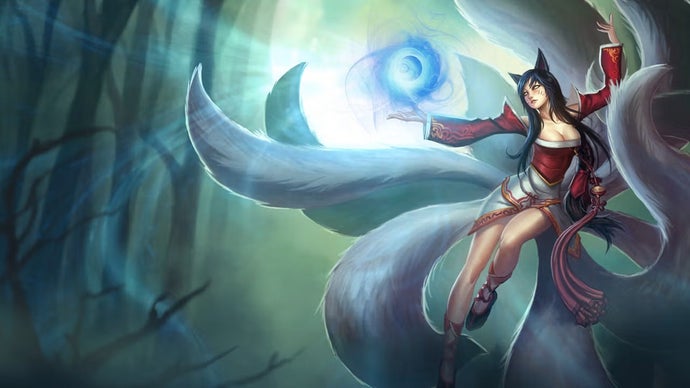
The primary bone of contention lies in how Riot Games is handling champion appearances. In the original era of League, the 'classic' look was simply the default model. In this new mode, however, players are required to purchase tokens to access these original aesthetics. While a limited number of skins are available through the 'Classic Path' battle pass, the vast majority of the 60 launch champions require a 500 Riot Point payment (roughly $5) to look like themselves. This has led many on platforms like Reddit to label the move as 'wildly greedy.'
Authenticity vs. Modernity
Beyond the financial aspect, the 'faithfulness' of the experience is being called into question. Early testers on the PBE (Public Beta Environment) have noted a jarring disconnect between the old and the new. While the map and certain items reflect the past, many champions still utilize modern voice lines and updated animations. For instance, players pointed out that Ryze's auto-attack animation is the contemporary version rather than the one from the classic era, creating an 'uncanny valley' effect that breaks immersion.
Long-term Implications
Despite the friction, indicators suggest that League of Legends Classic is intended to be a long-term staple rather than a temporary event. This permanence makes the current microtransaction model even more controversial. While recreating legacy assets from ancient files is a massive technical undertaking, the community is demanding a more respectful approach to the game's history. Whether Riot Games will pivot its strategy to appease its most loyal veterans remains to be seen as the July 29th launch approaches.