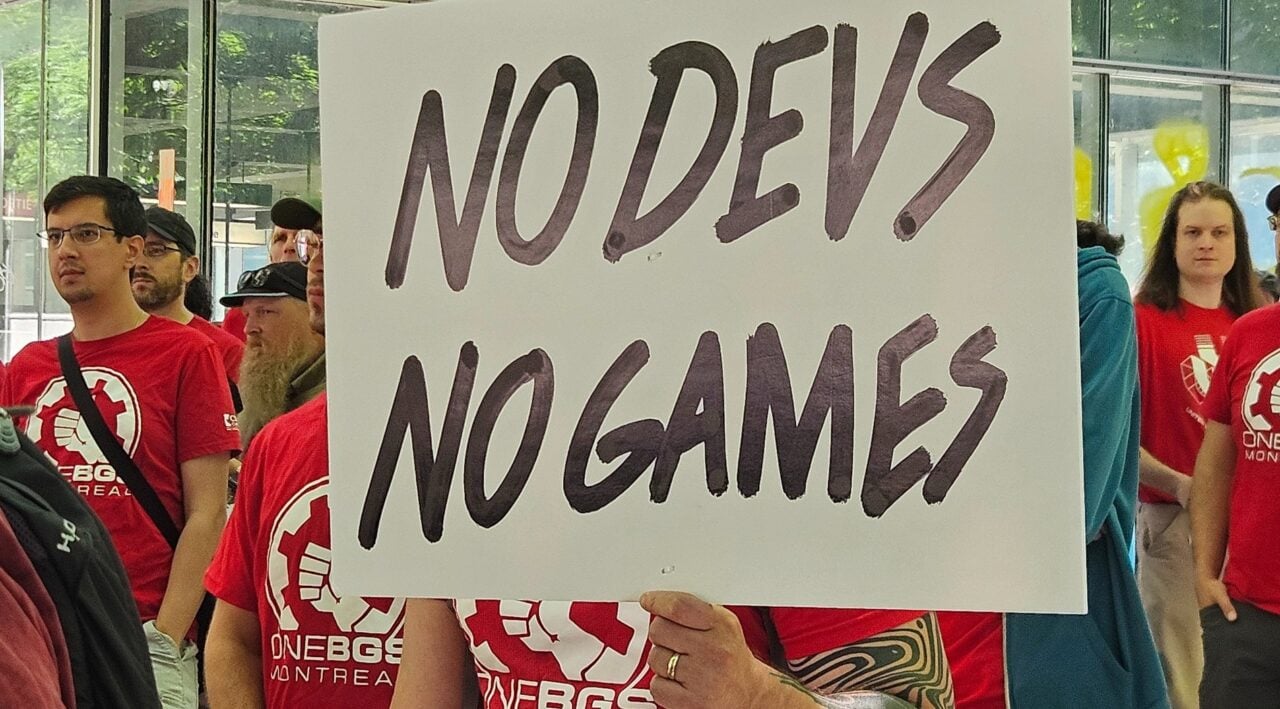
Worker demonstrations in Barcelona, Edinburgh, and Maryland have shattered the silence surrounding mass layoffs in the gaming sector. These protests mark a turning point, highlighting a growing global labor crisis within the industry.
Key Takeaways
- Global protests in Barcelona, Edinburgh, and Maryland highlight the growing unrest among game developers.
- The gaming industry faces a severe labor crisis following years of silent layoffs and 'crunch culture'.
- Developers are demanding better job security, transparency, and an end to abrupt cost-cutting measures.
The video game industry, long celebrated as a beacon of creativity and technological advancement, is currently grappling with a severe labor crisis that can no longer be concealed. In recent weeks, public demonstrations have erupted in diverse locations including Barcelona, Edinburgh, and Maryland, signaling a seismic shift in how the workforce responds to corporate instability. These coordinated actions are not merely isolated incidents; they represent a collective refusal to accept the status quo of quiet dismissals and unstable employment.
Breaking the Silence
For decades, the industry has operated on a model where passion was exploited to justify grueling work hours and little to no job security. However, the recent wave of layoffs, which has seen thousands of talented developers lose their jobs amidst record profits for some companies, has become the tipping point. The protests serve as a powerful message to executives that the era of silent cost-cutting is over. Workers are leveraging their collective voice to demand dignity, transparency, and fair treatment, bringing the internal crisis into the public eye.
Industry-Wide Implications
The visibility of these protests carries significant implications for the future of game development. As the labor movement gains momentum, studios may find it increasingly difficult to attract top talent without offering robust job security and better working conditions. Furthermore, the growing support for unions suggests a structural transformation is underway. Investors and consumers alike are beginning to scrutinize the labor practices of their favorite studios, realizing that the sustainability of the industry depends on the well-being of its creators. This moment marks a critical juncture where the human element of game creation is finally taking center stage over pure profit margins.