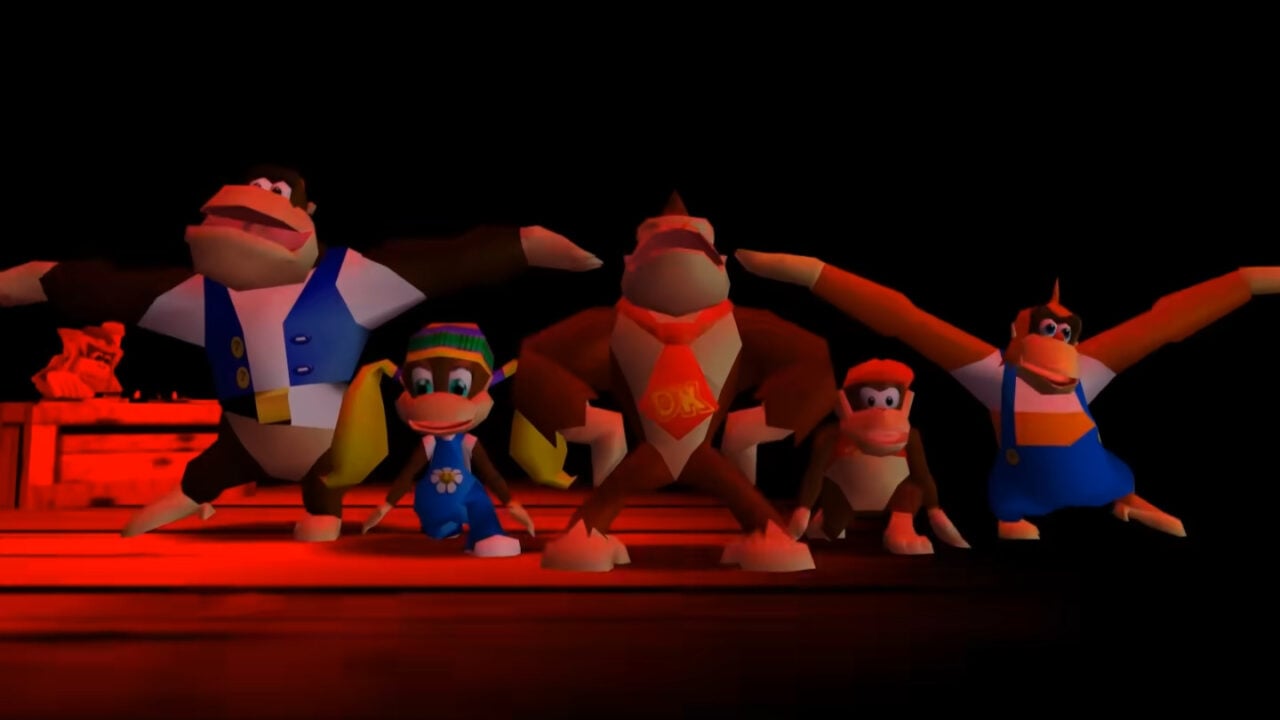
A deep dive into the messy, arrhythmic, and surprisingly human story behind the creation of the iconic Donkey Kong Rap.
Key Takeaways
- The original DK Rap recording was described as stuffy, silly, and arrhythmic.
- The creator admitted to a total lack of musical capability during the session.
- The track's charm lies in its imperfect, experimental roots.
In the pantheon of video game soundtracks, few tracks command as much nostalgic reverence as the DK Rap from the Donkey Kong series. However, behind the catchy beats and rhythmic flow lies a story of profound musical inadequacy and chaotic studio sessions that sounds more like a comedy of errors than a professional recording.
A Rhythmically Challenged Beginning
Recent revelations regarding the track's production reveal that the original recording was far from polished. It has been described as 'stuffy' and 'silly,' lacking the rhythmic cohesion one would expect from a hit song. During the era of its creation, game music was often a frontier of experimentation, where developers wore multiple hats, often stepping into musical roles without formal training.
The Admission of Inadequacy
Perhaps the most striking part of this history is the raw honesty of the creator involved. Reflecting on the session, the individual noted, 'It became clear to me that I had no musical capability at that point, at all.' This candid admission highlights the steep learning curve faced by early game developers who were essentially inventing the language of interactive entertainment as they went along.
Why Imperfection Matters
While the technical execution might have been flawed, it is precisely this 'unpolished' energy that contributed to the track's cult status. The DK Rap didn't need to follow the strict rules of music theory to capture the imagination of millions. It stands as a testament to the idea that passion and cultural impact can often transcend technical perfection. In the landscape of Nintendo history, this track remains a charming relic of a time when gaming was finding its voice—even if that voice was initially a bit out of tune.


