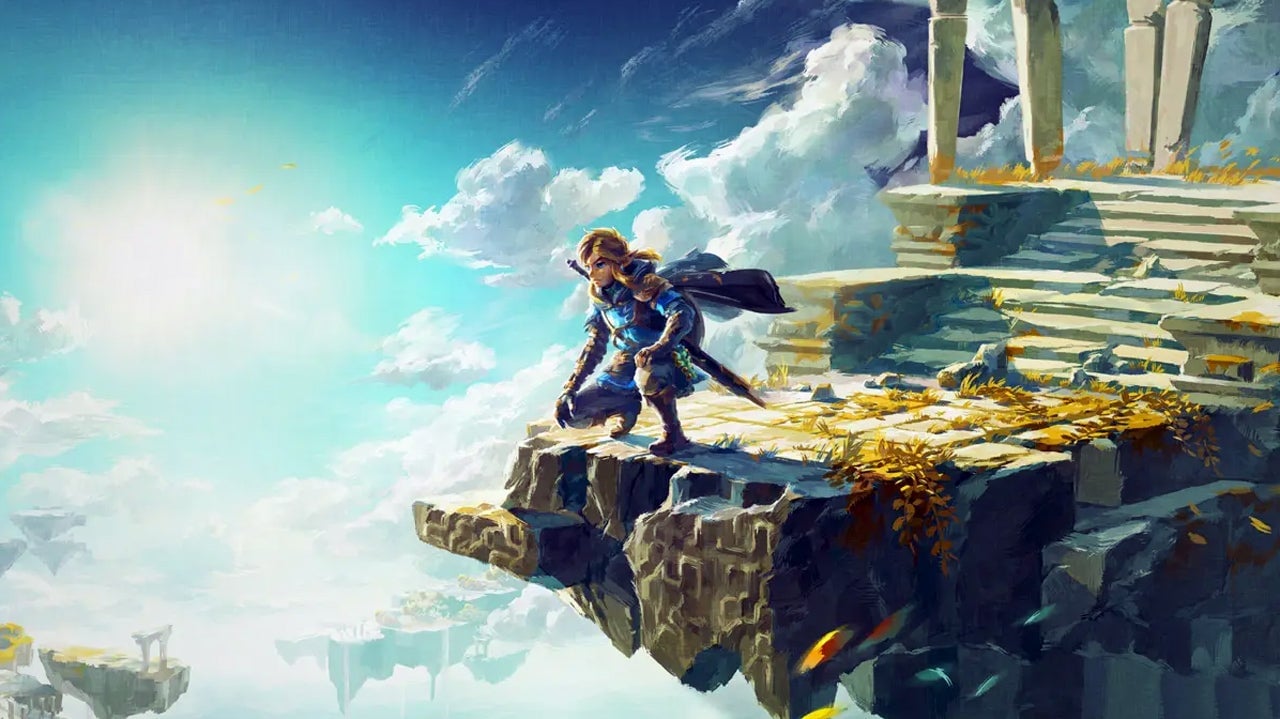
Nintendo implemented unprecedented security measures for 'The Legend of Zelda: Tears of the Kingdom', ensuring that fewer than ten people within the entire company knew about its official reveal beforehand.
Key Takeaways
- Fewer than 10 individuals inside Nintendo had prior knowledge of the game's official reveal plans.
- The company used extreme offline security measures to protect its intellectual property from leaks.
- The strategy paid off, turning the game into one of the fastest-selling titles in Nintendo's history.
Japanese gaming giant Nintendo is legendary for its strict culture of confidentiality, but a recent revelation has taken industry insiders by surprise. The company guarded the announcement of its blockbuster title, The Legend of Zelda: Tears of the Kingdom, so closely that less than ten people within the entire organization were aware of the reveal details beforehand. By keeping even its own staff in the dark, Nintendo managed to execute one of the cleanest, leak-free launches in modern gaming history.
Historical Background
Nintendo's obsession with secrecy dates back to the 1980s, during the early days of the Nintendo Entertainment System (NES). Over the decades, the gaming industry has been plagued by massive leaks that have ruined multi-million dollar marketing campaigns and spoiled game plots for fans. To combat this, Nintendo has historically restricted internal access to major projects. During the development of 'Tears of the Kingdom', the company reportedly utilized air-gapped development kits and strictly isolated offline servers to prevent any digital espionage or accidental data breaches.
The differences between standard gaming industry practices and Nintendo’s hyper-secure protocol are detailed in the comparison table below:
| Feature | Standard Industry Protocol | Nintendo's Ultra-Secret Protocol |
|---|---|---|
| Information Sharing | Shared with marketing, PR, and global partners weeks in advance. | Restricted strictly to core executive directors and select developers. |
| Development Security | Standard cloud-based systems and corporate VPNs. | Air-gapped development kits and highly encrypted offline servers. |
| Leak Prevention | Trailers and promotional art frequently leak early. | Not a single frame of the reveal trailer leaked before the official stream. |
Why This Matters
BozokMedia analysis shows... that in the modern video game industry, maintaining absolute secrecy is no longer just about protecting code; it is a vital marketing asset. When a major game is revealed unexpectedly without any prior leaks, the organic hype generated across social media and gaming communities is unparalleled. Nintendo's extreme measures prove that even in a hyper-connected digital age, a corporation can successfully control its narrative if it enforces absolute internal discipline.
Furthermore, this level of secrecy highlights the immense trust and corporate discipline within Nintendo's top tier. In an industry where disgruntled employees or third-party contractors frequently leak confidential materials for internet clout, Nintendo’s ability to keep its secrets under lock and key sets a gold standard for corporate security and public relations management.
"In an era where digital leaks are almost inevitable, Nintendo's ability to keep its biggest secrets under lock and key is nothing short of a corporate miracle."
Frequently Asked Questions
Q1: Why did Nintendo keep the Zelda reveal so secret?
A1: Nintendo wanted to maximize the marketing impact and emotional resonance of the announcement, ensuring that the surprise was not spoiled by premature internet leaks.
Q2: How did Nintendo restrict information internally?
A2: The company limited the knowledge of the reveal to fewer than 10 key executives and developers, utilizing offline networks to prevent unauthorized internal access.


