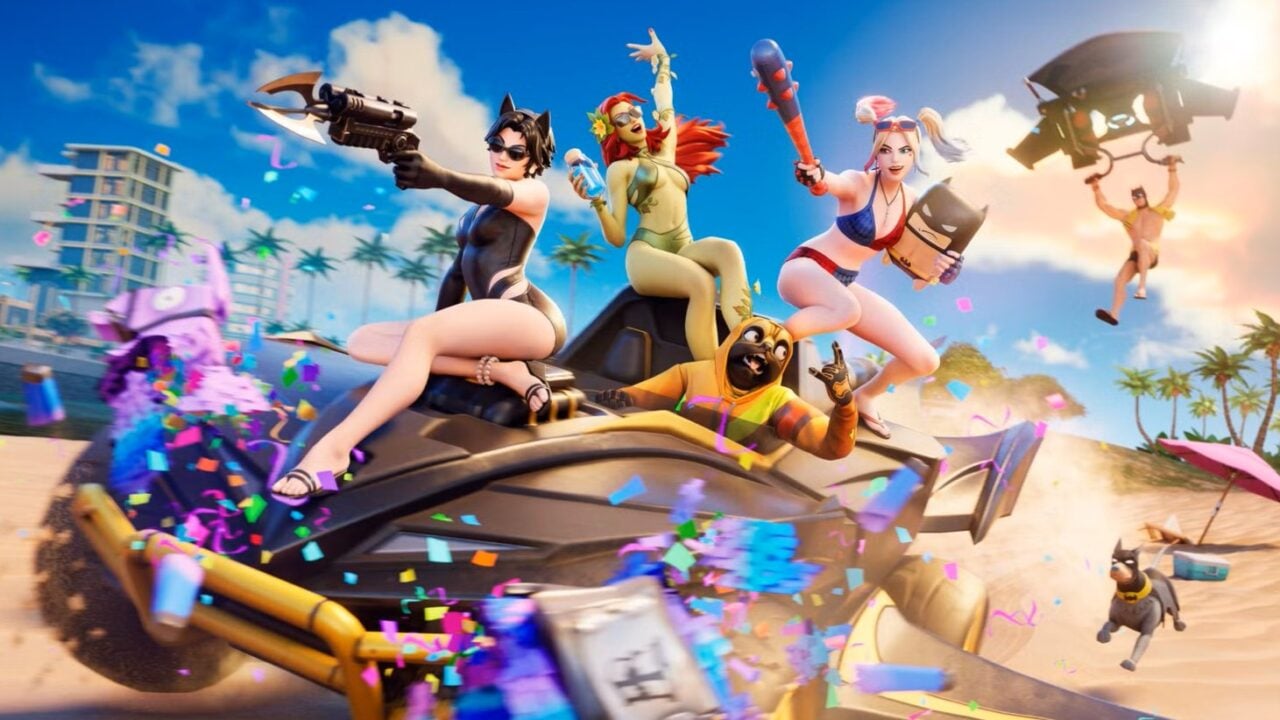
Epic Games' latest 'Hot Bat Summer' swimsuit skins in Fortnite have triggered an unexpectedly intense reaction across social media platforms. Despite their relatively modest designs, the community's polarized response highlights the complex relationship between virtual cosmetics and player expectations.
Key Takeaways
- Fortnite's "Hot Bat Summer" swimsuit skins have gone viral, sparking intense debate.
- Many players find the community's hyper-reactive response exaggerated given the modest designs.
- The controversy highlights the growing cultural impact of character cosmetics in live-service gaming.
The virtual world of Epic Games' Fortnite is no stranger to cosmetic controversies, but the release of the "Hot Bat Summer" swimsuit skins has taken online discourse to an entirely new level. Social media platforms, particularly X (formerly Twitter) and Reddit, have been flooded with highly animated reactions from players. Curiously, while some users are expressing overwhelming excitement, others are criticizing the community's hyper-fixation on what are essentially standard, non-provocative character designs.
Historical Background
Historically, character customization has been the financial backbone of free-to-play titles. Fortnite, launched in 2017, revolutionized this space by introducing seasonal battle passes and collaborative skins ranging from Marvel superheroes to pop culture icons. Over the years, "summer-themed" skins have occasionally debuted, but the intense scrutiny surrounding the "Hot Bat Summer" collection showcases how deeply players invest emotionally in virtual avatars. This phenomenon isn't new to gaming, but Fortnite's massive, young demographic amplifies these cultural shifts like no other platform.
| Aspect | Standard Skins | Summer/Swimsuit Skins |
|---|---|---|
| Design Focus | Tactical, armored, or fantastical | Casual, beachwear, or seasonal attire |
| Community Reception | Generally accepted as gameplay cosmetics | Highly debated, often sexualized or over-analyzed by online circles |
| Monetization Value | High utility, often tied to major collaborations | Seasonal, high-demand items driven by aesthetic appeal |
Why This Matters
This controversy transcends mere digital aesthetics; it reflects the evolving socio-cultural dynamics within massive multiplayer online spaces. As virtual worlds transition into metaverses, character skins serve as primary forms of self-expression and identity. The hyper-reactive response to relatively modest swimsuit designs reveals a fascinating disconnect between actual game content and the community's projected expectations. BozokMedia analysis shows that such controversies, whether organic or amplified by algorithms, ultimately serve as powerful, free marketing tools that keep legacy titles highly relevant in a saturated market.
Furthermore, this incident underscores the challenges developers face when balancing creative expression with family-friendly guidelines. Epic Games must constantly navigate these waters, ensuring that cosmetic items appeal to older players without alienating younger audiences or violating platform-specific content ratings.
"The intense reaction to Fortnite's summer cosmetics highlights how virtual identities have become as heavily policed and debated as real-world fashion trends." - Gaming Culture Analyst
Frequently Asked Questions
Q1: What is the "Hot Bat Summer" skin collection in Fortnite?
A1: It is a series of summer-themed, beachwear cosmetics introduced in Fortnite, featuring popular characters in swimsuit attire.
Q2: Why are players reacting so strongly to these skins?
A2: While the designs are relatively modest, the online gaming community has hyper-focused on them, leading to viral discussions, memes, and polarized debates about character representation.