Since Elden Ring, the Soulslike genre has plateaued, and only FromSoftware seems capable of pushing it into fresh territory. This piece examines why the market has stalled and what the future could hold if the original creator leads the way.
Key Takeaways
- Soulslike innovation has dried up after Elden Ring
- FromSoftware is the only studio with the pedigree to reinvent the formula
- Open‑world experiments hint at the next evolution
The Current State of Soulslike Games
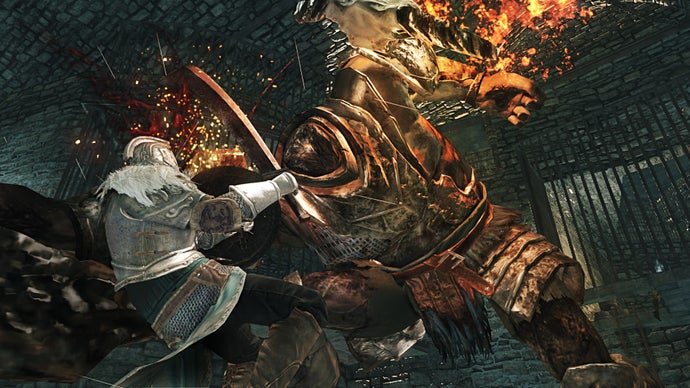
Dark Souls introduced punishing combat, cryptic world‑design, and bonfire checkpoints that defined a genre. Yet, post‑Elden Ring releases have largely recycled these elements without adding meaningful depth, leaving players yearning for a fresh “hit me” moment.
Historical Background
The lineage began with Dark Souls (2011), followed by Demon's Souls, Bloodborne, and Sekiro. Each iteration refined the “cursed DNA” – intricate puzzles, relentless enemies, and a risk‑reward economy – establishing a template that countless studios tried to copy.
Why This Matters
BozokMedia analysis shows that a stagnant genre reduces long‑term player retention and hampers revenue streams for mid‑tier studios that rely on “Souls‑like” branding. Only fresh design philosophies from the original creator can restore the genre’s market vitality.
“Without FromSoftware, the Soulslike future looks bleak; their innovation is the lifeblood of the genre.” – Gaming analyst Maya Patel
Looking Ahead
New titles like Black Myth: Wukong and Nioh 3 experiment with open worlds and hybrid mechanics, but they still lack the nuanced balance that FromSoftware delivers. The real breakthrough will likely come when the studio expands its puzzle‑box design into truly expansive landscapes.
Frequently Asked Questions
- Can the Soulslike genre evolve without FromSoftware? It can, but only if developers reinterpret the core principles with new technology and design ambition.
- Which upcoming titles show the most promise? Black Myth: Wukong, Nioh 3, and Lies of P are frequently cited as potential genre‑shapers.