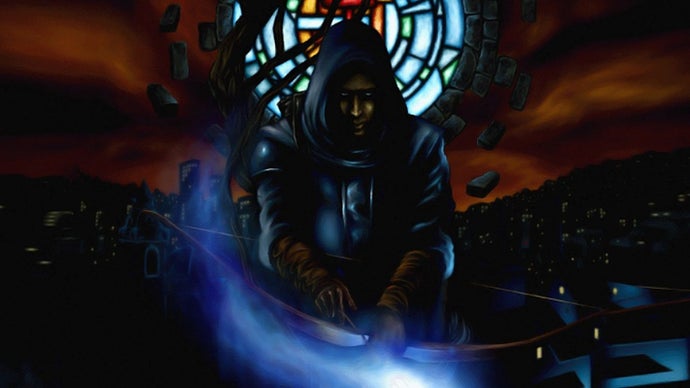
Thief designer Randy Smith Evergreen argues that chasing massive Triple-A budgets is a strategic error for immersive sims, suggesting a mid-budget 'Triple-I' approach instead.
Key Takeaways
- Massive Triple-A budgets pose a high financial risk for niche genres.
- Designers suggest a 'Triple-I' or Double-A approach is more sustainable.
- Immersive sims thrive on depth and player agency rather than sheer scale.
In the evolving landscape of video game development, the pursuit of scale often comes at the cost of substance. Randy Smith Evergreen, a designer behind the legendary Thief: The Dark Project, has raised concerns regarding the current trajectory of the Immersive Sim genre.
Evergreen argues that developers are currently caught in an unsustainable 'arms race.' Instead of focusing on what makes the genre unique, many studios feel pressured to compete directly with behemoths like GTA 6 or Ghost of Tsushima. This drive to achieve Triple-A status can lead to bloated budgets that are difficult to recoup through sales alone.
Why This Matters
BozokMedia analysis shows that the industry is facing a 'blockbuster fatigue' similar to the film industry. When every project requires a $250 million investment, the room for experimentation and niche satisfaction vanishes. For genres like immersive sims, which rely on specific player expectations, a massive budget doesn't necessarily translate to a massive audience.
Chasing Triple-A scale might be a fundamental misread of the immersive sim audience's actual size.
Instead of chasing massive profits, Evergreen suggests a more pragmatic model: the 'Triple-I' or Double-A approach. By working with budgets in the $3-$10 million range, passionate teams can create focused, high-quality experiences more quickly and with significantly less financial risk.
Frequently Asked Questions
1. What is an Immersive Sim?
It is a genre of video games that emphasizes player agency, allowing users to solve problems through various emergent gameplay mechanics.
2. What is the difference between Triple-A and Triple-I?
Triple-A refers to high-budget, large-scale productions, while Triple-I refers to high-quality, independent games with a focus on passion and niche appeal.