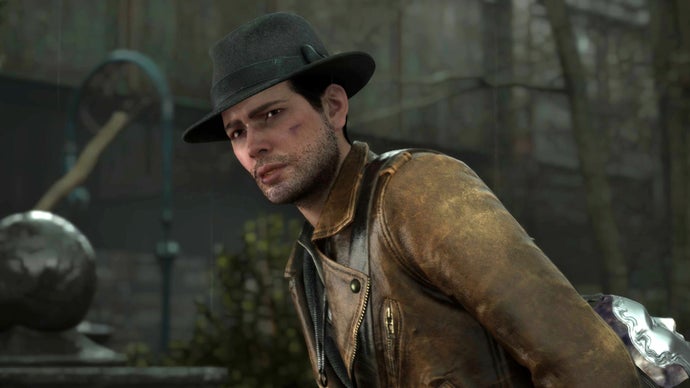
Frogwares pivots from detective work to intense survival horror in The Sinking City 2. We dive deep into whether this new direction enhances the Arkham experience.
- The focus has shifted from deductive investigation to intense survival horror combat.
- The 1920s setting of Arkham is visually stunning and atmospheric.
- Resource scarcity and limited inventory create high-tension gameplay.
Entering the waterlogged halls of Miskatonic University in The Sinking City 2, one immediately feels the weight of a world in transition. As sirens wail through the flooded streets of Arkham, it becomes clear that this is not just a sequel, but a fundamental reimagining of the franchise. The series is moving away from its detective roots toward a much more visceral survival horror experience.
While the 2019 original by Frogwares was celebrated for its investigative open-world and Lovecraftian atmosphere, the sequel introduces a new protagonist, Calvin Rafferty, and a significantly different gameplay loop. The deductive spirit that defined the first game has been downplayed in favor of combat, a move that is both risky and ambitious given the studio's history with action mechanics.
Why This Matters
BozokMedia analysis shows that genre-shifting sequels often face intense scrutiny from core fanbases. By pivoting from a 'thinking' game to a 'surviving' game, Frogwares is attempting to capture a broader market while testing the limits of their engine's combat capabilities.
The transition from deduction to combat is a high-stakes gamble that defines the evolution of the series.
Visually, the game is a masterpiece of atmosphere. The 1920s aesthetic is rendered with incredible detail, from the Art Deco lobbies to the half-submerged tram cars. Navigating the flooded streets in a small boat provides a sense of scale and dread that perfectly complements the cosmic horror elements lurking beneath the surface.
The combat, while not revolutionary, feels significantly more responsive than previous attempts by the developer. However, the game leans heavily into the limitations of survival horror. Scarce ammo, small inventory spaces, and untelegraphed ambushes can lead to moments of genuine tension, though they occasionally border on frustration for the player.
Frequently Asked Questions
1. Is there still investigation in the sequel?
Yes, there are still elements of puzzle-solving and clue-gathering, but they are much lighter than in the first game.
2. How is the combat compared to the first game?
The combat is much more central and improved, shifting the game from a slow-paced detective sim to an action-oriented horror game.