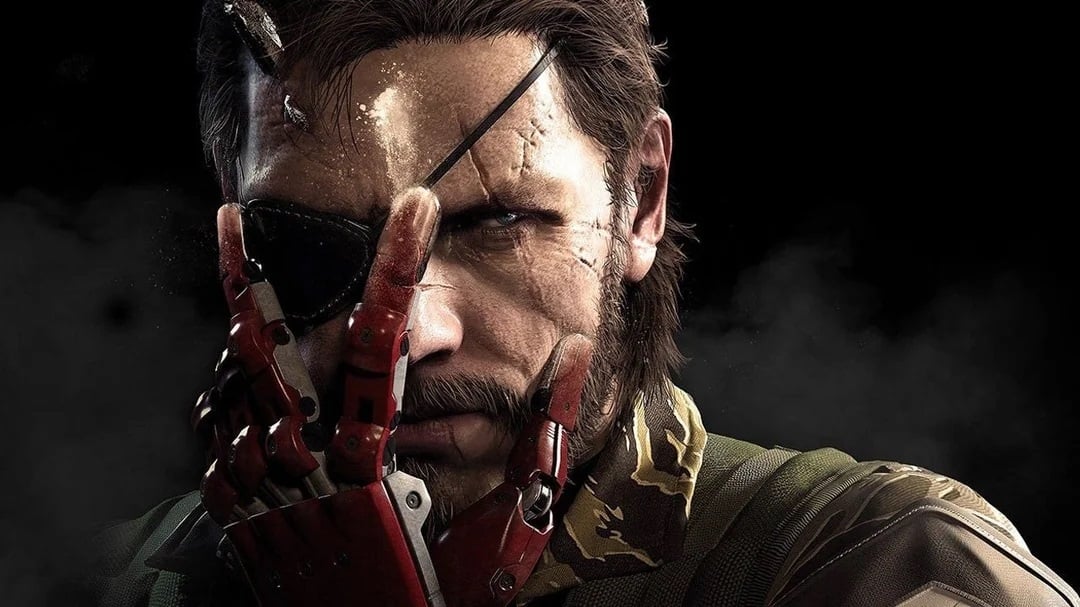
An in-depth exploration of the Metal Gear franchise, examining how Hideo Kojima redefined stealth gaming while occasionally stumbling into design pitfalls.
- The Metal Gear series set the gold standard for stealth mechanics and cinematic storytelling.
- Hideo Kojima's innovations pushed the boundaries of what boss fights could achieve.
- Technical flaws and punishing progression systems sometimes hindered the gameplay experience.
The Metal Gear franchise is, quite simply, a magnificent mess. Created by the visionary Hideo Kojima, this espionage thriller series has acted as both a beacon of innovation and a cautionary tale for game designers. Throughout its decades-long run, it has introduced revolutionary narrative techniques and redefined the concept of a boss battle, yet it has also been plagued by mechanics that could render the experience frustrating or even unwinnable.
Looking back at the original Metal Gear, its greatest achievement was establishing the template for the entire genre. From using guard uniforms for infiltration to the core loop of tactical espionage, the DNA of every subsequent entry can be traced back to this 8-bit foundation. However, its flaw was equally foundational: a punishing progression system where accidental mistakes, such as shooting a hostage, could lower your rank so significantly that you lacked the resources to defeat the final boss, making the game effectively unbeatable.
Why This Matters
BozokMedia analysis shows that the evolution of the Metal Gear series mirrors the evolution of the gaming industry itself—moving from rigid, punishing mechanics toward more fluid, cinematic, and character-driven experiences.
Metal Gear isn't just a game; it's a cinematic experiment played through a controller.
Metal Gear 2: Solid Snake showcased the series' ability to blend genres. The final confrontation with Big Boss, involving improvised tools like a lighter and a spray can, felt more like an adventure game than a standard shooter. Yet, the game wasn't without its flaws, most notably the infamous 'swamp sequence' that forced players to navigate an invisible path, stalling the momentum of an otherwise tense narrative.
Then came Metal Gear Solid, the game that truly catapulted the series into the mainstream. The early infiltration sequences on Shadow Moses Island remain some of the most atmospheric moments in gaming history. While the series has faced criticism for certain segments—like the jarring jeep chase in the original Solid Snake—the sheer ambition of the storytelling and the depth of its characters remain unmatched.
Frequently Asked Questions
1. Who is the creator of the Metal Gear series?
The series was created and directed by the legendary game designer Hideo Kojima.
2. What is the primary genre of Metal Gear?
The series is primarily classified as Stealth-Action, focusing on evasion and tactical infiltration.


