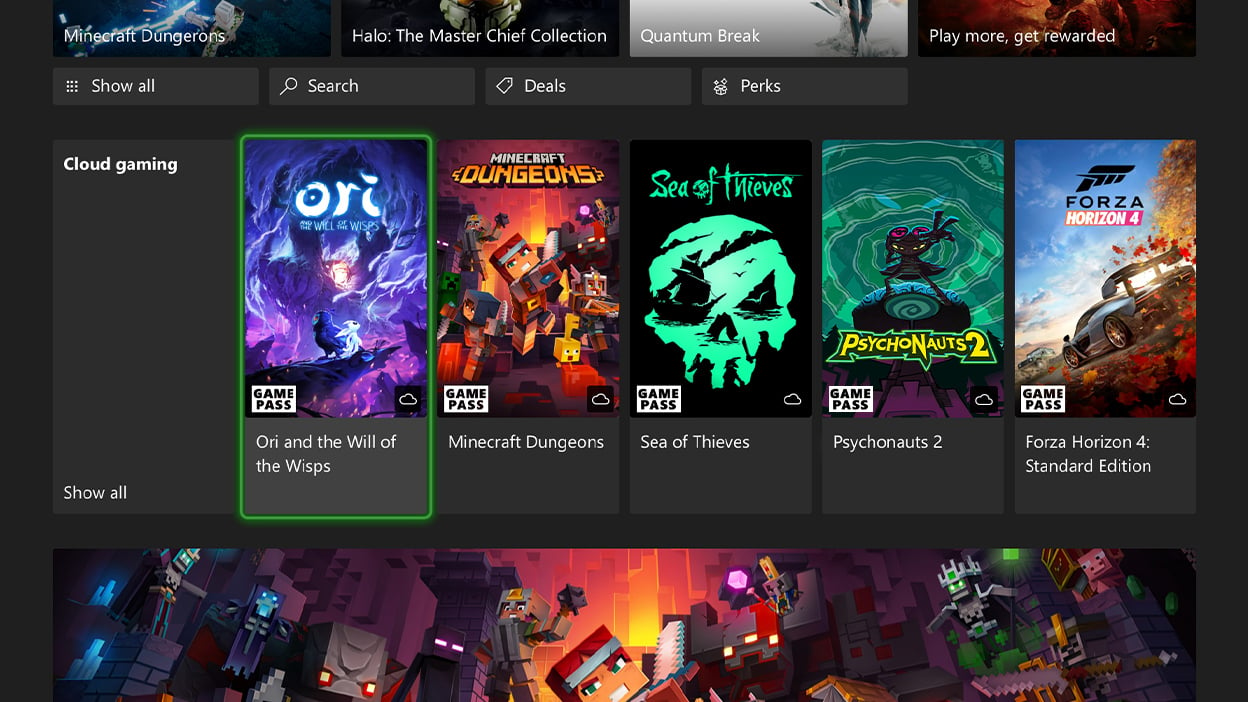
The gaming industry faces a massive transparency gap as Xbox and EA withdraw from Circana's digital data sharing panel. This move obscures market realities and empowers corporations to control their own narratives.
- Xbox and EA are no longer participating publishers in Circana's digital data panel.
- The decision creates a massive blind spot in U.S. digital video game sales tracking.
- Reduced transparency allows corporations to potentially manipulate public perception regarding game performance.
The video game industry is witnessing a significant decline in market transparency. Circana, a leading authority on market trends, has confirmed that Xbox and EA (Electronic Arts) have officially stopped sharing their digital sales data. This shift, effective as of July 2026, leaves a massive void in the reporting of digital transactions across major storefronts.
In an era where digital sales dominate the market, data from platforms like the Microsoft Store and PlayStation Store is vital. Previously, Circana utilized a 'digital data sharing panel' to provide accurate insights into which games were performing well. With the departure of these two giants, much of the current software charts are now based on educated guesswork rather than hard facts.
Why This Matters
BozokMedia analysis shows that this lack of transparency is not just a technical issue for analysts; it is a systemic risk for the entire ecosystem. When publishers withhold data, they gain the ability to curate their own narratives. A company could potentially cite 'low sales' to justify mass layoffs or use obfuscated data to defend unpopular, anti-consumer business practices.
The erosion of data transparency allows multi-billion-dollar corporations to control the information diet of the very players who fund them.
The implications are particularly severe for massive franchises like Call of Duty. Without direct data, the industry loses sight of the most consistent revenue drivers. Furthermore, with Sony planning to end disc production by 2028 and Xbox likely following suit, the industry is moving toward a future where we are entirely dependent on platform holders to tell us what is actually happening in the market.
| Feature | Previous State | Current State (Post-Withdrawal) |
|---|---|---|
| Data Accuracy | High (Direct from Publishers) | Low (Estimates/Guesswork) |
| Transparency | Industry-wide visibility | Corporate-controlled narratives |
| Market Insight | Comprehensive | Fragmented and Obscured |
Frequently Asked Questions
1. How does this affect game developers?
It makes it harder for independent analysts to provide an accurate picture of the market, which can affect investment and trend predictions.
2. Will this impact digital game prices?
While not directly linked, the lack of transparency can allow companies to hide market trends that might otherwise influence pricing strategies.