As Metal Gear Solid 4 arrives on modern consoles via Master Collection Vol. 2, we revisit its legacy. Was it a cinematic overkill or a true gaming masterpiece?
- MGS4 is returning to modern platforms via Master Collection Vol. 2.
- Hideo Kojima used the game as a definitive, emotional end to the Snake saga.
- The game subverts hero tropes by featuring a decaying, aging protagonist.
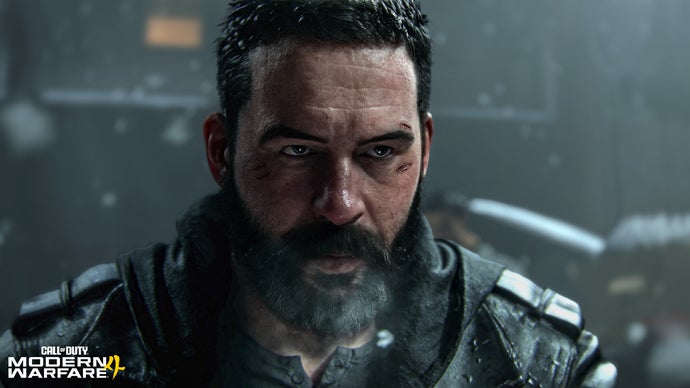
Metal Gear Solid 4: Guns of the Patriots stands as a paradoxical fossil in the gaming landscape. Like the protagonist Old Snake, the game feels like a relic of a bygone era—an unhinged, overflowing masterpiece that barely left a mark on the formal evolution of the artform due to its hardware limitations. However, with the announcement of Master Collection Vol. 2, a new generation is finally set to experience Kojima's complex vision.
Hideo Kojima's relationship with the franchise was always complicated. Despite publicly stating his desire to end the saga multiple times, he returned to deliver a game that felt less like a sequel and more like a funeral. Unlike the cocky, high-octane soldiers of previous entries, MGS4 presents a protagonist who is actively decomposing, grunting, and coughing through his final missions. It is a brave, albeit messy, subversion of the 'hero' trope.
Why This Matters
BozokMedia analysis shows that MGS4 represents a rare moment in gaming history where a creator chose narrative finality over infinite commercial expansion. While modern AAA titles are designed to be perpetual 'live services,' Kojima performed a sort of peaceful euthanasia on his life's work, ensuring that the story of Solid Snake had a definitive, bittersweet conclusion.
Kojima didn't just make a game; he wrote a beautifully conclusive eulogy for a legendary mercenary.
The game is structured with a cinematic intensity that feels almost quaint in today's era of open-world saturation. Each act functions almost as a different genre, shifting from battlefield skirmishes to espionage in Eastern Europe. While critics often pointed to the excessive cutscenes, these sequences were essential to the heavy, gloomy weight that the game carries—a weight that demands the player reckon with the cost of war.
Historical Background
The Metal Gear lineage began in 1987 on the MSX. Over decades, it evolved from a stealth-action pioneer into a philosophical epic. While subsequent titles like Peace Walker and MGS5 explored the past, they never quite captured the raw, unfiltered honesty of the end-of-an-era feeling that Guns of the Patriots provided. It remains the last time Kojima had the massive budget and creative freedom to end things on his own terms before his eventual exit from Konami.
Frequently Asked Questions
Question 1: Can I play MGS4 on modern consoles?
Answer: Yes, thanks to the upcoming Master Collection Vol. 2, the game is becoming accessible on modern hardware.
Question 2: Is MGS4 a linear game?
Answer: Yes, unlike the open-world games common today, MGS4 follows a highly cinematic, linear progression.