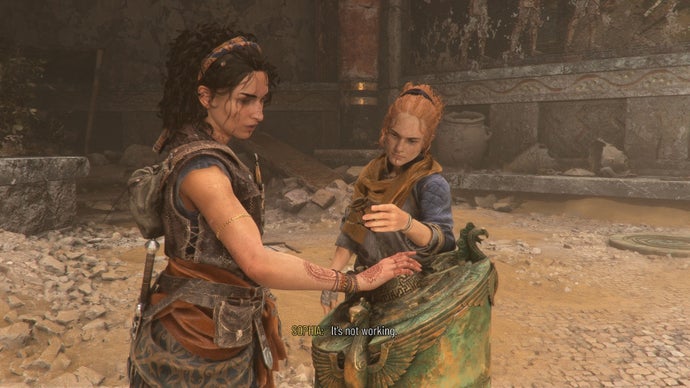
Asobo Studio ventures into action with Resonance: A Plague Tale Legacy, a prequel set 16 years before the main series. While combat is improved, the linear structure limits its potential.
- Prequel setting: Takes place 16 years before Amicia and Hugo's journey.
- New Protagonist: Focuses on Sophia, the woman who assists Amicia in Requiem.
- Shift in Genre: Moves from stealth-heavy gameplay to direct combat.
- Linearity issues: Strict paths discourage exploration and cause frustration.
For a franchise built on the delicate balance of light and shadow, Resonance: A Plague Tale Legacy is a bold attempt to step out of the main entries' shadow. Developer Asobo Studio has pivoted significantly, moving away from the stealth-driven survival that defined the previous games to explore a more combat-oriented experience.
The narrative shifts the focus to Sophia, a character we know from the later games. Set 16 years before the events of the main series, the story explores her origins—from being kidnapped by the Inquisition to her visions of a mysterious island triggered by a mysterious poison. The journey follows her as she attempts to reach the heart of this island, armed with a stolen key and pursued by the Venetian army.
Why This Matters
BozokMedia analysis shows that genre-shifting in established IPs is a high-stakes gamble. By replacing the tension of hiding with the adrenaline of fighting, Asobo is testing whether the 'Plague Tale' brand is about its mechanics or its atmosphere. While the combat is characterful, the structural changes pose a risk to the series' identity.
The transition from stealth to melee combat is a mechanical success, but a narrative complication.
In terms of mechanics, the combat is surprisingly robust. Sophia utilizes a 'scrappy' fighting style, using environmental objects like bottles and knives to stun enemies. For a studio not traditionally known for melee combat, the parrying and dodging feel responsive and engaging. However, this shift creates a disconnect with the story's premise.
The game suffers from extreme linearity. While the main path is filled with cinematic set pieces and beautiful vistas, deviating from it often results in instant death animations. This design choice effectively punishes curiosity, making the world feel more like a corridor than a living, breathing environment. Furthermore, the presence of soldiers in areas that should theoretically be inaccessible without Sophia's visions undermines the narrative weight of her role.
Frequently Asked Questions
1. Is this a sequel to A Plague Tale: Requiem?
No, it is a prequel set 16 years prior to the main timeline.
2. How does the combat differ from previous games?
Unlike the previous games which emphasized stealth, Resonance focuses on active melee combat with swords and knives.