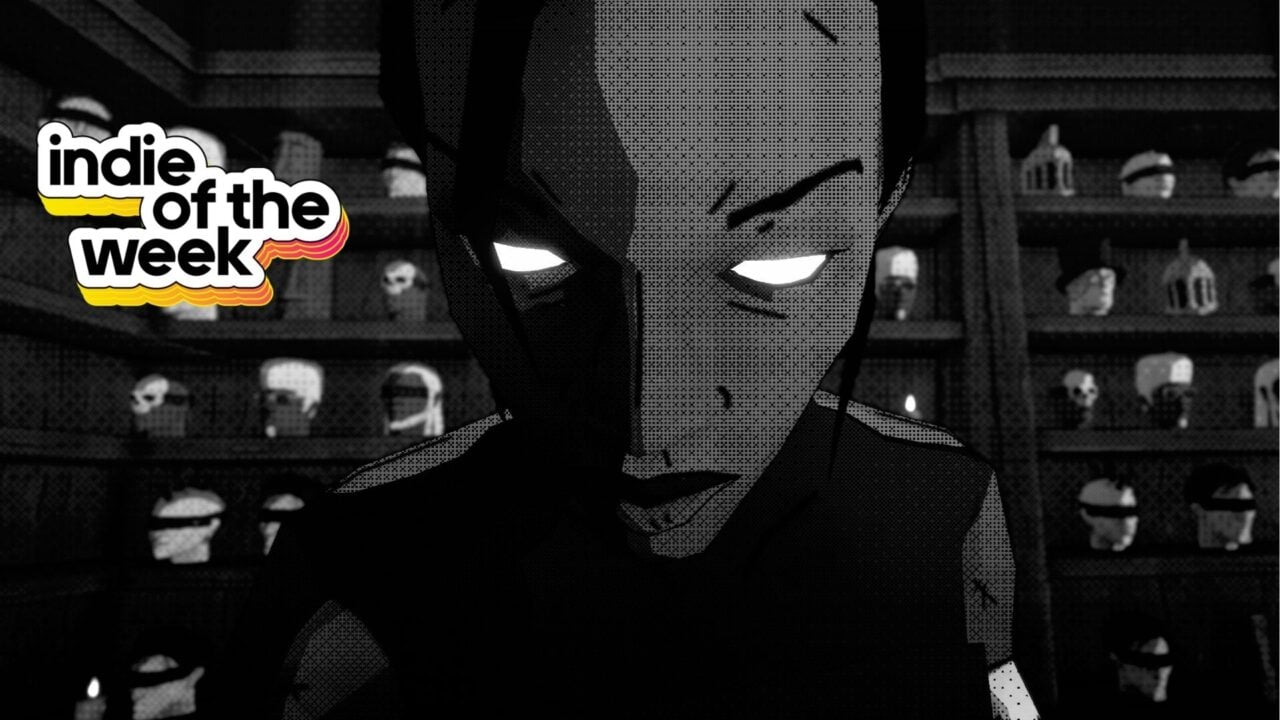
The combat in Stranger Than Heaven is emerging as the standout feature of the title. Characterized by a slow, methodical, and brutal approach, it draws striking parallels to the classic Punch-Out.
- Combat is the central pillar of the gameplay experience.
- The mechanics are slow, methodical, and intentionally brutal.
- Strong stylistic similarities to the legendary Punch-Out.
Early previews of Stranger Than Heaven suggest that the combat system is not just a feature, but the very soul of the experience. Unlike the frantic button-mashing seen in many modern titles, this game demands patience and precision.
The combat style is described as slow and methodical, forcing players to engage with the rhythm of the fight rather than just speed. At times, the intensity escalates into pure brutality, providing a visceral sense of impact that is rare in contemporary titles. This deliberate pacing ensures that every strike feels earned.
Why This Matters
BozokMedia analysis shows that in an era dominated by high-speed action, a return to methodical, pattern-based combat can redefine player engagement. By prioritizing strategy over reflex, Stranger Than Heaven targets a sophisticated audience looking for meaningful gameplay loops.
The combat mechanics bridge the gap between nostalgic arcade precision and modern-day visceral intensity.
One of the most exciting revelations is the heavy influence of the legendary Punch-Out. The way combat unfolds—requiring players to read movements and time their responses—evokes the golden era of arcade gaming, making it a must-watch for genre enthusiasts.
Historical Background
Methodical combat has its roots in early arcade classics where precision was the only way to survive. From the rhythmic patterns of 80s fighters to the tactical depth of modern soulslikes, the industry has always valued combat that rewards intellect as much as reaction time.
Frequently Asked Questions
Is the combat too slow for action fans?
While it is methodical, the brutality and stakes ensure that the tension remains high throughout.
How does it compare to modern fighting games?
It focuses more on strategic timing and pattern reading than rapid-fire combos.