Sega's upcoming title Stranger Than Heaven is facing backlash over its experimental and clunky control scheme. We dive deep into whether this 'body-control' mechanic enhances realism or ruins the fun.
- Stranger Than Heaven features a unique control scheme requiring independent limb movement via triggers and bumpers.
- The mechanic aims for high realism but reportedly causes significant frustration during combat.
- The game is a prequel in the Like a Dragon universe developed by RGG Studio.
The gaming community is currently divided over the preview reports of Sega's highly anticipated title, Stranger Than Heaven. While RGG Studio has always been known for its polished combat, this upcoming prequel appears to be taking a radical, and potentially polarizing, departure from the franchise's established roots. The core of the controversy lies in how players interact with the protagonist, Makoto Daito.
The Burden of Realism
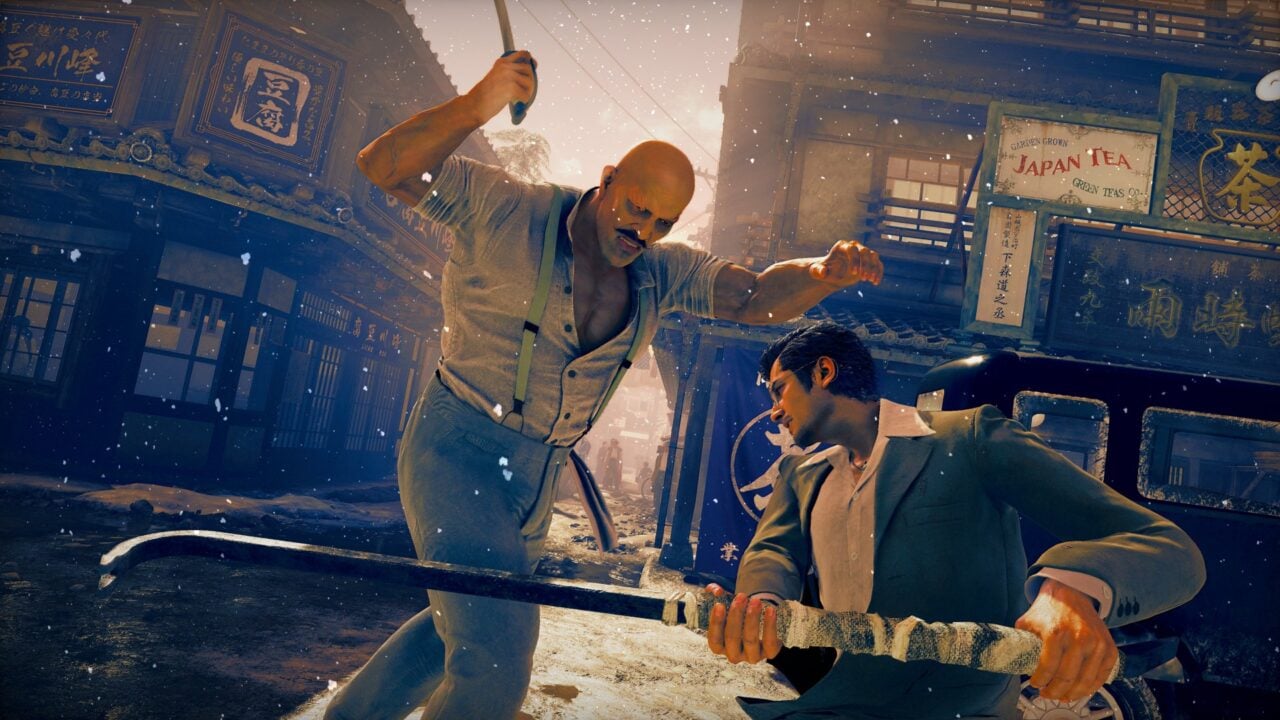
Unlike the fluid, high-octane beat-em-up action seen in the Like a Dragon series, Stranger Than Heaven implements a control scheme that mimics the difficulty of physical coordination. By using the controller's triggers and bumpers to manage the left and right sides of the body independently, the game attempts to simulate the weight and struggle of a real brawl. However, early impressions suggest this leads to a combat experience that feels more like a chore than a thrill.
The primary issue arises during the chaos of combat. When Daito is displaced or shifts his weight, the entire camera and directional orientation of the fight reconfigure. This makes it incredibly difficult for players to predict incoming strikes. BozokMedia analysis shows that when the barrier between player input and character reaction becomes too thick, the sense of agency is lost, replaced by a feeling of being disconnected from the action.
True immersion comes from seamless interaction, not from fighting against the controller to make a character move.
Why This Matters
This development marks a significant pivot for RGG Studio. In an era where player accessibility and fluid combat are king, choosing an 'obtuse' control system is a massive gamble. The industry is seeing a trend toward haptic immersion, but Stranger Than Heaven seems to be testing the limits of how much complexity a player is willing to endure for the sake of a 'sensory experience.'
Furthermore, the inclusion of controversial elements, such as the digital likeness of Tupac Shakur, adds layers of cultural complexity to the game. While these features might drive engagement, they cannot compensate for a fundamental breakdown in gameplay mechanics. If the combat feels like a headache rather than a challenge, even the most intriguing narrative elements may fall flat.
Frequently Asked Questions
Q1: What makes the controls in Stranger Than Heaven different?
A1: It requires players to control the character's left and right sides independently using the controller's triggers and bumpers.
Q2: Who is the developer of this game?
A2: The game is being developed by RGG Studio and published by Sega.