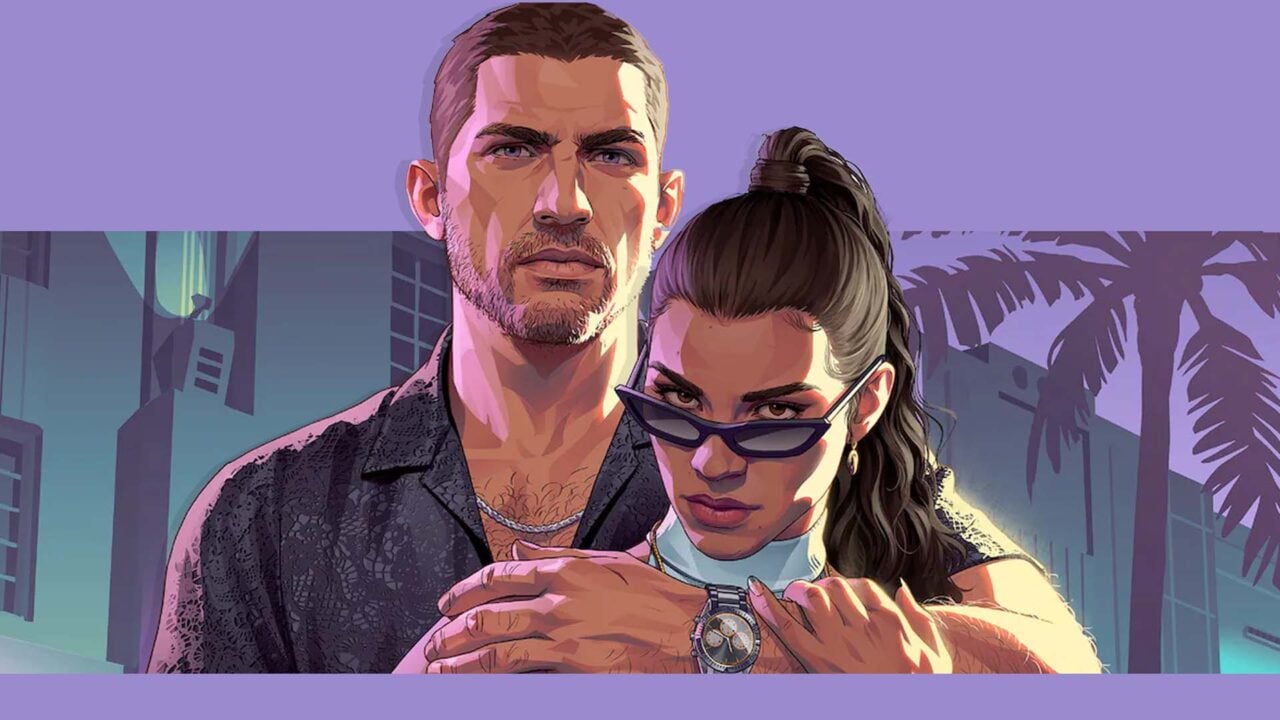
Xbox CEO Asha Sharma addresses the future of Project Helix, focusing on affordability and consumer choice amidst rumors of a digital-only transition.
- Xbox CEO Asha Sharma emphasized hardware affordability and efficiency for the next generation.
- Concrete answers regarding a disc drive in 'Project Helix' remain unconfirmed.
- Microsoft is leveraging programs like 'Disc-to-Digital' to ease the transition from physical to digital.
- Xbox aims to provide more consumer choice compared to Sony's digital-first pivot.
The gaming industry is on edge as speculation intensifies regarding Microsoft's upcoming next-generation console, codenamed Project Helix. In a recent high-profile interview, Xbox CEO Asha Sharma remained tight-lipped about whether the new hardware will feature a physical disc drive, choosing instead to pivot the conversation toward the critical issues of affordability and technological efficiency.
The Challenge of Affordability and Innovation
Speaking to the BBC, Sharma highlighted the shifting landscape of hardware manufacturing. "This next generation, we have to be thinking about efficiency and affordability alongside performance," Sharma stated. She noted that the industry faces a unique crisis regarding hardware components, necessitating a new era of innovation to keep consoles accessible to the masses.
Why This Matters
BozokMedia analysis shows that as component costs rise globally, the era of ultra-powerful but prohibitively expensive consoles may be facing a reckoning. If Microsoft can solve the puzzle of high-end performance at a lower price point through Project Helix, they could secure a massive competitive advantage over rivals who are struggling with rising MSRPs.
"Giving players choice in how they purchase and play is the ultimate way to win the console war."
Regarding the fate of physical media, Sharma expressed a nuanced view. While the industry is moving toward digital, she acknowledged the sentimental and practical value of physical collections, noting, "There are stacks of games on everybody's shelves." This suggests that while the hardware might change, the software ownership experience remains a priority.
Historical Context: The Digital Shift
The transition from physical discs to digital downloads has been a slow burn for over a decade. While Sony has signaled a definitive move toward an all-digital future—a move that has faced significant backlash from consumers—Xbox has taken a more gradual, service-oriented approach. Through initiatives like Smart Delivery and Play Anywhere, Microsoft has smoothed the friction of moving between digital and physical ecosystems.
The recently announced 'Disc-to-Digital' program is perhaps the most strategic move in this transition. It allows users to migrate their physical library to a digital format, effectively future-proofing their collections even if the next console lacks a disc drive.
| Feature | Sony (PlayStation) | Xbox (Project Helix/Current) |
|---|---|---|
| Future Strategy | All-Digital Pivot | Hybrid/Choice-Centric |
| Consumer Freedom | Restricted (Sony Storefront) | High (Digital & Physical options) |
| Transition Tools | Limited | Robust (Disc-to-Digital) |
As rumors persist that Project Helix may be a digital-only device to cut production costs, Microsoft's strategy seems to be: win the hardware battle through price, and win the loyalty battle through flexibility. For now, keeping your Xbox Series X or Xbox One might be a wise move to ensure your physical discs remain playable through transition programs.
Frequently Asked Questions
1. Will Project Helix have a disc drive?
Microsoft has not officially confirmed this, though industry rumors suggest a digital-only design to reduce costs.
2. How does the Disc-to-Digital program work?
It allows players to convert their physical game ownership into digital licenses, ensuring access even on digital-only hardware.