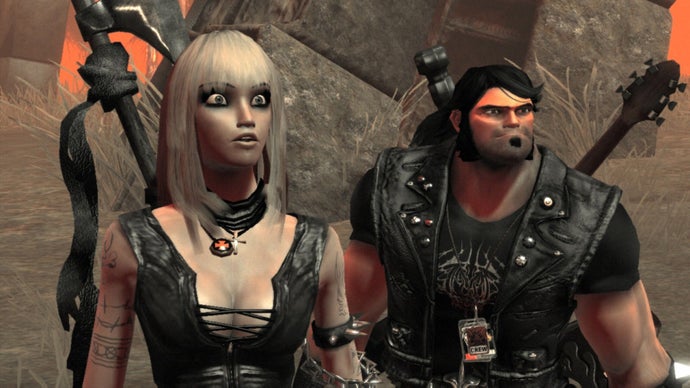
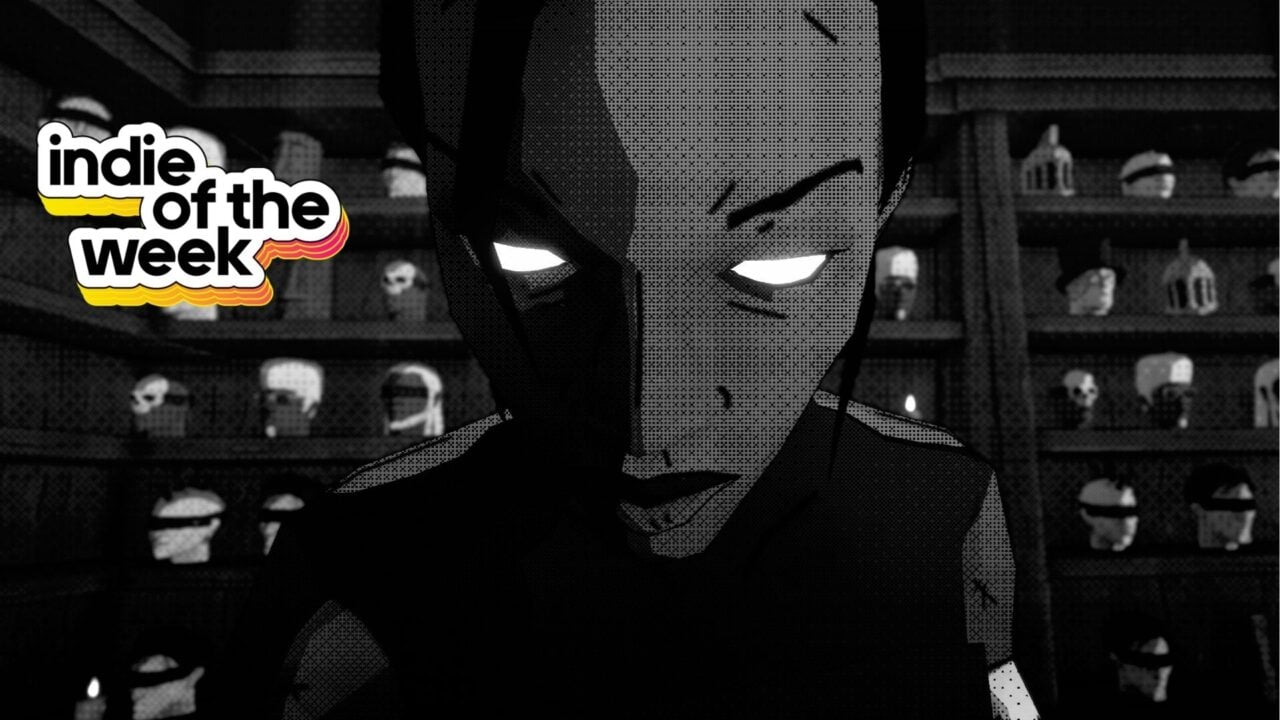
Breaking the mold of traditional strategy RPGs, The Hundred Line: Last Defense Academy turns character death into a strategic advantage rather than a loss.
- The Hundred Line flips the script on traditional SRPG mechanics by encouraging character sacrifice.
- Developed by Too Kyo Games, it blends deep visual novel storytelling with tactical combat.
- The game uses death as a strategic tool rather than a permanent penalty.
The Hundred Line: Last Defense Academy has emerged as one of the most critically acclaimed titles of the past year. While legendary franchises like Fire Emblem train players to cherish every unit and fear permadeath, Too Kyo Games has crafted an experience that does the exact opposite: it turns your comrades into expendable tools for victory.
A Narrative Driven by Sacrifice
In a recent interview, gameplay director Akihiro Togawa revealed that the core mechanics were designed to align with the game's bleak narrative themes. Led by industry veterans Kazutaka Kodaka (Danganronpa) and Kotaro Uchikoshi (Zero Escape), the game centers on teenagers defending the last bastion of humanity. The concept of 'Shishu' (defending with one's life) is central, but with a dark twist: characters can be resurrected, forcing them to keep fighting even after death.
Why This Matters
BozokMedia analysis shows that this mechanical shift fundamentally alters the player's psychological relationship with the game. By introducing the 'Last Resort' mechanic—where a character is sacrificed to unleash an ultimate ability—the game challenges the player's empathy, forcing a choice between emotional attachment and tactical efficiency.
In this world, death isn't a tragedy; it's a resource to be managed.
Unlike traditional SRPGs where every lost unit is a setback, The Hundred Line rewards players for strategic losses. As characters are defeated, the team can often perform more actions, making the cycle of death and resurrection a core part of the power progression system.
Comparison: Traditional SRPG vs. The Hundred Line
| Feature | Fire Emblem Style | The Hundred Line Style |
|---|---|---|
| Character Value | High (Avoid death at all costs) | Strategic (Use as a resource) |
| Death Penalty | Permanent loss of unit | Revival and tactical utility |
| Core Loop | Survival and preservation | Sacrifice and defense |
Interestingly, the developers considered a 'Karma System' that would branch the story based on how many characters died. However, they ultimately scrapped it to ensure that the narrative branching remained strictly tied to player choices rather than combat skill, preventing accidental story triggers for less experienced players.
Frequently Asked Questions
1. Is the game available on consoles?
Yes, it is currently available on PC and Nintendo Switch.
2. Does sacrificing characters affect the ending?
No, the combat outcomes do not change the story; only narrative choices do.