Creative Assembly is evolving the horror experience in Alien: Isolation 2 by using extreme weather and vast, treacherous landscapes on planet LV-921 to create a new kind of tension.
- Alien: Isolation 2 moves beyond the claustrophobic corridors of Sevastopol Station into the vast, unpredictable wilds of LV-921.
- Dynamic weather systems like rain, fog, and storms will actively impact player visibility and sound.
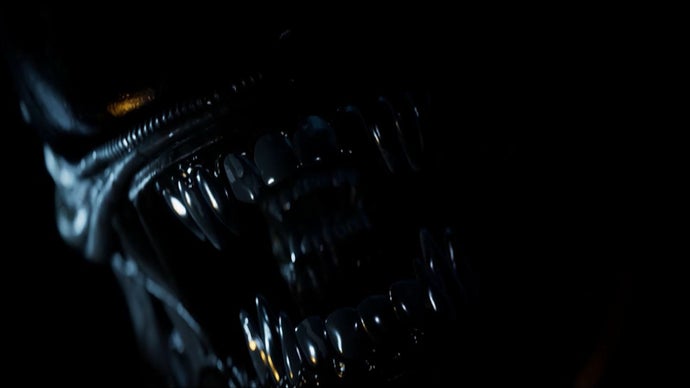
- The Xenomorph features enhanced adaptability, learning to hunt using environmental advantages.
The horror genre is about to undergo a massive atmospheric shift. Creative Assembly is preparing to launch the highly anticipated sequel, Alien: Isolation 2, and the early details suggest a radical departure from the original's design philosophy. While the 2014 classic relied on the crushing claustrophobia of the Sevastopol Station, the sequel takes players into the wide, terrifying expanses of planet LV-921.
In the newly revealed demo, players experience the harrowing reality of being caught in a storm. As the character Blake arrives on the planet, the environment itself becomes an antagonist. The wind howls, rain pelts metal roofs, and thick mud threatens every step. This shift from tight corridors to muddy, tree-speckled forests creates a unique psychological tension: the fear of what is hiding in the vastness rather than what is around the corner.
Why This Matters
BozokMedia analysis shows that the developers are utilizing 'sensory deprivation' as a core gameplay mechanic. By using weather to mask sounds and obscure vision, they are forcing players into a state of hyper-vigilance, making the transition between open terror and indoor claustrophobia seamless and jarring.
Art director Ana Sopikova emphasizes that weather is not merely aesthetic. "The rain, the storm, the wind allow us to layer different gameplay experiences," she explains. Heavy rain can drown out the sound of a player's footsteps, providing a momentary reprieve—or a deadly opportunity for a predator to sneak closer unnoticed.
The weather isn't just a backdrop; it is a tactical element that manipulates the player's perception of safety.
Crucially, the threat is not one-sided. Principal environment artist Archie Whitehead notes that the Xenomorph is equally affected by, and capable of exploiting, these conditions. If a storm makes a player harder to hear, the alien will adapt by seeking higher vantage points or relying on visual cues, ensuring the hunt remains relentless regardless of the climate.
The game creates a fascinating dichotomy. The interiors of the mining stations offer a sense of familiarity—reminiscent of the lo-fi, industrial aesthetic of Ridley Scott's 1979 masterpiece—but they act as 'pressure cookers.' Conversely, the exteriors offer a sense of exposure. Players may find themselves actually craving the claustrophobic safety of a metal bulkhead once they have faced the unpredictable fury of an alien planet's weather.
Frequently Asked Questions
1. Will the game be more difficult than the first one?
While difficulty varies, the addition of unpredictable weather and adaptive AI suggests a much more complex survival experience.
2. Is the setting still in space?
The action takes place on the surface of planet LV-921, featuring both outdoor environments and industrial station modules.