Our Gamescom hands-on preview reveals that Lego Skylines is a standalone masterpiece, blending deep simulation with the tactile joy of Lego bricks. It's a sophisticated experience that transcends being a simple DLC.
- Lego Skylines is a standalone title, not just a glorified DLC for Cities Skylines.
- The game emphasizes granular creativity, allowing players to build specific homes for individual minifig families.
- It offers a gentle learning curve, making it accessible to kids while remaining deep enough for veterans.
Our hands-on preview of Lego Skylines at Gamescom has effectively silenced any doubts that Paradox's upcoming title would be merely a 'Cities Skylines' reskin with a plastic aesthetic. This is undoubtedly a distinct entity—a game built from the ground up to merge the rigorous mechanics of a professional city-builder with the whimsical, tactile charm of the Lego universe. It captures that signature Lego humor while providing a deeply satisfying sense of construction.
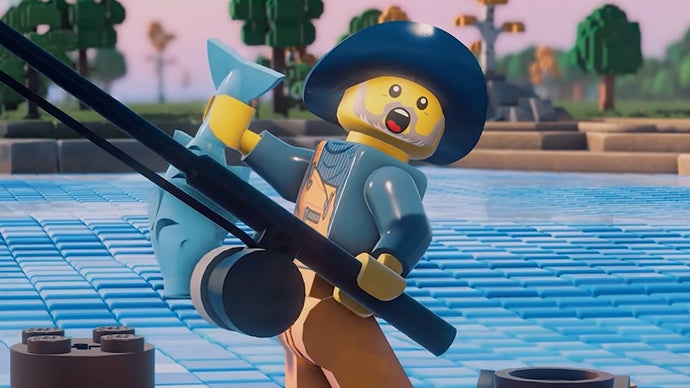
The experience begins with personal identity; you choose a Lego minifigure avatar, making you a tangible participant in this brick-built world. Unlike traditional city builders where you zone massive residential blocks, here you are building actual homes for specific families. These families have unique personalities, needs, and whims—such as a request for a garden gnome—which adds a layer of role-playing that is rarely seen in the genre.
Why This Matters
BozokMedia analysis shows that Lego Skylines is bridging the gap between casual creative play and hardcore management simulation, a niche that has long been underserved in the gaming market.
Customization is where the game truly shines. While houses are selected from menus based on size and style—ranging from sleek urban pads to rustic farmsteads—the granular control is immense. Players can tweak roof colors, lawn flowers, or even add tiny garden benches. Every placement is accompanied by that iconic, satisfying 'click' of Lego pieces snapping together, providing a sensory reward that complements the strategic depth.
Lego Skylines proves that deep simulation and relaxing, creative building are not mutually exclusive concepts.
Resource management and economic stability are central to the gameplay. Creating workplaces is essential for maintaining happiness, tax revenue, and complex resource chains. However, unlike the relentless pressure found in 'Cities Skylines,' Lego Skylines adopts a more gradual approach. It introduces concepts like resource matching and happiness levels slowly, allowing players to master one mechanic before moving to the next.
The inclusion of side quests adds a layer of narrative charm. Whether you are hunting for escaped chickens or building an off-grid home for a retiree, these tasks make the city feel inhabited by real characters rather than just statistical data points. While you cannot currently build structures from scratch, the anticipation for a robust modding community is high, given Paradox's track record of supporting player-driven content.
Frequently Asked Questions
1. Is Lego Skylines suitable for younger children?
Yes, the gentle learning curve and colorful aesthetic make it a perfect introduction to the genre for kids, though it offers significant depth for adults.
2. How does it differ from Cities Skylines?
While Cities Skylines focuses on macro-management and heavy traffic/utility pressure, Lego Skylines focuses more on individual citizen needs, creative customization, and a more relaxed progression.