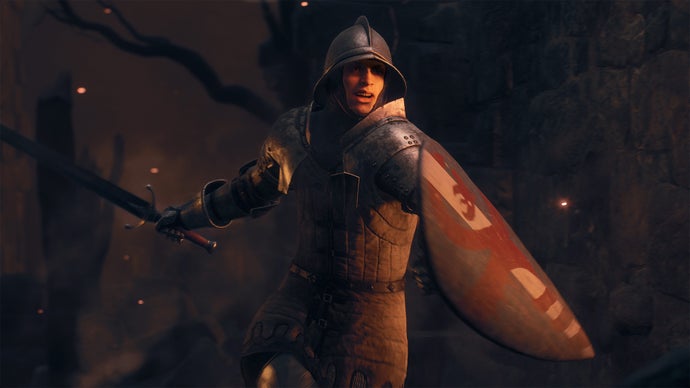
Capcom producers reveal a massive split in player feedback: Westerners love the game's friction, while Japanese fans find it inconvenient. Balancing these opposing views is a major development hurdle.
- Western players embrace 'friction' as a core part of the challenge.
- Japanese and Asian players often view these same mechanics as unwelcome inconveniences.
- Producers are struggling to balance global feedback to satisfy both demographics.
Dragon's Dogma 2 has become a fascinating case study in the global gaming industry. The very elements that make the game a beloved masterpiece in the West—its refusal to 'hold the player's hand'—are viewed through a completely different lens in its home country of Japan. This cultural divide is creating a unique challenge for developers at Capcom.
The Clash of Feedback
In a recent interview with Famitsu, producer Yoshiaki Hirabayashi revealed the sheer scale of the discrepancy in player expectations. He noted that when categorizing feedback by volume, the most critical issues raised by Japanese fans were often the exact opposite of what Western players were requesting. This creates a paradoxical development environment where satisfying one region may alienate another.
Co-producer Naoto Oyama elaborated on this, pointing out that while Westerners often celebrate 'friction'—the intentional difficulties that arise from complex mechanics—Asian players tend to be less positive about being inconvenienced during their journey. This distinction is crucial for the future of RPG design in a globalized market.
Why This Matters
BozokMedia analysis shows that as gaming becomes a truly global phenomenon, the 'cultural nuance' of gameplay mechanics is becoming as important as technical performance. Developers can no longer design in a vacuum; they must navigate the psychological preferences of diverse player bases to achieve universal success.
The goal isn't to create inconvenience, but to foster a profound sense of accomplishment.
Hirabayashi clarified that the developers do not view 'intentional friction' as the core identity of the game. Instead, they focus on the sense of accomplishment. He used the example of climbing a mountain: while using transport is easier, reaching the summit on foot provides a much more rewarding experience. The friction is meant to be the catalyst for that reward, not an end in itself.
To address these concerns, Capcom has already released updates to refine the Dragonsplague system and improve the ease of fast travel. With the upcoming Dark Arisen expansion on the horizon, the studio remains focused on finding that elusive middle ground between challenging realism and player accessibility.
Frequently Asked Questions
1. What is 'friction' in game design?
It refers to mechanics that add difficulty or complexity, preventing a seamless, 'easy' experience to increase immersion and challenge.
2. How is Capcom responding to these complaints?
Capcom has implemented updates to improve fast travel and balance certain systems like the Dragonsplague to better accommodate player needs.


