Tim Schafer addresses the criticism surrounding Double Fine's niche gaming approach, asserting that the studio's creative choices are aimed at mass market appeal, not guaranteed losses.
- Double Fine CEO Tim Schafer denies claims that the studio intentionally pursues unprofitable projects.
- The debate highlights the tension between 'art house' gaming and mass-market commercial success.
- The studio is exploring ports and remasters while developing future titles.
In the wake of significant restructuring at Xbox, including massive layoffs and shifting strategies for Game Pass, the spotlight has fallen on Double Fine. As one of the more idiosyncratic studios within the Xbox portfolio, questions have long persisted regarding whether their creative freedom leads to commercially underwhelming results.
During a recent interview with Bloomberg, Double Fine founder and CEO Tim Schafer pushed back against the narrative that the studio prioritizes niche, 'art house' projects at the expense of financial stability. "We never actively tried to make a game we thought was going to lose money," Schafer stated firmly, addressing the skepticism surrounding their recent releases.
Why This Matters
BozokMedia analysis shows that this tension is emblematic of the broader struggle within the subscription-based gaming model. While Game Pass aimed to diversify libraries to attract non-traditional gamers, the actual conversion of niche titles into mass-market hits remains a complex challenge for industry leaders.
The boundary between high-concept artistry and commercial viability is where the next era of gaming will be defined.
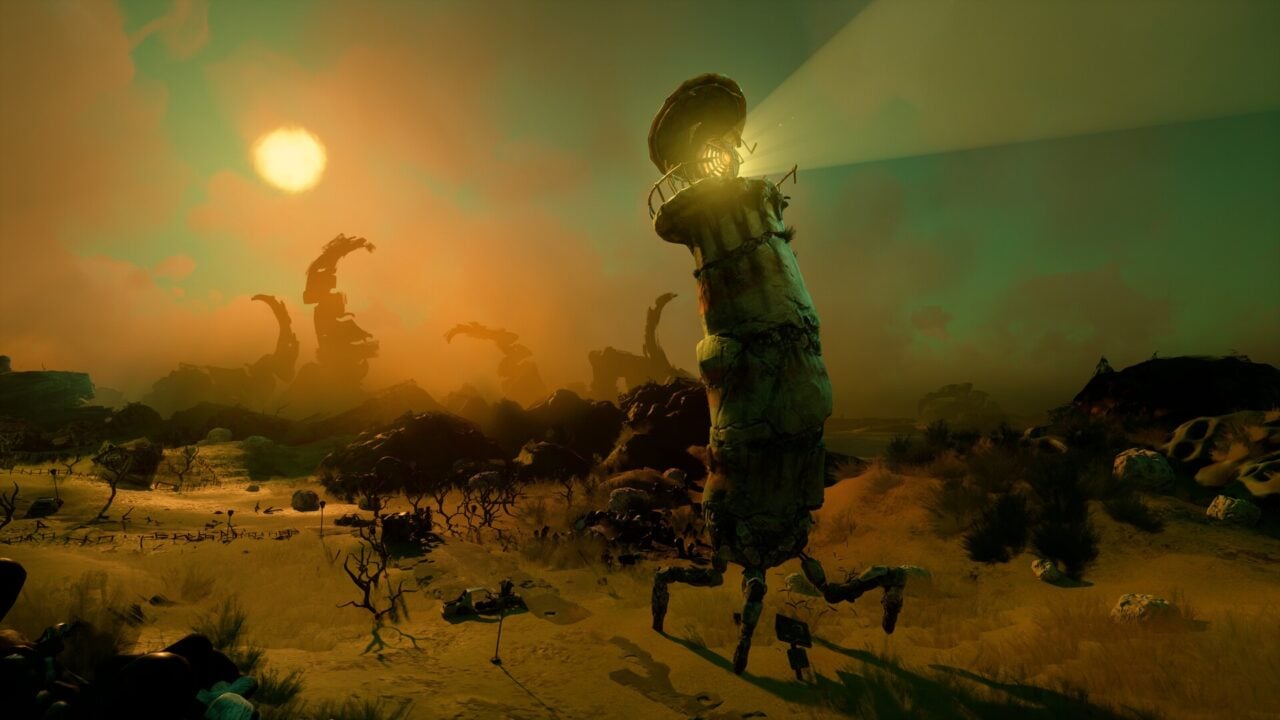
Schafer argues that games like Keeper possess significant mass-market potential, suggesting that the issue lies not in the game's appeal, but in reaching the right audience. He believes that with the right exposure, these unique experiences could achieve widespread popularity, much like the phenomenon of 'Lighthouse Fever.'
As the studio navigates this period, Double Fine is diversifying its approach. While incubating new intellectual properties, the team is actively looking for opportunities in ports and remasters to maintain stability. This strategic pivot is particularly notable following the shadow-drop of Keeper on PlayStation 5, indicating a move toward platform neutrality to find its ideal audience.
Frequently Asked Questions
Question 1: Is Double Fine still part of the Xbox ecosystem?
While part of the portfolio, the studio is actively expanding its reach to other platforms like PlayStation 5.
Question 2: What is the future plan for Double Fine?
The studio is currently working on remasters and ports while developing its next generation of creative projects.


