An exploration of the ethical complexities in The Blood of Dawnwalker, where players must decide how to satisfy a vampire protagonist's hunger without losing his soul.
- Protagonist Coen struggles with his vampiric hunger while trying to remain heroic.
- Players can choose between feeding on humans or animals to maintain a moral compass.
- The game eschews traditional 'morality meters' for a more psychological approach to consequence.
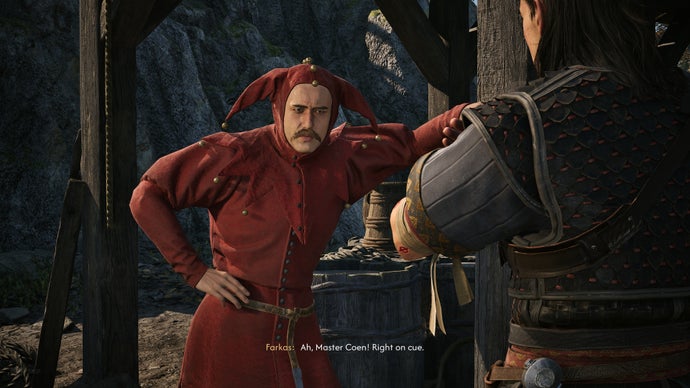
In the dark and visceral world of The Blood of Dawnwalker, the protagonist Coen faces a struggle that is as much internal as it is external. As a half-man, half-vampire farmboy, Coen’s survival depends on a constant supply of blood. However, for a player attempting to maintain a shred of morality, the method of procurement becomes a haunting ethical quagmire.
Driven by a personal desire to keep Coen's conscience relatively clean, I have opted for an 'ethical munching' strategy. Instead of draining innocent villagers, I have forced him to forage in the wilderness, draining the life from rats, deer, and goats. While this prevents human casualties, it comes at a psychological cost to the character. Coen often reacts with visible disgust, muttering that such acts are "not a nice thing to do."
Why This Matters
BozokMedia analysis shows that The Blood of Dawnwalker represents a sophisticated shift in RPG design. Unlike titles such as Red Dead Redemption, which use overt honor notifications, or other RPGs that utilize 'Good vs. Evil' gauges, this game remains silent. It refuses to judge the player through UI elements, forcing the moral weight of every kill to rest solely on the player's conscience.
By removing the safety net of a morality meter, the game transforms gameplay decisions into genuine personal dilemmas.
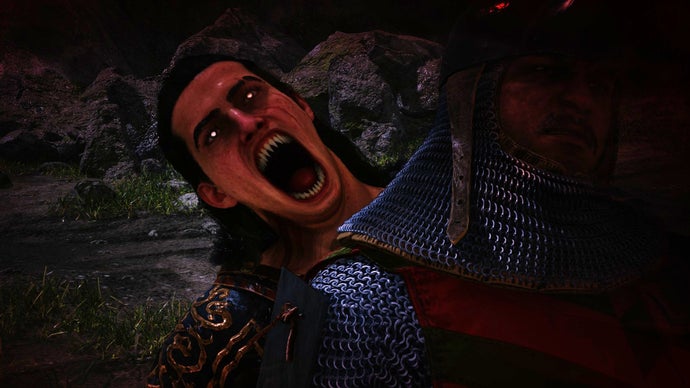
The temptation to succumb to Coen's vampiric nature is immense. His vampire form offers significant combat advantages, especially given the high-stakes 30-day ultimatum imposed on his quest. This power is seductive; it is much easier to drain a defeated soldier mid-combat than to hunt for a rodent in the woods. The game creates a tension between mechanical efficiency and narrative integrity.
Ultimately, the experience of The Blood of Dawnwalker is one of constant confrontation. Whether you choose to retreat into the shadows of the wilderness to hide your nature or embrace the bloodlust to gain power, the game ensures you feel the weight of Coen's descent. It is not a journey of triumph atop a mountain of glory, but a haunting march through a landscape of moral compromise.
Frequently Asked Questions
1. Does feeding on animals provide enough health for combat?
Yes, finding animals in the wilderness is a viable, albeit less efficient, way to maintain Coen's health.
2. Is there a way to play as a purely 'good' character?
While you can avoid human blood, the game's narrative suggests that Coen's nature makes true purity nearly impossible.