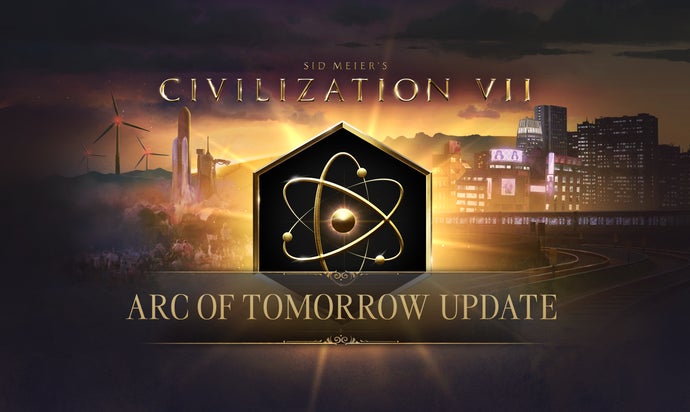
The upcoming 'Arc of Tomorrow' update for Civilization 7 promises to transform the 4X experience by introducing sophisticated nuclear mechanics and proxy warfare through city-states.
- 'Arc of Tomorrow' will extend the gameplay timeline from the 1950s into the near future.
- A new 'one-turn delay' in nuclear strikes introduces a strategic defense window.
- Players can utilize City-States for proxy wars to avoid direct nuclear escalation.
- New economic and cultural systems, including enriched uranium and film production, are coming.
The strategy gaming landscape is bracing for a massive shift as Firaxis Games reveals details about the Civilization 7 update, titled 'Arc of Tomorrow'. Scheduled for release in 2027, this update aims to elevate the atomic age from a simple technological milestone to a complex, high-stakes geopolitical era.
According to Game Director Matt Owens, previous iterations of the franchise often treated nuclear weapons as a 'win button'—once a player researched them, the game often reached a predictable conclusion. 'Arc of Tomorrow' seeks to change this by creating a more even playing field where all major powers possess nuclear capabilities, sparking intense arms races.
Why This Matters
BozokMedia analysis shows that by introducing tactical delays and indirect warfare, the developers are moving away from mindless destruction toward meaningful diplomacy and risk management. This evolution ensures that the late-game remains engaging rather than becoming a foregone conclusion.
The introduction of a response window in nuclear combat transforms the endgame from a sprint toward destruction into a tense chess match of deterrence.
A pivotal mechanic in this update is the reimagining of Mutually Assured Destruction (MAD). Unlike previous games where a strike was instantaneous, 'Arc of Tomorrow' implements a one-turn delay. This allows the targeted player to activate defenses or launch a retaliatory strike, making the decision to go nuclear a terrifyingly calculated risk rather than a simple offensive move.
Furthermore, the update revives and expands the Loyalty system from Civilization 6. Players can now manage internal dissent by recognizing the independence of disloyal territories, turning them into City-States. These states can act as puppets, allowing empires to engage in Proxy Wars. This allows players to fight smaller, intense conflicts using tanks and helicopters without necessarily triggering a global nuclear holocaust.
Frequently Asked Questions
1. How does the new nuclear mechanic work?
It introduces a one-turn delay between a launch and impact, allowing opponents time to respond or defend.
2. What are Proxy Wars in Civ 7?
Proxy wars allow players to prompt nearby City-States to fight each other, enabling indirect conflict.
| Feature | Previous Civ Iterations | Arc of Tomorrow (Civ 7) |
|---|---|---|
| Nuclear Strike | Instant destruction | One-turn response window |
| Conflict Style | Direct Empire vs Empire | Proxy wars via City-States |
| Economic Depth | Basic resource gathering | Advanced commodities (e.g., Enriched Uranium) |