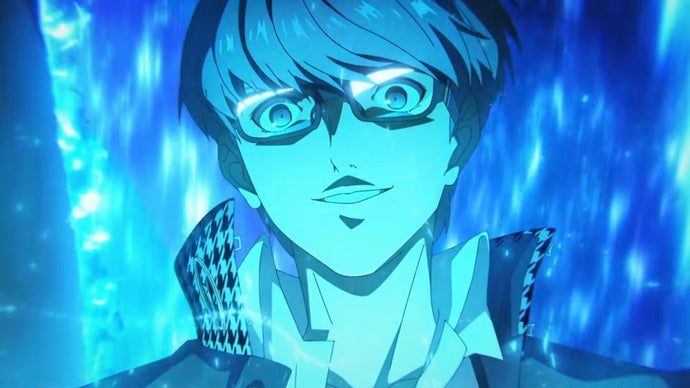
The highly anticipated Persona 4 Revival aims to bridge the gap between nostalgic fans and new players. Series producer Kazuhisa Wada discusses the mission to preserve the essence of the original while modernizing the experience.
- Persona 4 Revival preserves the core narrative while delivering high-fidelity modern graphics.
- Producer Kazuhisa Wada emphasizes capturing the 'essence' to satisfy both veterans and newcomers.
- The combat system has been updated to meet modern standards, similar to Persona 5 Royal.
In the realm of role-playing games, few titles carry the weight of Persona 4 Golden. It was the moment the series truly found its soul, blending mechanical precision with profound thematic depth. Now, with Persona 4 Revival, the franchise is preparing to step back into the misty streets of Inaba, promising an experience that honors its legacy while embracing the future of gaming technology.
The core of the Persona experience has always been the duality of the self. As Yu Narukami, players navigate the mundane life of a transfer student while simultaneously battling 'Shadows' in a metaphysical realm. These Shadows are not just monsters; they are the repressed, often painful manifestations of the characters' true selves. Witnessing characters like Yosuke confront the mask of the 'class clown' to face his deep-seated fear of loneliness provides a level of psychological storytelling rarely seen in the genre.
Why This Matters
BozokMedia analysis shows that the success of the Persona remake strategy hinges on emotional resonance rather than just visual upgrades. By focusing on the 'essence' of the characters' internal struggles, Atlus is positioning Persona 4 Revival not just as a nostalgic trip, but as a relevant contemporary narrative that speaks to the human condition of self-acceptance.
"We wanted this to be an excellent entry point for those who want their first taste of the game, but in order to do that, we need to get to the essence of what made Persona 4 great." — Kazuhisa Wada
Visually, the transformation is staggering. The original's distinct art style has been elevated with the same fidelity found in Persona 5 Royal. This ensures that the vibrant, stylized world of Inaba looks breathtaking on modern hardware. Furthermore, the combat system—once criticized for being dated—has undergone a significant overhaul. While the turn-based rhythm remains, the 'stressful' and clunky elements have been smoothed out to match the polished standards of Persona 3 Reload.
The social aspect of the game, known as Social Links, remains a cornerstone of the gameplay. These relationships serve a dual purpose: deepening the narrative connection between Yu and his peers, and providing tangible combat benefits. The writing remains uncompromising, delving into the uncomfortable realities of envy, loneliness, and the struggle to be authentic in a world of social masks.
| Feature | Original Persona 4 | Persona 4 Revival |
|---|---|---|
| Graphics | PS2/Vita Era | Modern High-Fidelity |
| Combat System | Classic Turn-Based | Modernized/Streamlined |
| Narrative Focus | Character Identity | Character Identity (Preserved) |
Frequently Asked Questions
1. Will the story of Persona 4 Revival be different from the original?
According to Wada, the story and characters remain exactly as they were, with only minor script refinements for clarity.
2. Is the combat system easier in the remake?
It is designed to be more fluid and less frustrating by removing outdated mechanical hurdles, though the tactical depth remains.


