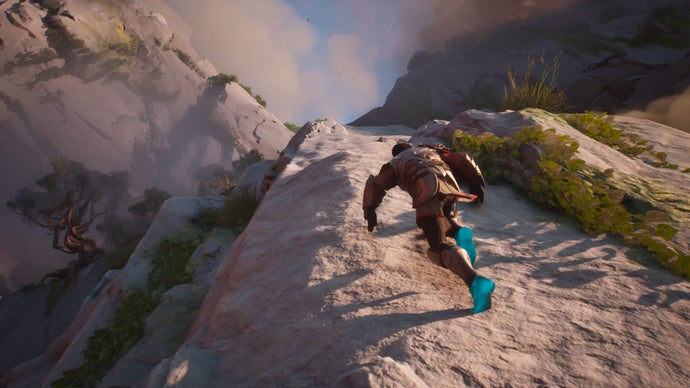
ArenaNet is redefining the MMO landscape with Guild Wars 3, swapping traditional tab-targeting for visceral, action-oriented combat and parkour-style movement. The upcoming title promises a seamless open world that blends solo exploration with dynamic group play.
- Guild Wars 3 features action-game combat including wall-running, gliding, and momentum-based attacks.
- The game is a prequel set 1,200 years before the original Guild Wars timeline.
- Combat is designed for smaller, more intimate scales, moving away from the massive raids of Guild Wars 2.
- The world is a giant open environment utilizing dynamic instancing for player encounters.
ArenaNet has finally pulled back the curtain on Guild Wars 3, and while much of the game's economy, professions, and mounts remain shrouded in mystery, the core gameplay loop is nothing short of revolutionary. Moving away from the static, cooldown-managed combat typical of the MMO genre, the new title introduces a high-mobility system that feels more akin to Prince of Persia or The Legend of Zelda: Breath of the Wild than a traditional fantasy RPG.
During a recent demonstration in the verdant plains of Ancient Orr, combat designer Kevin Stocker showcased the game's verticality. Players are no longer tethered to stairs or predefined paths; instead, they can sprint up walls, mantle cliffs, and wall-run across gaps. This fluidity extends directly into combat, where momentum is a key mechanic. For instance, diving from a glider into a sword strike increases both the damage and the area of effect, blending traversal with aggression.
Why This Matters
BozokMedia analysis shows that ArenaNet is attempting to solve the 'mechanical fatigue' common in long-term MMOs. By shifting toward a visceral action system, they are targeting a younger generation of gamers who prefer precision and skill-based movement over spreadsheet-style stat management. This pivot represents a massive engineering gamble, as supporting high-speed, physics-based combat in a multiplayer environment requires immense server-side precision.
"The shift from tab-targeting to momentum-based action combat is the most significant evolution in the MMO space since the transition to 3D worlds."
The game also introduces innovative cooperative mechanics. In one demo, a player used a shield to launch a teammate into the air, allowing them to bypass an enemy's defenses and strike a critical weak point. This synergy suggests that while the scale of combat is smaller, the depth of interaction between players is significantly higher than in previous installments.
Historically, the series has fluctuated between extremes. The original Guild Wars relied on instanced worlds and small groups, while Guild Wars 2 embraced massive, hundred-player world events. Guild Wars 3 seeks a middle ground: a giant open world where players roam freely and encounter others dynamically, similar to the structure seen in Fallout 76.
| Feature | Guild Wars 2 | Guild Wars 3 |
|---|---|---|
| Combat Style | Ability Cooldowns/AoE | Visceral Action/Momentum |
| Movement | Standard RPG Travel | Wall-running/Gliding/Parkour |
| World Scale | Massive World v World | Dynamic Open World Instances |
| Timeline | Modern Era | 1,200 Years Before GW1 |
Frequently Asked Questions
Q: When is Guild Wars 3 being released?
A: ArenaNet has not yet announced a specific release date, as they are still keeping many core systems hidden.
Q: Will there be traditional raids in the game?
A: The developers have indicated that the 'sweet spot' for combat is around 20 players, suggesting a shift away from traditional massive-scale raid formats.