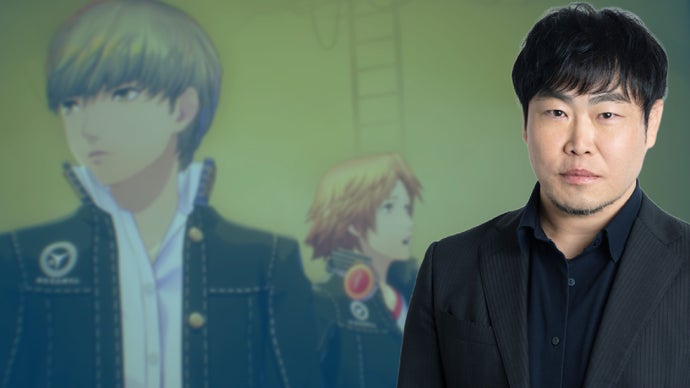
Series director Kazuhisa Wada discusses the delicate balance of remaking Persona 4, focusing on how the localisation team is refining problematic character tropes and sensitive storylines for a modern global audience.
- Atlus is using the localisation team to refine dialogue and clarify character intentions in Persona 4 Revival.
- Core character personalities remain unchanged, but problematic lines (especially for Yosuke) have been made 'gentler'.
- The development process now involves simultaneous global release planning to ensure high-quality translation.
- Character depth is being enhanced by integrating growth from previous spin-off titles.
The announcement of Persona 4 Revival, a comprehensive remake of the 2008 cult classic, has reignited a fierce debate within the gaming community. While the original title is beloved for its mystery and camaraderie, it has faced increasing scrutiny for its handling of sensitive topics, including stereotypes and the depiction of LGBTQ+ identities. Specifically, the character Yosuke Hanamura has been criticized as a 'teenage pervert' stereotype, while other storylines involving gender identity have been labeled as clumsy or regressive.
In a recent interview at Gamescom, series director Kazuhisa Wada addressed these concerns, emphasizing that the solution lies not in erasing the past, but in precise communication. Wada clarified that while the core essence of the characters remains untouched, the team has revisited the script to eliminate ambiguity. By tweaking phrasing and providing more context, Atlus aims to ensure that character intentions are portrayed more effectively than they were in the original 2008 release.
Why This Matters
BozokMedia analysis shows that Atlus is shifting from a 'Japan-first' mentality to a 'Global-simultaneous' strategy. This is not merely a logistical change but a creative one. By involving localisation teams in the earliest stages of script development, Atlus is attempting to bridge the cultural gap between Japanese writing and Western sensibilities, reducing the risk of 'cack-handed' translations that previously sparked outrage.
The success of a remake depends not on how much you change, but on how well you translate the original intent for a contemporary social climate.
The director also revealed that the characters in Persona 4 Revival will benefit from the evolution seen in spin-offs like Persona 4 Arena and Dancing All Night. This added depth is particularly focused on characters like Yosuke and Kanji, allowing the remake to present more mature versions of these personalities without altering the plot's foundation.
Comparing the development cycles of previous titles reveals a significant shift in Atlus's operational philosophy:
| Feature | Old Approach (P5) | New Approach (P3 Reload / P4 Revival) |
|---|---|---|
| Release Timing | Japan First, then Global | Simultaneous Worldwide Release |
| Localisation | Post-production pivot | Integrated from early script phase |
| Character Depth | Static original design | Informed by spin-off evolution |
Despite these improvements, some fans remain skeptical. The tension between those wanting a 'pure' 1:1 restoration and those demanding a socially conscious revision creates a difficult tightrope for Wada to walk. Whether 'gentler' dialogue will be enough to satisfy a modern audience remains the central question surrounding the project.
Frequently Asked Questions
Will the core story of Persona 4 change in the remake?
No, Director Kazuhisa Wada stated that the core of the characters and the main events remain the same, with only dialogue tweaks for clarity and tone.
How is the localisation process different this time?
Localisation teams are now involved in discussions from the very beginning of the scenario writing process to ensure a holistic global vision.