An analysis of 'The Blood of Dawnwalker' reveals a recurring problem in gaming: the 'power fantasy' overshadows the actual horror of vampirism. The author argues for a systemic survival simulation where being a vampire is a genuine struggle for existence.
- The Blood of Dawnwalker prioritizes power fantasies over the narrative struggle of vampirism.
- Modern RPGs often ignore the systemic drawbacks and folklore-based weaknesses of vampires.
- There is a growing demand for a 'survival sim' approach to vampire gaming rather than a combat-focused RPG.
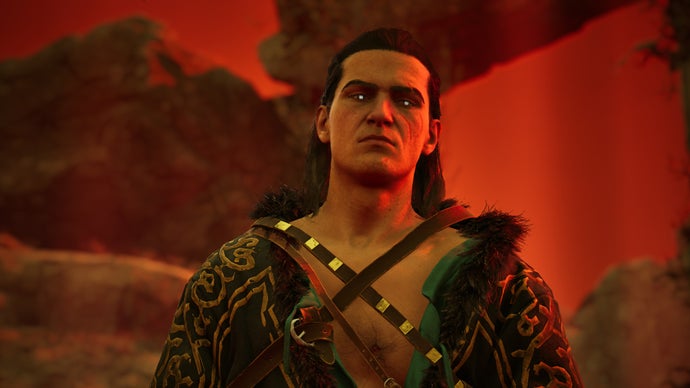
In the opening act of the beWitchering RPG The Blood of Dawnwalker, the protagonist, Coen, undergoes a transformation into a vampire. Narratively, Coen is devastated, spending significant dialogue sequences lamenting his lost humanity and the 'curse' of his new existence. However, as players dive into the mechanics, a stark ludonarrative dissonance emerges. While the character moans about inner corruption, the player is gifted with the ability to teleport, walk up walls, and boil enemies from the inside out.
The irony is that Coen doesn't even face the traditional burdens of the undead. He is a hybrid—a 'Best of Both' version—meaning he can navigate the daylight world without the risk of spontaneous combustion. For the player, the 'curse' is merely a cosmetic skin over a suite of overpowered abilities. This trend is prevalent across the genre, where immortality is framed as a burden in dialogue but presented as a cheat code in gameplay.
Why This Matters
BozokMedia analysis shows that the gaming industry has leaned too heavily into the 'power fantasy' trope. By removing the friction and vulnerability associated with being a monster, developers strip away the tension that makes gothic horror effective. When a vampire is simply a 'super-soldier with fangs,' the psychological horror of alienation and desperation is lost.
The true appeal of the vampire myth isn't the power to dominate, but the tragedy of existing as a predator who is simultaneously the most hunted creature in the room.
The author posits a vision for a true Vampire Survival Sim. Instead of a high-action RPG, imagine a game where the player is a feral, terrified cadaver living in the gutters. In this hypothetical sandbox, the environment itself is the enemy. Folklore-based deterrents—garlic, crucifixes, running water, and even juniper berries—would act as systemic obstacles rather than scripted plot points. Survival would require strategy, stealth, and misdirection rather than simply leveling up a skill tree.
Comparing this to existing titles reveals a gap in the market. Vampire: The Masquerade – Bloodlines attempted to balance the social masquerade with monstrous nature, but it still provided a community of clans. Vampyr offered a plague-ridden London, yet it remained a third-person brawler shackled by a linear plot. Neither captures the raw, isolated desperation of a creature truly at odds with the world.
| Game | Core Focus | Vampire Experience |
|---|---|---|
| The Blood of Dawnwalker | Power Fantasy | Overpowered abilities, minimal drawbacks. |
| VTMB: Bloodlines | Social Intrigue | Clan politics and maintaining a secret identity. |
| Vampyr | Moral Dilemma | Combat-heavy with narrative consequences. |
| The 'Dream' Sim | Systemic Survival | Extreme vulnerability, folklore-based hazards. |
Ultimately, the yearning is for a game where power is earned through bitter effort and cunning, not granted by a menu. A game where the sun is a death sentence and a torch-wielding mob is a genuine existential threat would breathe new life into a genre that has become too comfortable with its own immortality.
Frequently Asked Questions
Q: What is ludonarrative dissonance in The Blood of Dawnwalker?
A: It is the conflict between the story (Coen hating being a vampire) and the gameplay (the player loving the overpowered vampire abilities).
Q: Which existing games come closest to a vampire survival experience?
A: Vampire: The Masquerade – Bloodlines and Vampyr explore aspects of the lifestyle, but they focus more on RPG elements than raw survival.