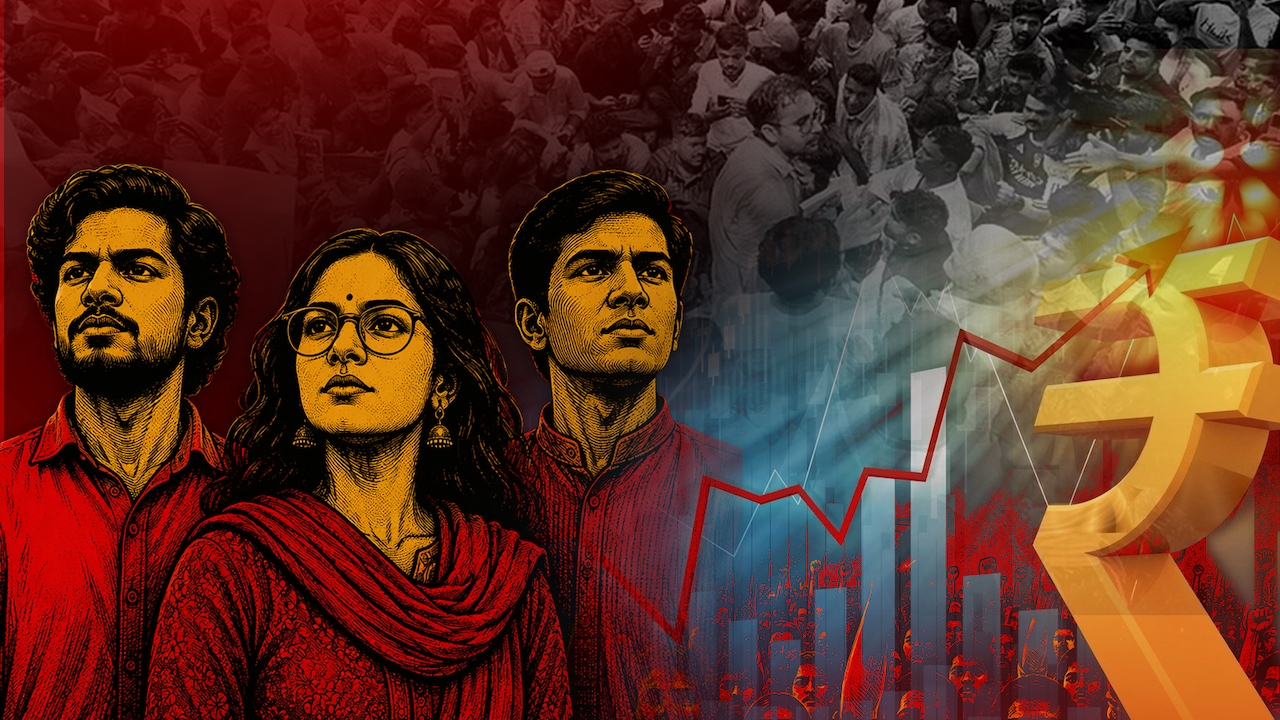
The IMF reports that social unrest undermines consumer confidence, business sentiment, and investor behavior, disrupting economic activity. While large‑scale protests are rare, they tend to cluster and trigger significant economic downturns.
Key Takeaways
- Unrest erodes consumer confidence
- Business sentiment and investor behavior suffer
- Major protests often coincide with economic slowdowns
IMF Findings on Social Unrest
The International Monetary Fund (IMF) has highlighted that any form of social unrest—whether localized or widespread—can depress economic activity. Declines in consumer confidence, a deteriorating business climate, and heightened investor caution are the primary transmission channels.
Historical Episodes of Large‑Scale Protests
From the 1968 global uprisings to the Arab Spring of 2011 and the wave of demonstrations in 2020‑2021, history shows a pattern: major protests frequently precede slower GDP growth, rising unemployment, and volatile financial markets.
Why This Matters
BozokMedia analysis shows that understanding the economic fallout of protests helps policymakers design pre‑emptive measures, safeguarding growth and social stability.
"The economic ripple effects of unrest can reshape long‑term investment decisions," notes financial analyst Dr. Anjali Mehta.
Frequently Asked Questions
Question 1: Can small‑scale protests also cause economic damage?
Answer: Yes, if they dent consumer sentiment, even modest unrest can trigger a slowdown.
Question 2: What can governments do to mitigate economic loss?
Answer: Prompt dialogue, social safety nets, and targeted stimulus packages can help contain the fallout.