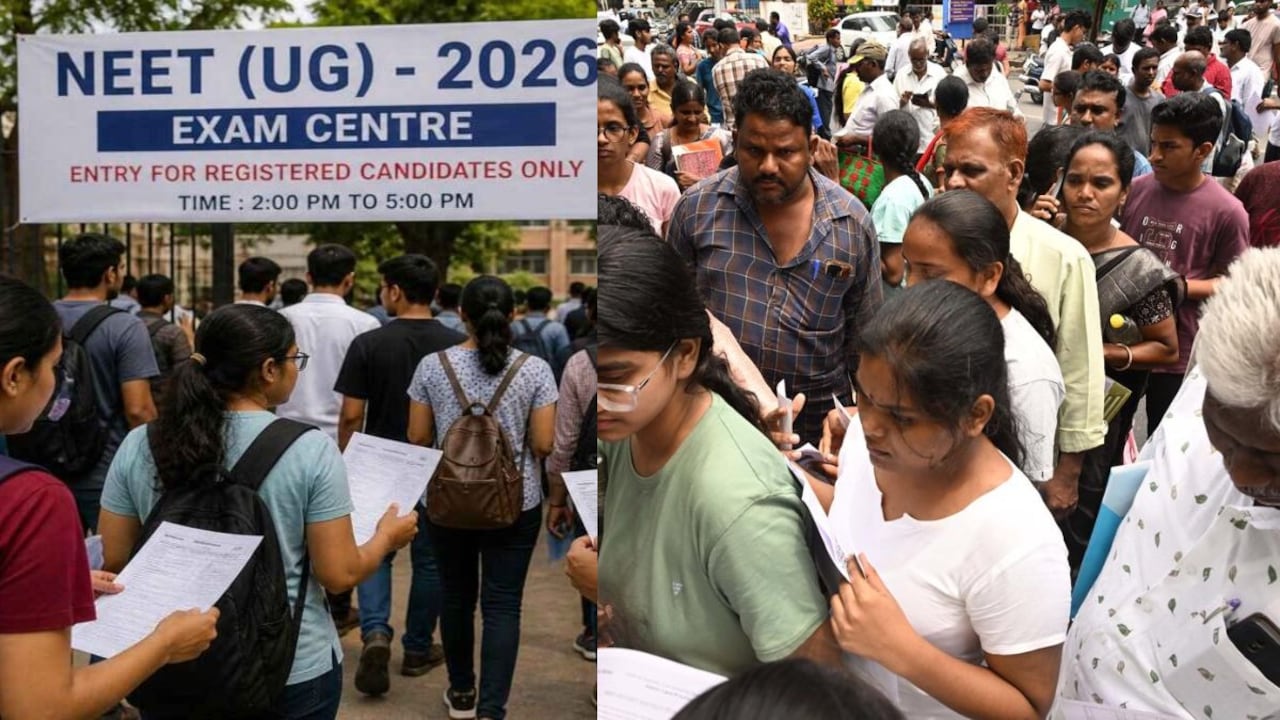
An investigation into the NEET‑UG 2026 exam revealed that specific physics, chemistry and biology questions were leaked before the test and sold to students for cash. The probe has so far led to 13 arrests, highlighting the involvement of exam‑related experts in the illicit network.
Key Takeaways
- Specific questions from Physics, Chemistry and Biology were leaked before NEET‑UG 2026.
- Students purchased the leaked questions, creating a cash‑driven black market.
- Thirteen individuals, including exam experts and intermediaries, have been arrested.
The preliminary findings confirm that selected questions from the Physics, Chemistry and Biology sections reached a select group of insiders before the examination day. Those insiders then passed the questions to students in exchange for money, generating profits of several lakhs of rupees.
Law enforcement conducted a wide‑ranging operation, resulting in the arrest of 13 suspects. The arrested include subject‑matter experts, coaching‑center collaborators, and a handful of proxies who facilitated the distribution.
Historical Background
NEET is India’s premier gateway to medical education. While isolated leaks have been reported in past years, the 2026 case stands out for its scale and the sophisticated financial transactions involved. Consequently, the central government has introduced stricter security protocols for upcoming exams.
Why This Matters
BozokMedia analysis shows that such leaks undermine merit‑based admission, erode public trust in competitive exams, and create an illegal market that exploits financially vulnerable aspirants.
"Exam question leaks are not merely an individual breach; they threaten the integrity of the entire educational ecosystem," says education analyst Dr. Arnav Sharma.
Frequently Asked Questions
Q1: Was the leak confined to a single state?
A: No, investigators found that the network spanned multiple states, earning it the label “multi‑state network.”
Q2: What steps are being taken to prevent future leaks?
A: The board plans to move the question bank to encrypted servers and reduce reliance on paper‑based question sets.