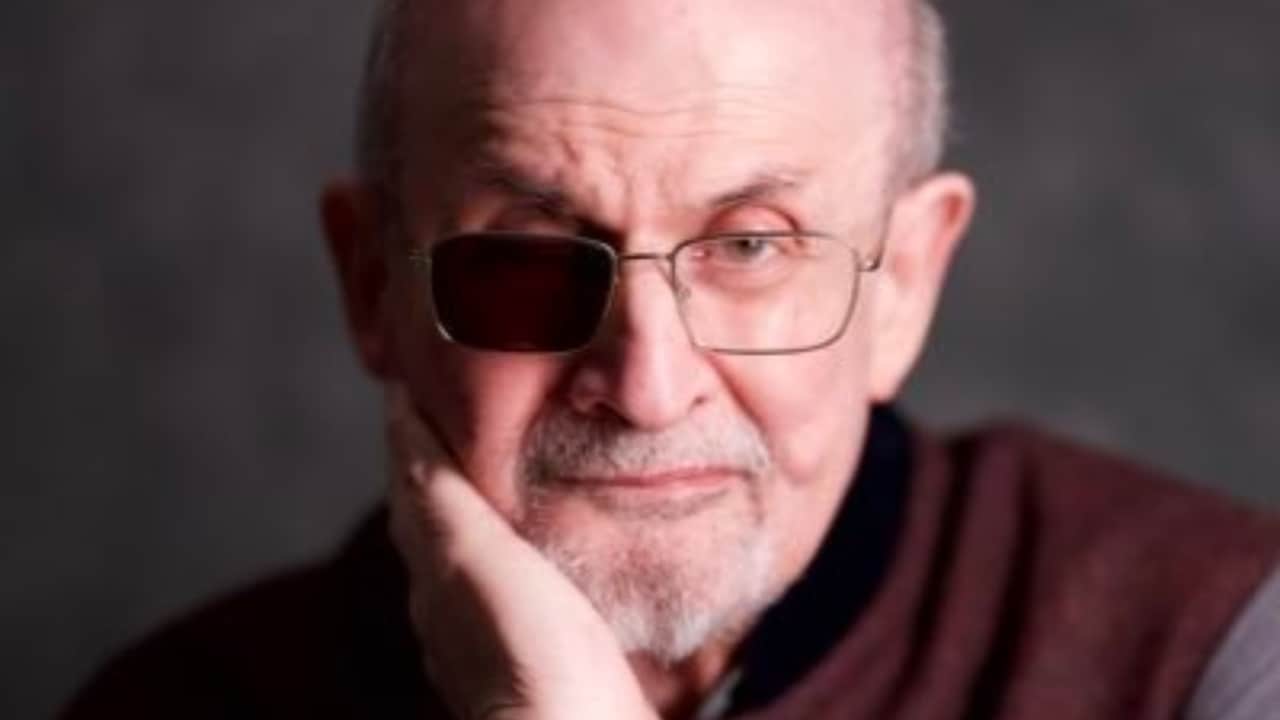
Renowned novelist Salman Rushdie appeared before a federal jury on Thursday to testify against the man who tried to stab him in a New York cultural centre in 2022. The testimony revisits his decade‑long seclusion in London following the 1989 fatwa.
Key Takeaways
- Rushdie testified against the 2022 knife attacker
- He spent ten years in seclusion in London after the 1989 fatwa
- The trial highlights US commitment to prosecuting politically motivated violence
New York, July 24, 2026 – Celebrated author Salman Rushdie took the stand Thursday in a federal courtroom, facing the defendant accused of attempting to kill him with a knife at a Manhattan cultural centre in 2022. His testimony shed light on the years he lived hidden away in London after the 1989 Iranian fatwa forced him into exile.
Historical Background
In 1989, Iran’s Ayatollah Khomeini issued a death sentence against Rushdie for his novel *The Satanic Verses*, prompting worldwide protests and threats. Rushdie relocated to London, where he remained largely out of the public eye for a decade, publishing only selectively while under constant security concerns. The fatwa was officially lifted in 1998, but the shadow of danger lingered.
Why This Matters
BozokMedia analysis shows that this trial not only tests the U.S. justice system’s handling of politically motivated violence but also serves as a barometer for global free‑speech protections in an era of rising extremist threats.
"Rushdie’s testimony humanizes the abstract battle over free expression, reminding us how words can ignite violent backlash," says human‑rights scholar Dr. Anita Malhotra.
Frequently Asked Questions
Q1: Did Rushdie sustain serious injuries from the 2022 attack?
A: Yes, he suffered a stab wound to the arm and minor facial injuries but survived.
Q2: What are the possible outcomes of the trial?
A: Prosecutors are seeking a life sentence, while the defense argues for a reduced term based on mitigating factors.