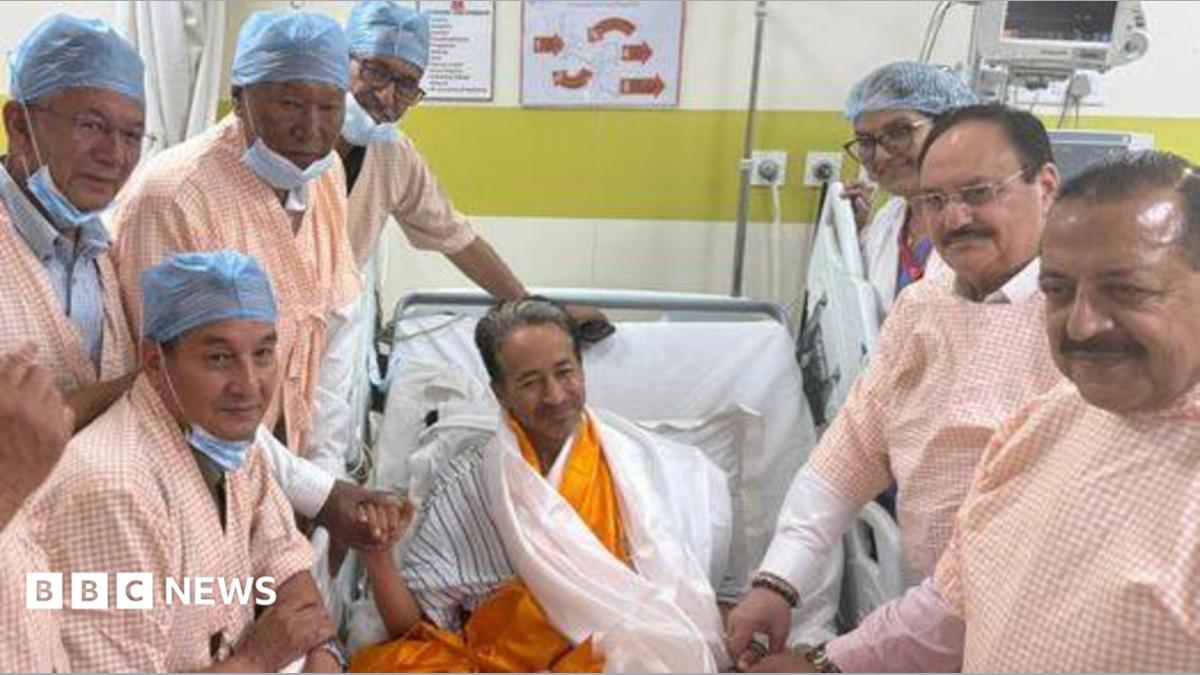
Activist Sonam Wangchuk, 59, has ended his 26‑day hunger strike supporting youth‑led education reform protests in India. He cited successful negotiations and a desire to prevent possible violence.
Key Takeaways
- 26‑day hunger strike concluded
- Continued support for education reform demands
- Negotiated settlement aimed at averting violence
Strike Overview
India’s prominent activist Sonam Wangchuk has called off his 26‑day hunger strike. The fast was launched to back youth‑led protests demanding sweeping education reforms and the resignation of the nation’s education minister.
In a post on X, Wangchuk explained that he ended the strike “after a long negotiation on various conditions” and emphasized the need to “avert possible violence in the country.” He noted that he had lost 11 kg but remained alive.
Historical Background
For months, India has witnessed massive demonstrations against the government’s education policy. The Cockroach Janta Party (CJP) and other student groups have called for the education minister’s resignation, arguing that current reforms undermine quality and accessibility. Wangchuk’s fast served as a symbolic gesture to amplify these demands.
Why This Matters
BozokMedia analysis shows that the activist’s withdrawal may ease tensions in Delhi’s protest corridors, but it also signals that the government’s response to education reform demands remains under intense scrutiny.
“The end of the strike is a positive sign, yet sustained public pressure will be essential for any substantive policy shift,” said a political analyst.
Frequently Asked Questions
Q1: Did Sonam Wangchuk meet any government officials during his strike?
A: Yes, he engaged in multiple rounds of talks with officials and protest leaders, which ultimately led to the strike’s conclusion.
Q2: What impact does the strike’s end have on the education reform movement?
A: The strike drew national attention to the cause, increasing pressure on policymakers, but concrete legislative changes are still pending.