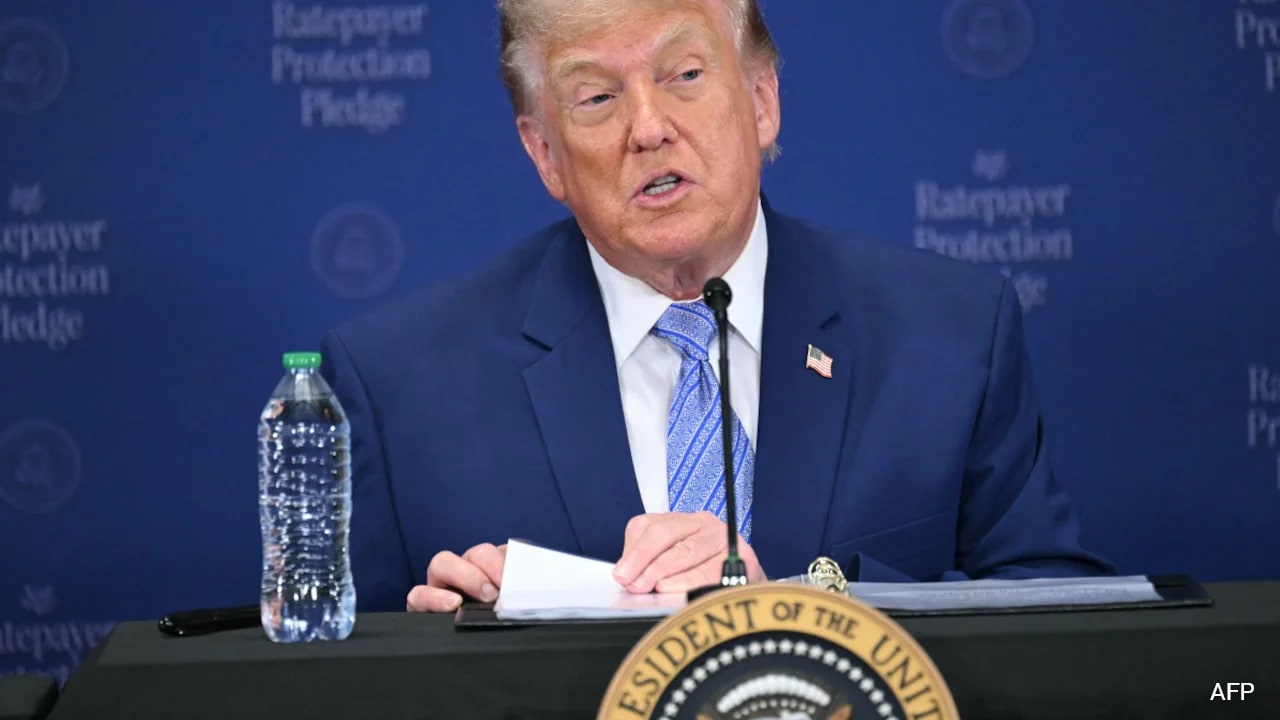
The United States announced fresh tariffs on 60 trading partners citing forced‑labor allegations. The move replaces the global duty introduced earlier by President Trump and marks a new enforcement stance.
Key Takeaways
- New tariffs imposed on 60 countries
- Based on forced‑labor concerns
- Replaces the expiring global duty
Announcement of the New Tariffs
On Thursday, the United States declared that it will levy fresh duties on 60 trading partners where forced‑labor allegations have been identified. The tariffs could reach up to 50 percent and will target goods linked to labor‑rights violations.
Ending Trump’s Earlier Policy
This action supersedes the global duty rolled out by President Donald Trump earlier this year, which was set to expire. Trump had also imposed 50‑percent tariffs on numerous Canadian products, intensifying trade tensions.
Countries Affected
The U.S. released a detailed list covering nations across Asia, Africa and Europe. While the overall tariff rate is high, the exact percentage will vary by product and country, subject to intensive inspections.
Historical Background
The U.S. stance on forced labor dates back to the 1990s, when anti‑child‑labor and anti‑human‑trafficking statutes were first enacted. Since the 2010s, trade tariffs have increasingly become a strategic tool to enforce human‑rights standards alongside economic objectives.
Why This Matters
BozokMedia analysis shows that these tariffs signal a shift toward using trade policy as a lever for human‑rights enforcement, potentially reshaping global supply chains and prompting other nations to tighten labor standards.
"Targeting forced labor through economic sanctions sets a powerful precedent for the international community," says trade policy expert Dr. Laura Mitchell.
Frequently Asked Questions
Will all 60 countries face the same tariff rate? No, rates will differ by country and product category.
Could this disrupt global trade? Experts warn of short‑term shocks, but anticipate long‑term improvements in labor standards worldwide.