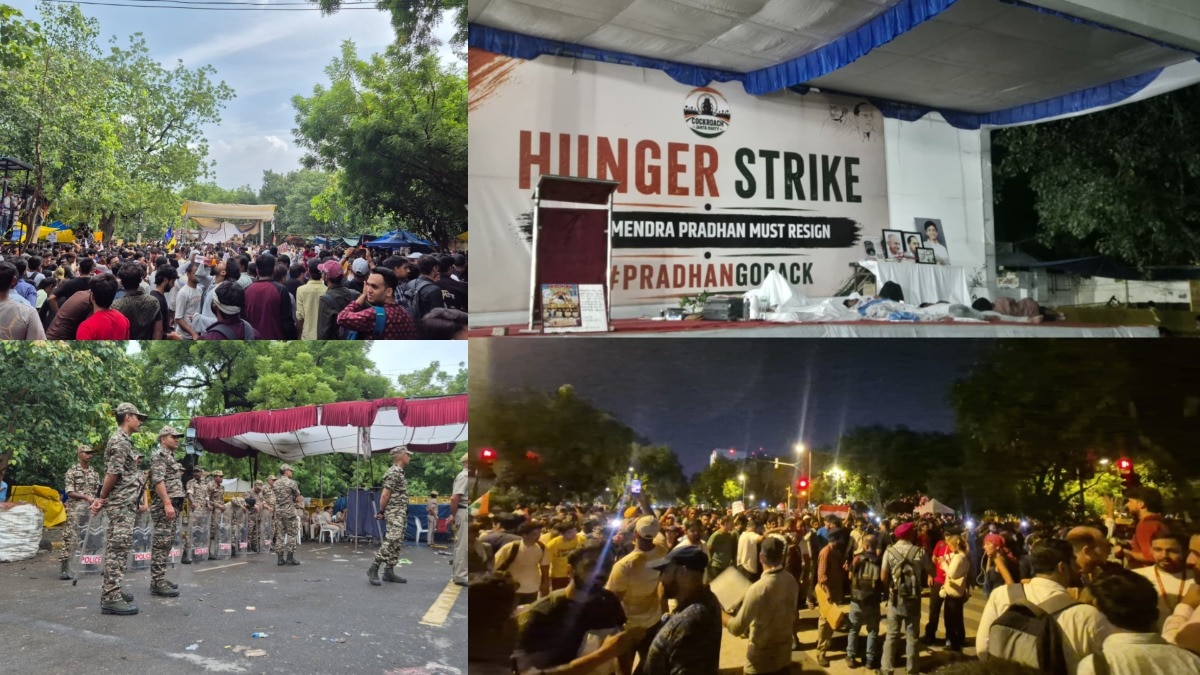
Since July 20, Jantar Mantar has undergone several notable upgrades. The author visited the site six times to document the alterations and assess their impact on visitors.
Key Takeaways
- New digital signage and wayfinding installed
- Timed entry slots introduced to manage crowds
- Selective closure of historic instruments for conservation
On July 20, authorities announced a major refurbishment of Jantar Mantar, Delhi’s iconic astronomical observatory. Since then, visitors have noticed fresh digital boards, enhanced security barriers, and upgraded visitor amenities.
Historical Background
Built in 1724 by Maharaja Sawai Jai Singh II, Jantar Mantar is one of the world’s largest stone astronomical instruments and a UNESCO World Heritage site. Over the decades, the complex has faced wear, occasional closures, and calls for better preservation.
Previous maintenance efforts, though essential, often disrupted tourist flow, leading to fluctuating visitor numbers.
Details of the Changes
State‑of‑the‑art digital information boards have replaced outdated paper signs, providing real‑time updates and multilingual guidance. A QR‑code based ticketing system at the main gate now allocates timed entry slots, reducing congestion during peak hours.
For conservation reasons, several large sundials and the massive Samrat Yantra are temporarily restricted, while new preservation technologies are being installed around them.
Why This Matters
BozokMedia analysis shows that these upgrades not only enhance the visitor experience but also reinforce Jantar Mantar’s standing on the global heritage stage.
"Balancing preservation with modern visitor services will keep Jantar Mantar vibrant for future generations," says a cultural heritage expert.
Frequently Asked Questions
Q1: Can I now view all the astronomical instruments?
A: Not all. Some are temporarily closed for conservation, though limited viewing areas remain accessible.
Q2: How does the new ticketing system work?
A: Visitors scan a QR code at entry, receive a timed slot, and gain smoother access with reduced crowding.