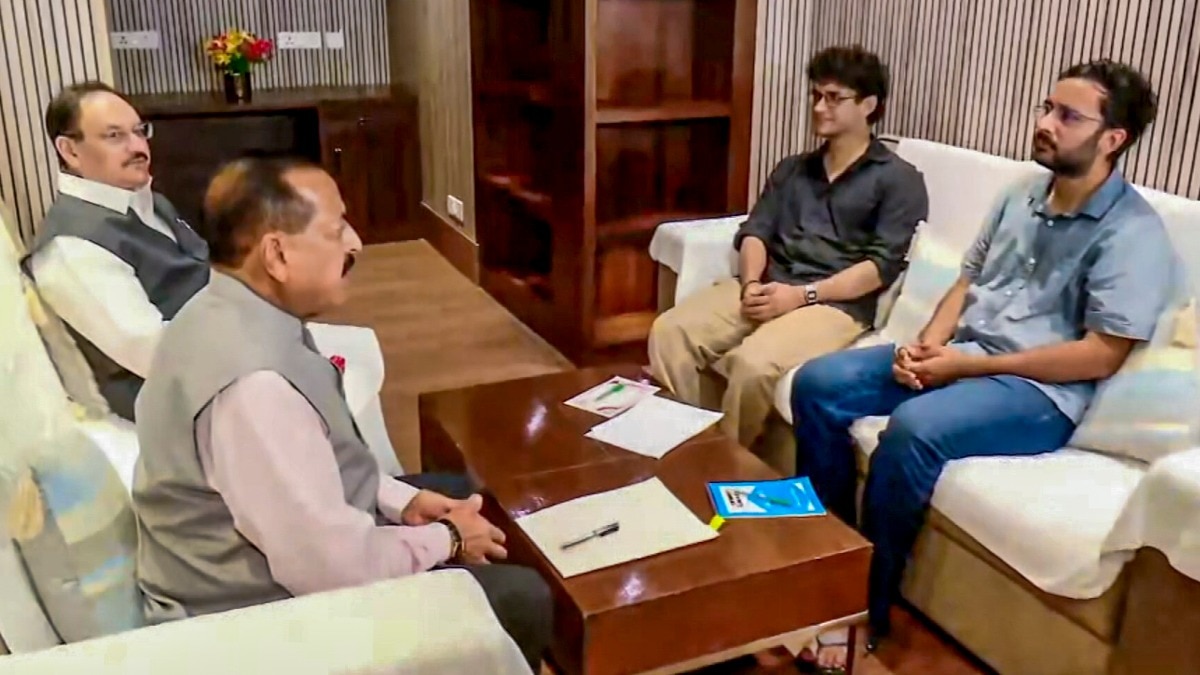
Over three rounds of talks, the government and the Chief Justice of Pakistan met to resolve judicial‑executive tensions, each session documented by a striking photograph that underscores the evolving dynamics.
Key Takeaways
- Three separate meetings were held between the government and the Chief Justice of Pakistan.
- Each meeting was captured in a distinct photograph that reflects the tone of the dialogue.
- The talks aimed to resolve mounting tensions over judicial appointments and case backlogs.
In a series of unprecedented negotiations, the federal government and the Chief Justice of Pakistan (CJP) convened three times over the past two months. The first meeting, held on March 5, focused on immediate steps to de‑escalate a high‑profile contempt case that had drawn public protests.
The second session, on April 12, shifted to longer‑term reforms, including proposals for a transparent judicial appointment process and measures to reduce case pendency. A stark photograph from this meeting shows the two leaders seated across a glass table, symbolising the fragile transparency being sought.
The third and final round, conducted on May 20, culminated in a joint statement pledging cooperation and outlining a timeline for implementing agreed reforms. The accompanying image captures a handshake, underscoring a tentative but hopeful resolution.
Historical Background
Relations between the executive and judiciary in Pakistan have historically been fraught, with notable confrontations in 2007, 2014, and 2022. These past crises have often resulted in public unrest and calls for constitutional safeguards.
Why This Matters
BozokMedia analysis shows that the visual documentation of these talks may influence public perception, reinforcing the narrative of a collaborative government‑judiciary partnership at a time when trust in institutions is waning.
"Photographs can serve as powerful diplomatic tools, shaping both domestic and international narratives," says constitutional law expert Dr. Ayesha Khan.
Frequently Asked Questions
Q1: What were the main outcomes of the three meetings?
A: A joint statement, a roadmap for judicial reforms, and a commitment to resolve pending cases.
Q2: How will these reforms be monitored?
A: An independent oversight committee comprising senior judges and government officials will be established.