From the 1993 Yash Pal Committee to the 2026 examination‑security task force, ISRO scientists have consistently led India’s biggest education overhauls. The latest push focuses on technology‑driven exam integrity.
Key Takeaways
- ISRO scientists have led major education reforms since 1993.
- The 2026 task force is headed by former ISRO chief S. Somanath.
- Technology is positioned as the solution to exam paper leaks.
India’s space agency, ISRO, is emerging as the go‑to institution for sweeping education reforms, a trend that began with the Yash Pal Committee in 1993 and continues with the 2026 examination‑security task force.
Historical Background
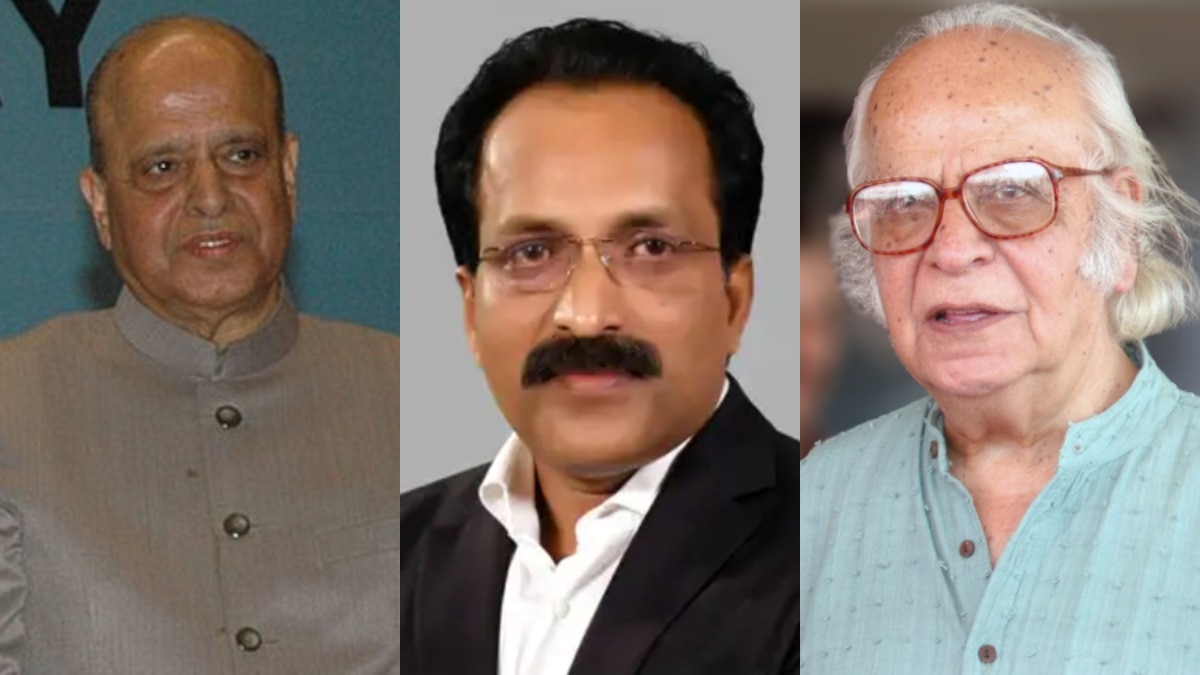
In 1993, Prof. Yash Pal, a former ISRO scientist, chaired a committee that produced the landmark “Learning Without Burden” report, advocating a shift away from rote learning. His recommendations paved the way for later curriculum reforms, including the National Curriculum Framework 2005.
Two decades later, former ISRO chief K. Kasturirangan steered the drafting of the National Education Policy 2020, introducing multidisciplinary studies, skill‑based learning, and flexible assessment structures. His neutral, academically credible stance made him a preferred choice for the government.
Why This Matters
BozokMedia analysis shows that the repeated reliance on ISRO scientists underscores a trust in data‑driven, systematic problem‑solving, especially critical as India grapples with over‑100 alleged paper‑leak incidents in the past eight years.
“Embedding space‑technology expertise into education policy ensures rigorous, scalable solutions to systemic challenges,” says Dr. Ananya Rao, education technology analyst.
Current Task Force
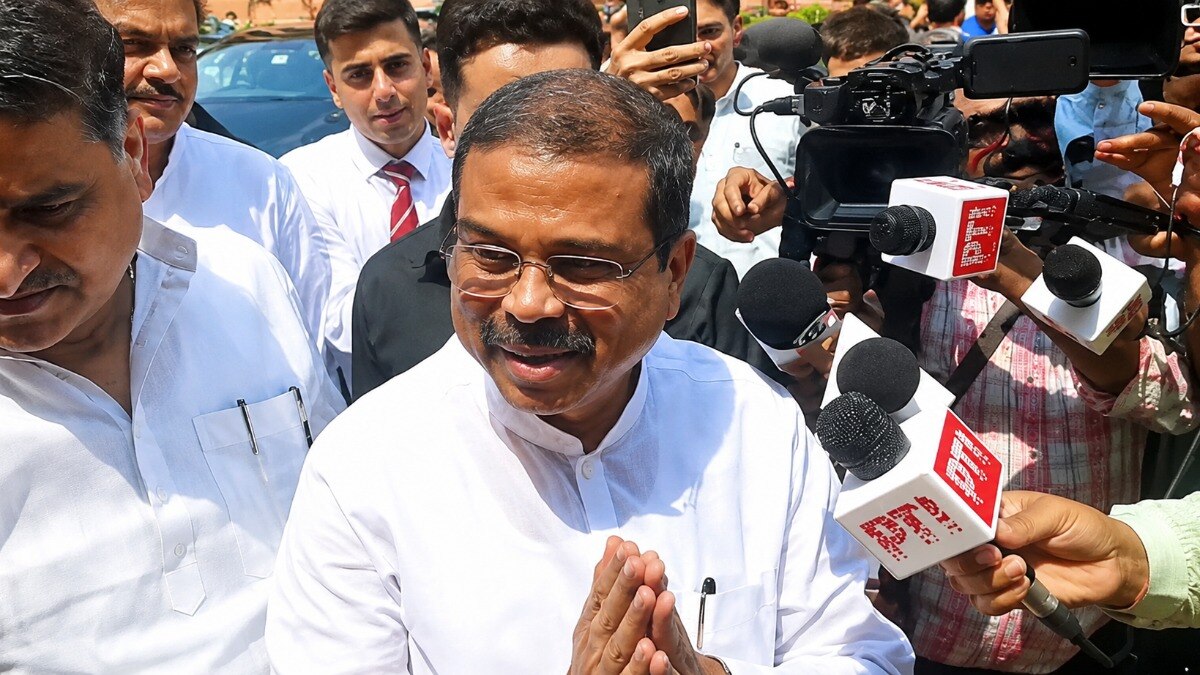
Prime Minister Narendra Modi announced a new task force on July 27, 2026, chaired by Infosys co‑founder Nandan Nilekani. Former ISRO chairman S. Somanath leads the technology component, joined by IIT Madras Director V. Kamakoti and other experts. Their mandate: secure digital examinations and curb paper leaks.
Frequently Asked Questions
Q1: How will technology change Indian examinations?
A: The task force plans to introduce biometric verification, AI‑driven plagiarism detection, and encrypted digital test papers.
Q2: Will the reforms affect private schools?
A: While the primary focus is on public examinations, the standards are expected to cascade to private institutions through the upcoming curriculum framework.