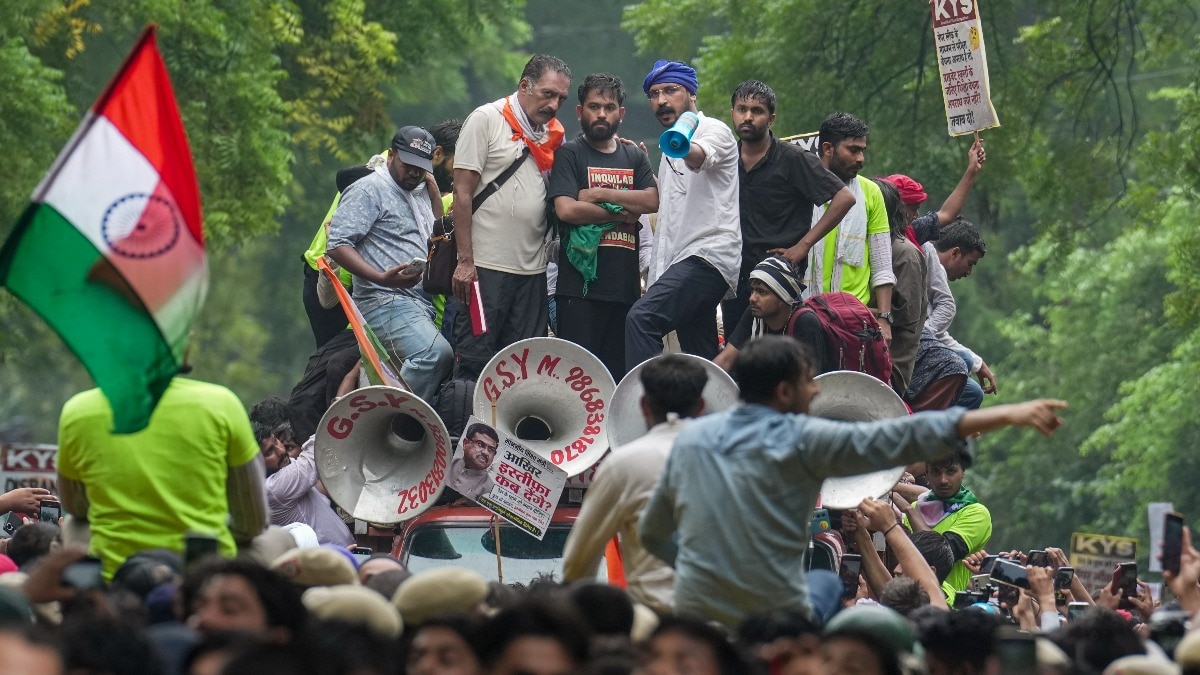
The central government tabled the Public Examinations (Prevention of Unfair Means) Amendment Bill, 2026 in Lok Sabha following nationwide NEET paper leak protests. Young NDA MPs Bansuri Swaraj and Tejasvi Surya are set to steer an intensive 8‑10 hour discussion.
Key Takeaways
- Government introduces anti‑paper leak amendment bill after NEET scandal
- Fast‑track courts in every state; investigations capped at two months
- Penalties raised to up to 10 years imprisonment and Rs 50 lakh fine
The Union has moved to table the Public Examinations (Prevention of Unfair Means) Amendment Bill, 2026 in the Lok Sabha on Monday, aiming to tighten penalties and streamline prosecutions after the massive NEET paper‑leak controversy.
The bill proposes the creation of fast‑track courts in each state dedicated solely to paper‑leak cases, mandating that investigations conclude within 60 days. Offenders could face up to ten years in prison and fines of Rs 50 lakh, while organized syndicates may be penalised up to Rs 10 crore.
Union Minister of State Jitendra Singh will introduce the legislation, and the NDA has deployed young parliamentarians Bansuri Swaraj and Tejasvi Surya to lead an expected eight‑to‑10‑hour debate. Additional speakers include TDP’s Lavu Sri Krishna Devarayalu, JD(U)’s Rajiv Ranjan Singh, Shiv Sena’s Shrikant Shinde, NCP’s Sunil Tatkare, Apna Dal’s Anupriya Patel, and LJP’s Arun Bharti.
Why This Matters
BozokMedia analysis shows that the passage of this bill could fundamentally reshape India’s exam security framework, deterring future leaks and restoring public confidence in the nation’s competitive examinations.
"A stringent legal response is essential to safeguard the integrity of our education system," says education policy expert Dr. Rajat Verma.
Frequently Asked Questions
Q1: Will the bill apply retroactively to ongoing paper‑leak cases?
A: Yes, the legislation explicitly provides for the transfer of all pending cases to the newly created fast‑track courts.
Q2: Does the bill cover private educational institutions as well?
A: The provisions are nationwide, encompassing both public and private institutions to ensure uniform enforcement.