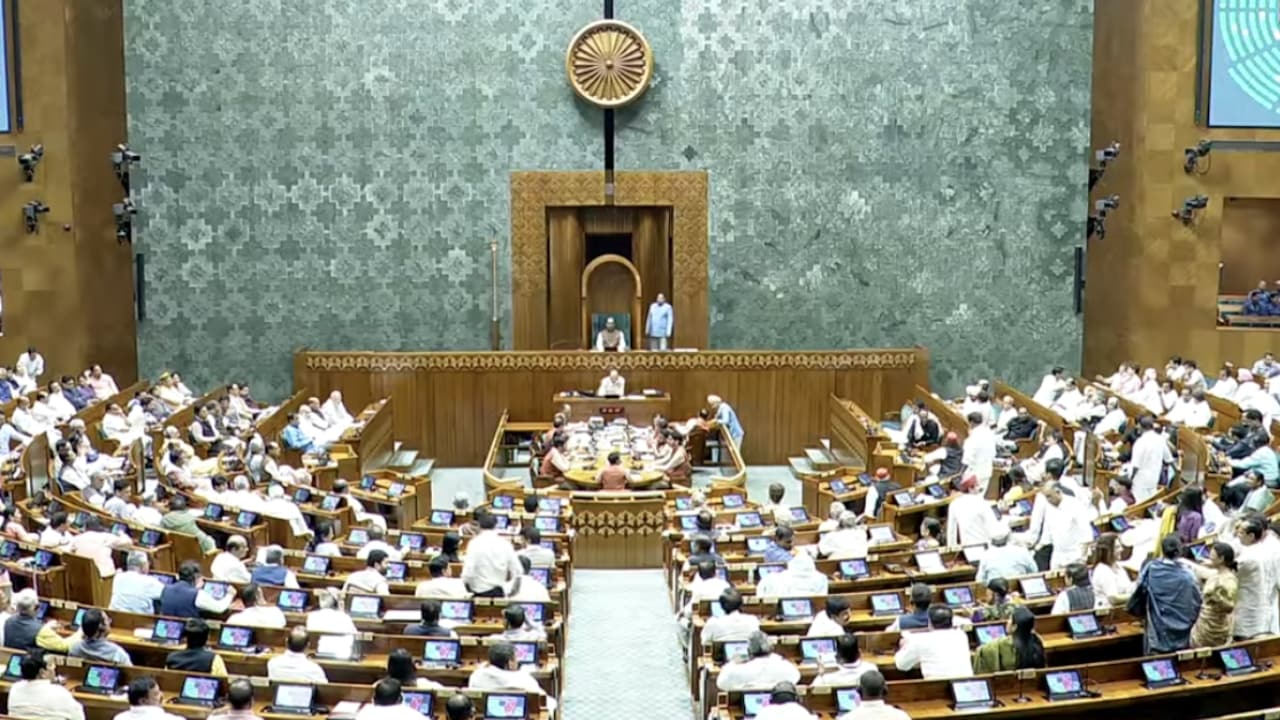
Parliamentary Affairs Minister Kiren Rijiju urged opposition parties to join the debate on the anti-paper leak bill without causing disruption, as the legislation was introduced today. Young MPs are spearheading the effort to curb document leaks in the legislature.
Key Takeaways
- Kiren Rijiju appealed to opposition parties to participate in the debate.
- The anti-paper leak bill will be introduced in Parliament today.
- Young MPs are leading the charge on this initiative.
Bill Overview
Today, Parliament saw the introduction of the anti-paper leak bill, aimed at preventing the unauthorized dissemination of government documents. The legislation specifically targets the protection of electoral data and other sensitive state information.
Minister's Appeal
Parliamentary Affairs Minister Kiren Rijiju called on all opposition parties to engage constructively in the discussion and refrain from causing any unrest. He stated, “Collaboration across the aisle is essential for the strength of our federal democracy.”
Young MPs at the Forefront
Young members of Parliament rallied behind the bill, publicly emphasizing its importance for transparency and accountability. Several first‑time legislators highlighted the measure as a critical step toward restoring public confidence.
Historical Background
Document leaks have plagued India for years, prompting previous legislative attempts. A similar bill in 2019 failed to pass due to partisan disagreements. This time, the combination of youthful vigor and firm governmental resolve raises hopes for successful enactment.
Why This Matters
BozokMedia analysis shows that strengthening document security not only curtails misinformation but also reinforces public trust in legislative processes, making the anti-paper leak bill a pivotal reform.
"Securing documents fortifies the roots of democracy," says political analyst Dr. Anita Sharma.
Frequently Asked Questions
Q1: What are the key provisions of the anti-paper leak bill?
A: The bill imposes stringent penalties for leaks, mandates digital tracking, and restricts unauthorized access to official information.
Q2: Why might opposition parties challenge the bill?
A: Some parties view it as a constraint on free speech and worry about a lack of transparency in its implementation.