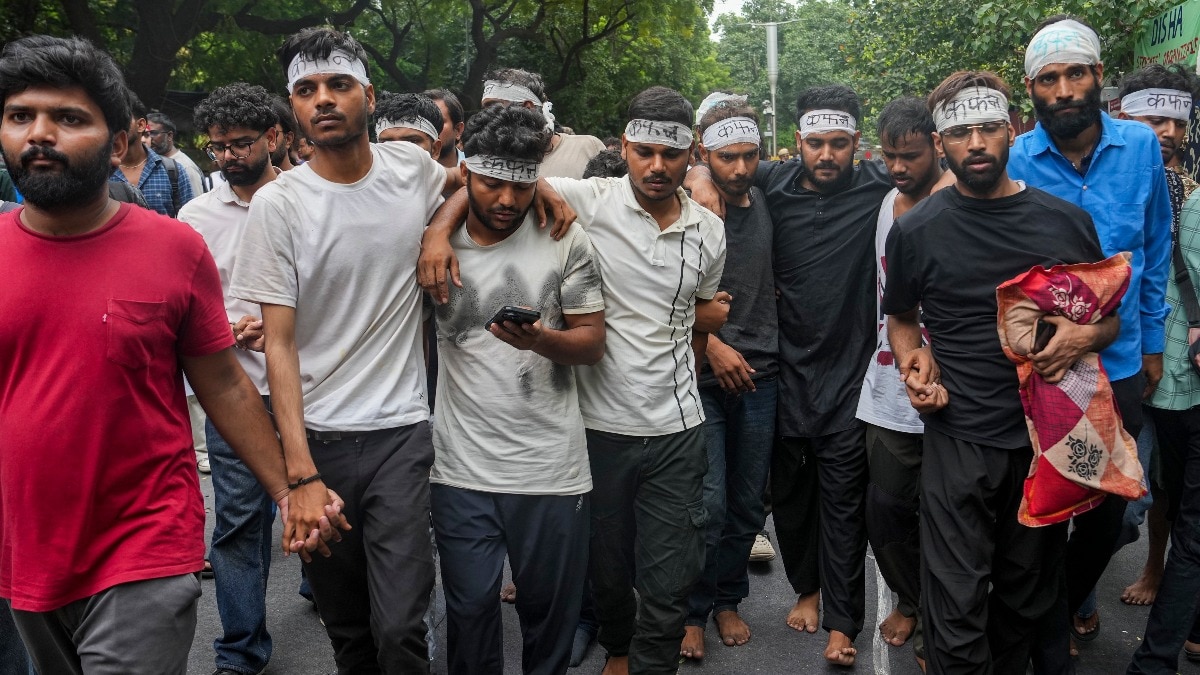
A recent study shows Gen Z struggles with basic digital hygiene, while CJP protests expose even greater shortcomings within the Indian government’s cyber safeguards, raising national security concerns.
Key Takeaways
- Gen Z demonstrates weak digital hygiene practices.
- CJP protests highlight severe gaps in government digital security.
- Failure to improve hygiene escalates cyber risk for the nation.
A fresh survey indicates that India’s youth, especially Gen Z, lag behind in essential digital hygiene habits such as password management, two‑factor authentication (2FA), and phishing email detection. This exposure increases the likelihood of data breaches and online fraud for millions of users.
Meanwhile, the Central Justice Public (CJP) protests have shone a spotlight on the government’s own lax digital safeguards. Reports of unsecured data storage, outdated encryption, and infrequent security patches across key ministries have surfaced, suggesting institutional negligence.
Historical Background
Digital hygiene became a policy focus after India’s 2010 National Cyber Security Strategy, yet grassroots awareness programs remained scarce. A 2022 digital literacy drive attempted to bridge the gap, but adoption rates among Gen Z remain modest.
| Metric | Gen Z (Avg. Score) | Government Agencies (Avg. Score) |
|---|---|---|
| Password Diversity | 58% | 42% |
| 2FA Adoption | 31% | 22% |
| Phishing Detection | 45% | 28% |
Why This Matters
BozokMedia analysis shows that the widening hygiene gap fuels a higher probability of large‑scale cyber attacks, threatening both economic stability and public trust. Addressing governmental lapses is as critical as educating the younger population.
"Bridging the digital hygiene divide is the first line of defense for national security," says cyber‑security expert Dr. Arnav Singh.
Frequently Asked Questions
Q1: How can Gen Z be better educated about digital hygiene?
A: Integrating cybersecurity modules into school curricula and offering interactive online training can drive meaningful change.
Q2: What steps should the government take immediately?
A: Enforce 2FA across all public portals, conduct regular security audits, and upgrade encryption standards to contemporary levels.