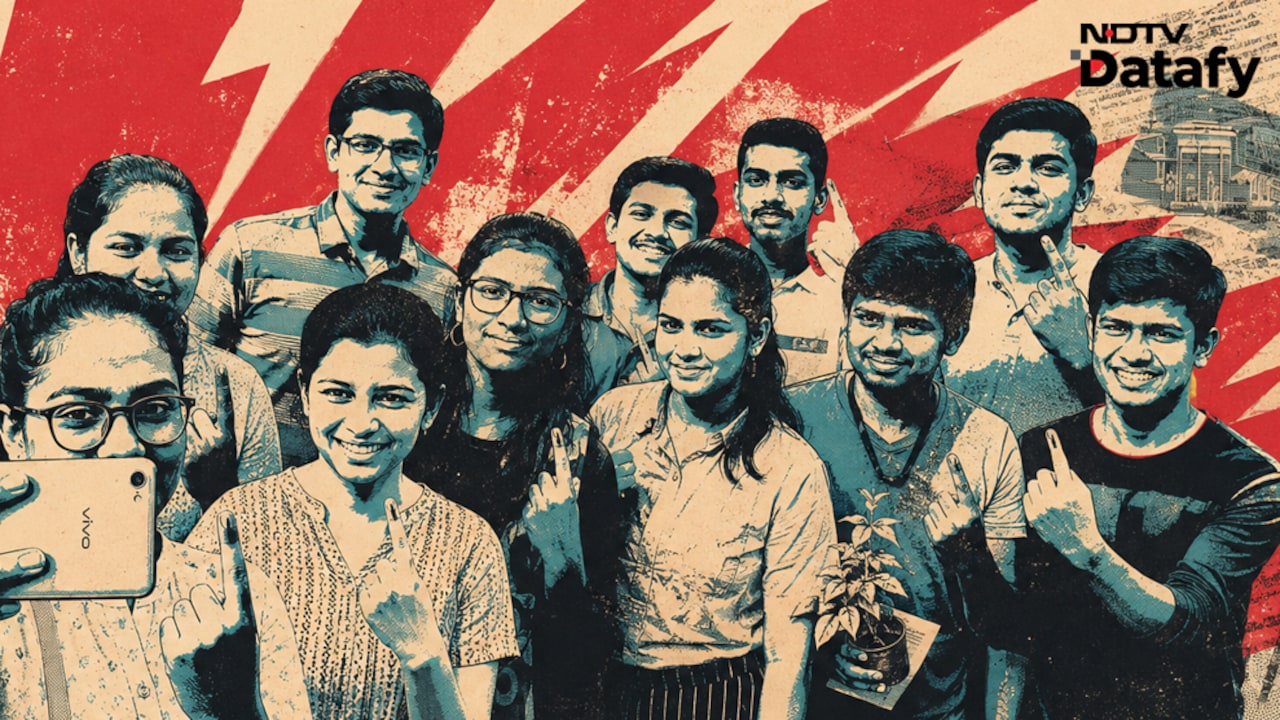
By the 2029 general election, Generation Z will outnumber older cohorts, becoming the biggest adult demographic in India. This shift will give them unprecedented electoral clout, forcing parties to reshape strategies.
Key Takeaways
- Gen Z will be the largest adult generation by 2029
- They are projected to comprise over 30% of the electorate
- Climate, jobs and digital rights are their top issues
India’s demographic landscape is undergoing a rapid transformation. Census and electoral rolls indicate that by 2029, Generation Z (born 1997‑2012) will add more than 45 million voters aged 18‑35, representing roughly 32 % of the adult electorate.
This massive influx of young voters challenges political parties to rethink their playbooks. Traditional concerns such as national security and secularism will share the stage with climate action, startup employment, and online privacy.
Historical Background
Over the past two decades, India’s population surged past 1.3 billion. Despite a dip in birth rates in the 1990s, the youth share remained robust. The 2000s saw accelerated urbanisation and internet adoption, making this cohort the most informed and mobilised ever.
Why This Matters
BozokMedia analysis shows that Gen Z’s voting patterns could directly shape policy, especially around digital economies and sustainable development goals.
"Gen Z’s electoral power is unprecedented not just in numbers but in the intensity of their issues," says Prof. Anita Verma, demography expert.
Frequently Asked Questions
Question 1: What are Gen Z’s primary voting concerns?
Answer: Environmental protection, digital rights, job creation, and education reform.
Question 2: How can parties attract this young bloc?
Answer: Through robust social‑media campaigns, youth‑focused policies, and transparent engagement.