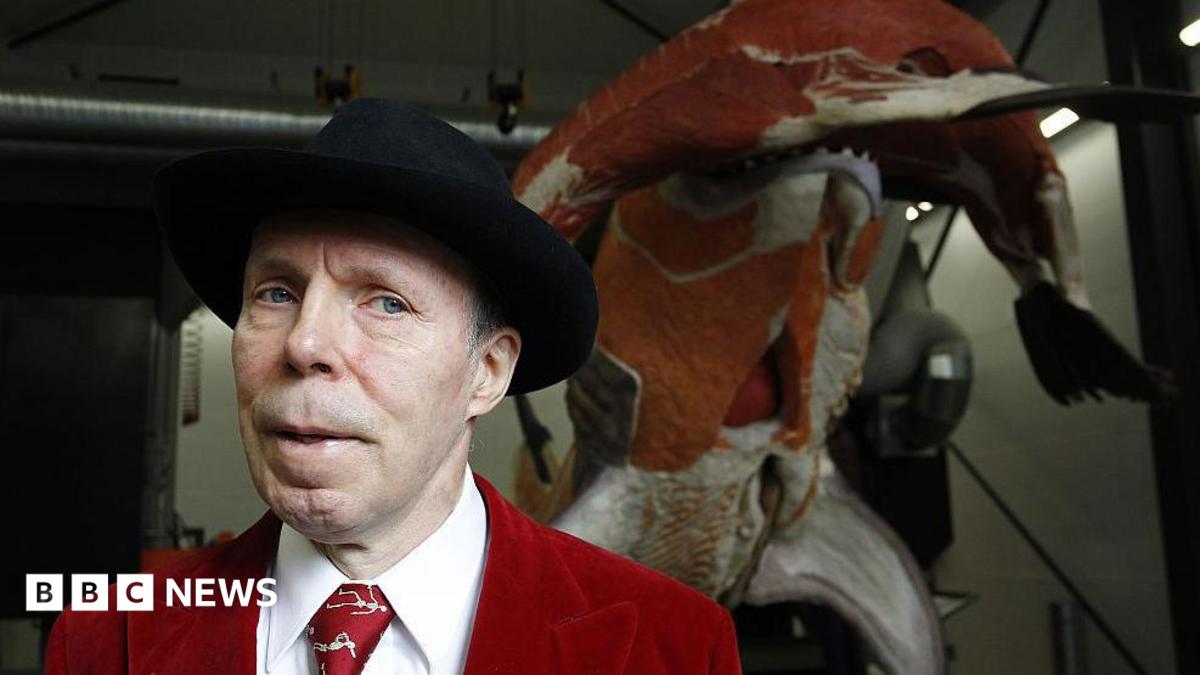
Renowned anatomist Gunther von Hagens, the mind behind plastination, has died at 81. His family pledges to honor his wish of having his own body plastinated for scientific display.
Key Takeaways
- Gunther von Hagens dies at 81
- Inventor of plastination technique
- Family will fulfill his final wish
Gunther von Hagens, often dubbed "Doctor Death," passed away on Friday, a day after being admitted to a clinic in Heidelberg with a brain haemorrhage, his family announced.
The German anatomist, who suffered from Parkinson's disease for nearly two decades, pioneered plastination—a process that replaces bodily fluids and fats with rubber and polymers, preserving specimens for education and research.
His “Body Worlds” exhibitions, launched in the late 1990s, have attracted over 58 million visitors worldwide, sparking both awe and controversy among religious groups and ethicists.
Historical Background
Born in Nazi‑occupied Poland during the final months of World War II, von Hagens grew up in communist East Germany before fleeing West in 1970. In the following years he refined plastination, turning cadavers into durable teaching aids for universities and research institutes.
Why This Matters
BozokMedia analysis shows that von Hagens' death marks a pivotal moment for the public understanding of anatomy, as his work bridged the gap between scientific research and popular culture.
"Plastination has democratized anatomy, turning what was once confined to lecture halls into a global visual experience," notes a leading anatomy professor.
Frequently Asked Questions
Q: Will von Hagens' own body be plastinated?
A: Yes, his family has confirmed they will honor his request to have his body preserved through plastination.
Q: What is the primary purpose of plastination?
A: The technique preserves anatomical structures indefinitely, making them valuable for education and scientific research.

