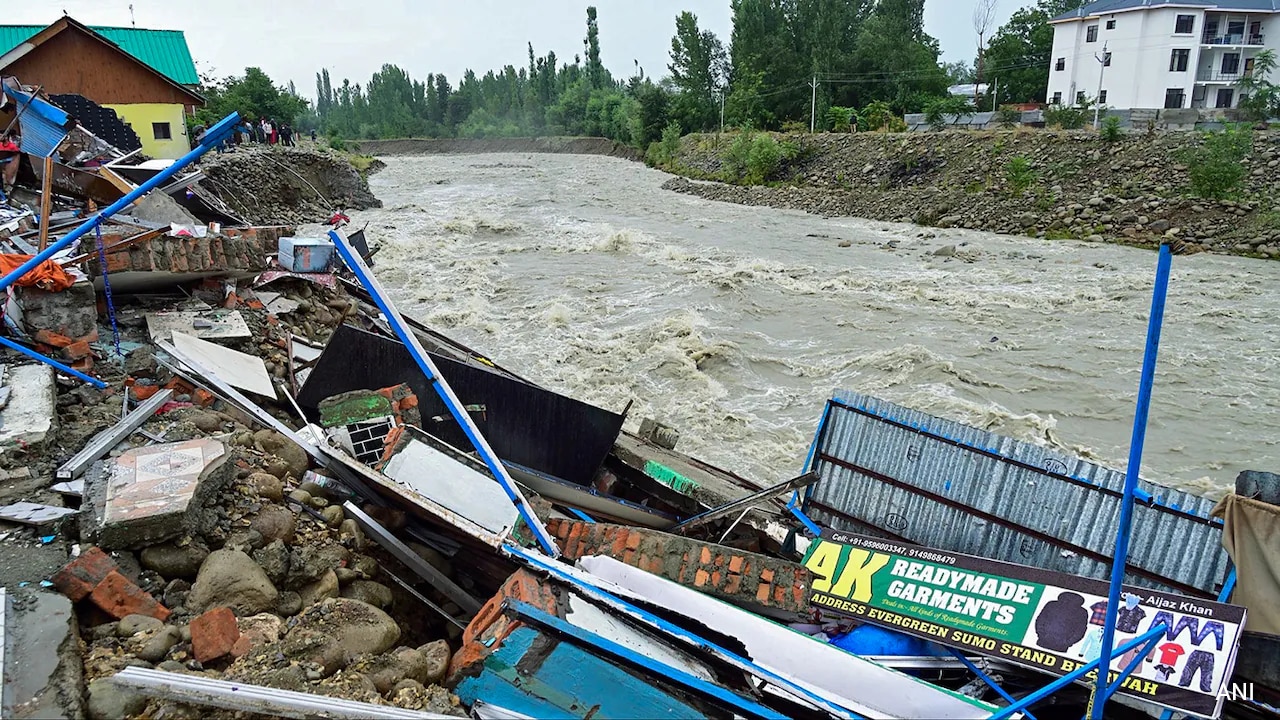
Heavy monsoon rains have triggered deadly flash floods and landslides across Jammu and Kashmir, leaving dozens injured and widespread damage. Authorities are scrambling to rescue victims and restore infrastructure.
Key Takeaways
- Monsoon rains exceed historic averages
- Flash floods claim lives and damage homes
- Rescue operations underway across districts
Several districts in Jammu and Kashmir have been hit by sudden flash floods and landslides this week after intense monsoon rainfall. Roads, bridges, and homes have suffered severe damage, with dozens injured and several fatalities reported.
Government and non‑government agencies have deployed emergency rescue teams, including the armed forces, the National Disaster Response Force (NDRF), and local volunteers. Relief supplies, food, and medical aid are being distributed to the affected areas.
The disaster ranks among the most severe climate‑related events the region has faced in recent decades. Rapid river swelling caused widespread inundation, while saturated slopes triggered landslides that buried villages.
Historical Background
Jammu and Kashmir experienced a catastrophic flood in 2014 that claimed over 500 lives and caused massive economic loss. Compared to that event, the 2024 floods have escalated faster due to higher rainfall intensity and accelerating climate change.
Why This Matters
BozokMedia analysis shows that recurring monsoon extremes are straining the region’s disaster‑response infrastructure, highlighting urgent needs for improved early‑warning systems and resilient infrastructure.
"Given the pace of climate change, we can expect such intense flash floods to become more frequent in the coming years," says climate expert Dr. Anjali Singh.
Frequently Asked Questions
Which areas are most affected by the floods?
The districts of Srinagar, Pulwama, the Kashmir Valley, and several parts of Ladakh have reported the highest impact.
What relief measures has the government implemented?
The government has mobilized the NDRF, Indian Army, and state disaster response teams to provide emergency shelters, food, clean water, and medical assistance.